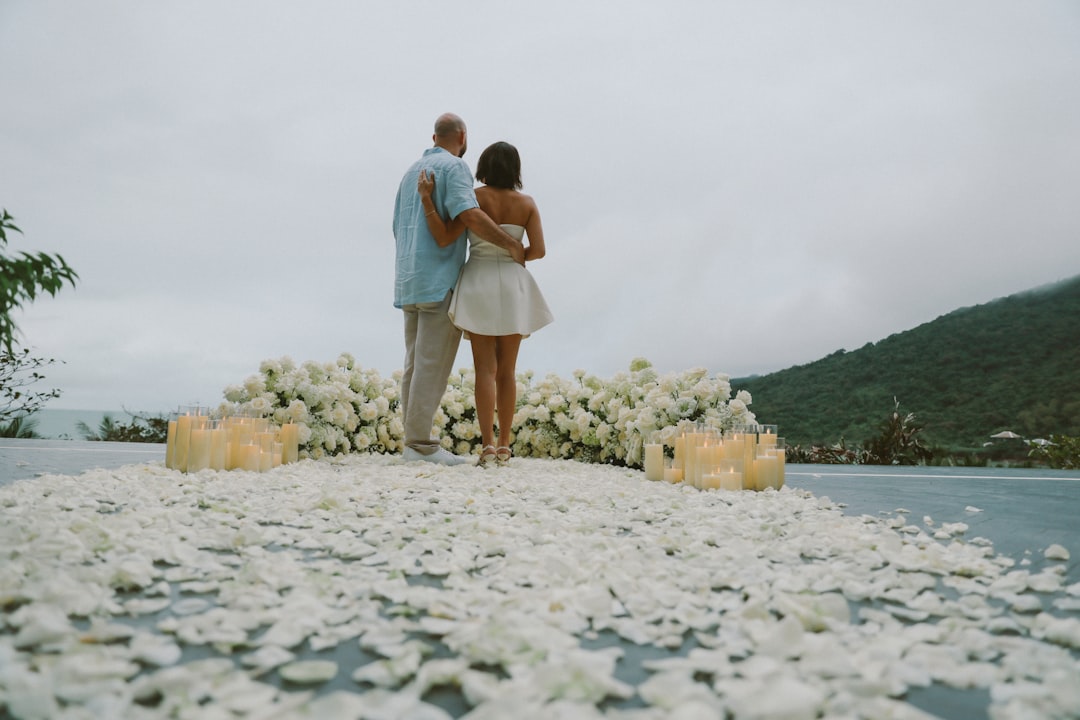
This article presents a framework for conceptualizing and executing memorable social events. The aim is not to provide a definitive, exhaustive list, but rather a set of principles and adaptable ideas that can be tailored to various circumstances, from intimate gatherings to larger celebrations. The success of an event is often measured by the lasting impressions it leaves on attendees, fostering connection and shared experience.
A successful event is built on a robust foundation, much like a well-constructed building requires a solid base. This foundation encompasses understanding the core purpose of the gathering, meticulously planning logistics, and ensuring that the attendee experience is paramount. Neglecting these fundamental aspects can lead to an event that, despite best intentions, falls short of its potential.
Defining the Event’s Purpose and Audience
Before any concrete plans are made, it is imperative to clarify the event’s underlying objective. Is it to celebrate a milestone, foster professional networking, facilitate community engagement, or simply provide an opportunity for social connection? The purpose will act as the compass guiding all subsequent decisions. Furthermore, a clear understanding of the target audience is crucial. Their demographics, interests, and expectations will heavily influence the choice of theme, activities, and overall atmosphere. For instance, an event aimed at industry professionals will differ significantly from a birthday party for a group of teenagers.
Identifying Key Objectives
What are the tangible outcomes desired from this event? This could range from strengthening team cohesion to launching a new product or raising funds for a cause. Clearly defining these objectives helps to measure the event’s success beyond mere attendance numbers.
Understanding Attendee Motivations
Why are people attending? Are they seeking entertainment, information, networking opportunities, or acknowledgment? Aligning event offerings with attendee motivations is a direct pathway to engagement and satisfaction.
Strategic Planning and Budget Management
Once the purpose and audience are defined, a comprehensive plan needs to be developed. This involves setting a realistic budget and allocating resources effectively. Overspending without clear returns can be detrimental, while underfunding can compromise the quality of the experience. Careful budgeting ensures that the event remains both viable and impactful.
Setting a Realistic Budget
A detailed budget should be created, outlining all potential expenses, including venue rental, catering, entertainment, decorations, marketing, and staffing. Contingency funds should also be incorporated to address unforeseen costs.
Resource Allocation and Prioritization
With the budget established, resources must be allocated strategically. Identify which elements are critical to achieving the event’s objectives and prioritize spending accordingly. A strong focus on attendee experience, for example, may warrant a larger investment in high-quality catering or immersive entertainment.
Venue Selection and Atmosphere Creation
The venue is more than just a physical space; it is an integral part of the event’s narrative. Its ambiance, capacity, and accessibility will significantly contribute to the attendee experience. Selecting a venue that aligns with the event’s theme and purpose is paramount for creating a cohesive and memorable atmosphere.
Matching Venue to Theme and Purpose
Consider how the venue’s architecture, decor, and existing features can enhance the chosen theme. A rustic barn might be ideal for a country-themed wedding, while a modern art gallery could suit a sophisticated corporate reception.
Creating an Immersive Ambiance
Beyond the physical space, consider elements like lighting, music, scent, and decor to craft an immersive atmosphere. These details, often overlooked, can transform a generic space into a captivating environment.
Themed Events: Crafting Cohesive Experiences
Themed events offer a powerful mechanism for imbuing an occasion with a distinct identity and fostering a sense of shared immersion. A well-executed theme acts as a narrative thread, weaving together various elements of the event – from decorations and activities to attire and catering – into a harmonious and engaging whole. This thematic coherence can elevate a simple gathering into an unforgettable journey.
Developing a Compelling Theme
The selection of a theme should be driven by the event’s purpose and audience. It should be something that resonates with attendees and provides a creative framework for planning. Themes can range from historical eras and pop culture phenomena to abstract concepts or personal interests. The key is to choose a theme that offers sufficient depth and breadth for creative interpretation.
Brainstorming Thematic Concepts
Engage in brainstorming sessions, considering themes that align with the event’s goals. For instance, a team-building event might benefit from a “survival challenge” theme, while a product launch could explore a “future innovation” theme.
Researching and Expanding on the Chosen Theme
Once a theme is selected, conduct thorough research to understand its nuances, visual aesthetics, and associated cultural references. This research will provide a rich source of inspiration for all event components.
Integrating the Theme into All Event Aspects
A truly immersive themed event sees the theme reflected in every facet of the experience. This extends beyond mere decorations to encompass the activities, entertainment, food, and even communication leading up to the event. Consistency is key to avoiding a disjointed or superficial feel.
Thematic Decor and Ambiance
The visual presentation is often the most immediate manifestation of the theme. This includes color palettes, props, signage, and lighting choices that evoke the chosen theme.
Lighting Design as a Thematic Element
Strategic use of lighting can dramatically alter the atmosphere of a space, reinforcing the theme. Consider colored lighting, spotlights, or even projection mapping to create specific moods.
Prop and Set Design for Immersion
Carefully chosen props and set pieces can transport attendees to another time or place, significantly enhancing the thematic immersion.
Thematic Activities and Entertainment
Activities and entertainment should be a natural extension of the theme. This could involve themed games, performances, workshops, or interactive experiences. For example, a “Roaring Twenties” theme might feature live jazz music and Charleston dance lessons.
Interactive Entertainment Options
Engaging attendees in theme-specific activities, such as a murder mystery game for a detective theme or a costume contest for a masquerade, can significantly boost participation.
Performances Aligned with the Theme
The type of entertainment, whether it’s a band, DJ, magician, or theatrical troupe, should complement the chosen theme.
Thematic Food and Beverage
Even the culinary offerings can be creatively adapted to a theme. This might involve naming dishes after characters or places associated with the theme, or presenting food in a visually thematic manner.
Creative Menu Naming and Presentation
Give dishes and drinks names that are relevant to the theme, and consider how they are presented to match.
Themed Signature Cocktails
Creating signature cocktails that reflect the theme’s colors, flavors, or origins can be a fun and memorable touch.
Considerations for Themed Event Success
When implementing a themed event, several practical considerations are paramount. Flexibility is often required, as not all guests may fully embrace the theme. Clear communication regarding dress codes or participation expectations is also vital.
Managing Guest Expectations and Participation
Clearly communicate any dress codes or expected levels of participation in advance. However, also ensure that there are options for guests who may not wish to fully immerse themselves in the theme.
Balancing Authenticity with Accessibility
Strive for authenticity in the theme, but do not let it become so obscure or demanding that it alienates attendees. The goal is enjoyment, not an academic exercise.
Experiential Events: Prioritizing Engagement and Interaction
Experiential events move beyond passive observation, actively involving attendees in the unfolding of the occasion. The focus shifts from simply providing entertainment to creating opportunities for genuine connection, participation, and memorable moments. These events are like a carefully orchestrated play, where the audience is invited onto the stage.
Designing Interactive Elements
The success of an experiential event hinges on the thoughtful integration of interactive components. These elements should be designed to encourage participation, foster curiosity, and create opportunities for spontaneous engagement. The aim is to make attendees feel like active participants rather than passive spectators.
Hands-On Workshops and Activities
Offering workshops where attendees can learn a new skill, create something, or engage in a collaborative activity can be highly rewarding. This could range from a cocktail-making class to a collaborative art project.
Skill-Based Workshops
Teaching a practical skill, such as pottery, calligraphy, or even a simple craft, provides a tangible takeaway and a sense of accomplishment.
Collaborative Art or Project Spaces
Setting up areas where guests can contribute to a collective piece of art, a brainstorm board, or a shared storytelling activity encourages teamwork and a sense of ownership.
Immersive Games and Challenges
Games and challenges, when well-designed, can inject energy and excitement into an event. These can be team-based or individual, and should be tailored to the audience and the event’s overall theme.
Scavenger Hunts and Puzzle-Based Games
These types of games encourage exploration of the venue and interaction among participants as they work towards a common goal.
Role-Playing Scenarios
For specific themes, introducing elements of role-playing can deepen immersion and encourage creative interaction among guests.
Sensory Engagement Opportunities
Appealing to the senses can create a more profound and lasting impression. This can involve unique food and drink experiences, scent diffusion, tactile installations, or curated soundscapes.
Unique Culinary Demonstrations or Tastings
Beyond standard catering, consider interactive food stations, live cooking demonstrations, or guided tastings of specialized products.
Tactile and Olfactory Experiences
Incorporating elements that engage the sense of touch and smell, such as a perfumery station or a scent-based installation, can be highly evocative.
Fostering Social Interaction and Connection
Experiential event design should actively facilitate connections between attendees. This can be achieved through strategically designed spaces, icebreaker activities, and opportunities for shared experiences. The goal is to transform the event into a catalyst for new relationships and strengthened bonds.
Facilitating Networking Opportunities
Design the event layout and activities to encourage natural mingling and conversation. This could involve setting up comfortable seating areas, creating common interest zones, or even incorporating structured networking sessions.
Casual Mingling Zones
Provide areas with comfortable seating and subtle ambient music that encourages relaxed conversation.
Structured Networking Activities
Consider activities like speed networking or themed discussion groups to guide initial interactions.
Moments that evoke shared emotion, whether it’s laughter, awe, or quiet reflection, can leave a lasting impact. These could be planned performances, surprise elements, or opportunities for collective participation.
Surprise Performances or Special Guest Appearances
An unexpected element of entertainment or a notable guest can create a buzz and provide a talking point.
Moments of Collective Engagement
Gathering attendees for a shared activity, such as a toast, a group photograph, or a moment of silence for a cause, can foster a sense of unity.
Measuring the Impact of Experiential Events
The success of experiential events can be gauged not only by immediate attendee feedback but also by longer-term impact, such as increased brand loyalty, improved team dynamics, or strengthened community ties.
Gathering Feedback on Engagement Levels
Utilize surveys, informal conversations, or observation to understand how engaged attendees were by the interactive elements.
Post-Event Impact Assessment
Consider how the event has influenced relationships, knowledge, or perceptions amongst attendees over time.
Innovative Entertainment and Activities: Beyond the Ordinary
To create a truly unforgettable event, entertainment and activities must transcend the predictable. This requires a willingness to explore novel concepts, leverage emerging technologies, and curate experiences that surprise and delight attendees. Innovative elements act as the spark that ignites memorable moments.
Exploring Emerging Technologies in Entertainment
Technology offers a powerful toolkit for creating novel and engaging experiences. Virtual reality, augmented reality, and interactive digital installations can transform passive observation into active participation.
Virtual and Augmented Reality Experiences
These technologies can transport attendees to different worlds, overlay digital information onto the physical environment, or create interactive games that are both immersive and engaging.
VR Simulators and Interactive Games
Offering VR experiences that allow guests to try a new sport, explore a historical site, or play a unique game can be a major draw.
AR Installations for Enhanced Information or Engagement
Using AR to provide additional information about exhibits, unlock hidden content, or create interactive scavenger hunts can enrich the attendee experience.
Interactive Digital Art and Installations
Digital art that responds to movement, sound, or audience input can create dynamic and captivating focal points within an event space.
Projection Mapping and Light Shows
Transforming architectural surfaces with dynamic visuals can be a breathtaking and memorable form of entertainment.
Interactive LED Walls or Displays
Inviting attendees to contribute to or play with digital displays can foster a sense of shared creation and fun.
Curating Unique Performance Art and Live Experiences
Beyond traditional musical performances, consider the vast spectrum of live art forms that can captivate an audience. This includes experimental theater, circus arts, spoken word performances, and interactive street theater.
Beyond Traditional Musical Acts
Think about the atmosphere and narrative you want to create, and select performers who can deliver that. This could be a string quartet playing contemporary music, a jazz ensemble with improvisational elements, or spoken word poets sharing their craft.
Bespoke Theatrical Performances
Commissioning short, site-specific theatrical pieces that engage with the venue or theme can create a unique and memorable experience.
Traveling Performers and Street Art Installations
Integrating performers who can move through the event space, interacting with guests, or creating temporary visual art can add an element of surprise and dynamism.
Unconventional Social Activities
The definition of “social activity” is broad. Consider activities that encourage unique forms of interaction, skill-sharing, or creative expression. This could range from collaborative storytelling sessions to retro arcade game tournaments or even guided stargazing.
Collaborative Art Projects and Creative Stations
Setting up stations where attendees can contribute to a larger piece of art, such as a mural or a community sculpture, fosters a sense of shared purpose.
DIY Craft Stations with a Twist
Offer craft activities that are slightly unusual or have a modern aesthetic, encouraging guests to experiment.
Collaborative Storytelling or Poetry Jam Sessions
Provide prompts and a welcoming atmosphere for guests to share their creative writing or oral storytelling abilities.
Themed Game Nights and Competitions
Organize game nights that go beyond board games, incorporating video game tournaments, trivia competitions with unique categories, or even outdoor lawn games.
Retro Arcade or Console Gaming Zones
Setting up classic arcade machines or popular gaming consoles can evoke nostalgia and friendly competition.
Themed Trivia or Quiz Challenges
Create trivia rounds that are tailored to the event’s theme or audience, making it more engaging and relevant.
Leveraging Local Talent and Culture
Incorporating local artists, musicians, chefs, or craftspeople can add an authentic and unique dimension to an event, grounding it in its specific geographic and cultural context.
Showcasing Local Musicians and Artists
Partnering with local talent provides an opportunity to support the community and offer attendees a taste of regional culture.
Featuring Local Culinary Specialties or Craftsmanship
Highlighting local food vendors, breweries, or artisans can enhance the event’s authenticity and provide unique offerings.
Personalization and Thoughtful Details: The Hallmark of Memory
| Event Idea | Estimated Attendance | Duration | Venue Type | Cost Range | Ideal Season | Key Activity |
|---|---|---|---|---|---|---|
| Outdoor Picnic | 20-50 | 3-4 hours | Park or Garden | Low | Spring/Summer | Food sharing and games |
| Game Night | 10-20 | 2-3 hours | Indoor (Home or Community Center) | Low | Year-round | Board and card games |
| Charity Fundraiser | 50-200 | 4-6 hours | Banquet Hall or Outdoor Venue | Medium | Fall | Auctions and speeches |
| Cooking Class | 10-15 | 2-3 hours | Kitchen Studio or Home | Medium | Year-round | Hands-on cooking |
| Movie Night | 15-40 | 2-3 hours | Indoor or Outdoor | Low | Year-round | Film screening |
| Networking Mixer | 30-100 | 2-4 hours | Bar or Conference Room | Medium | Year-round | Socializing and introductions |
| Art Workshop | 10-25 | 2-3 hours | Studio or Community Center | Medium | Year-round | Painting or crafting |
| Theme Party | 20-60 | 4-5 hours | Home or Event Space | Medium | Year-round | Costumes and themed activities |
In the landscape of social events, personalization and meticulous attention to detail are the elements that transform a pleasant experience into a truly unforgettable one. These are the small but significant touches that demonstrate care and consideration for each individual attendee, creating a sense of bespoke attention.
Tailoring Experiences to Individual Attendees
Moving beyond a one-size-fits-all approach, personalization acknowledges that guests appreciate recognition and individual consideration. This can manifest in various ways, from customized welcomes to activity offerings that cater to diverse interests.
Customized Welcome and Greet
A personalized welcome sets a positive tone. This could involve using guests’ names, having a dedicated greeter who is aware of their specific needs, or providing a small, personalized welcome gift.
Personalized Digital or Physical Invitations
Invitations that are tailored to the individual, perhaps with a personal message or a nod to their specific connection to the event, create an immediate sense of importance.
Individualized Welcome Notes or Gifts
A small, thoughtful gesture upon arrival, such as a personalized note or a small keepsake relevant to their interests, can make a significant impact.
Activity and Engagement Options Based on Preferences
Offering a variety of activities and allowing attendees to choose those that best align with their interests ensures higher engagement and satisfaction. This requires understanding the audience’s diverse tastes.
Interest-Based Breakout Sessions or Workshops
Allowing attendees to select sessions that cater to their specific hobbies or professional interests fosters deeper engagement.
“Choose Your Own Adventure” Itinerary Options
For multi-day events or those with a broad range of offerings, providing choice in how attendees structure their experience can be highly appealing.
The Power of Small, Thoughtful Gestures
It is often the seemingly minor details that leave the most enduring impressions. These are the “aha!” moments, where an unexpected comfort, a perfectly timed helpfulness, or a delightful surprise elevates the overall experience. These are the pebbles that, when artfully placed, create a beautiful mosaic.
Anticipating Needs and Providing Comforts
Think about what might make guests more comfortable or alleviate potential minor stresses. This could include readily available water stations, clear signage, accessible charging points, or comfortable seating options.
Adequate and Accessible Amenities
Ensuring that restrooms are clean and accessible, that there are places to rest, and that practical needs are met without fuss is foundational.
Thoughtful “Convenience” Stations
Setting up stations with items like hand sanitizer, extra phone chargers, or even a small selection of toiletries can demonstrate foresight and care.
The Element of Surprise and Delight
Injecting unexpected positive experiences can create lasting memories. This could be a surprise musical performance, an impromptu engaging speaker, or a hidden interactive element.
Spontaneous Entertainment or Activities
A surprise flash mob, an unannounced guest speaker, or a pop-up art demonstration can create memorable moments.
Unexpected Perks or Resources
Offering a complimentary service, a beautifully curated favor, or a particularly engaging piece of unexpected interactive art can delight attendees.
Capturing and Preserving Memories
The experience does not end when the event concludes; the memories created are a valuable takeaway. Providing avenues for attendees to capture and cherish these moments increases the event’s longevity.
Professional Photography and Videography with a Candid Approach
High-quality visual documentation is essential, but focus on capturing genuine interactions and candid moments rather than staged poses.
Photo Booths with Thematic Props
A fun and interactive way for guests to create their own memorable keepsakes.
Candid Photography and Videography Capturing Interactions
Ensuring photographers are trained to capture genuine moments of connection and enjoyment.
Encouraging User-Generated Content
Empowering attendees to share their own experiences and perspectives amplifies the event’s reach and authenticates the memories.
Encouraging guests to share their experiences online using a specific hashtag creates a collective digital album.
Facilitating Content Sharing Platforms
Providing easy ways for guests to share photos and videos with each other and the event organizers.
Post-Event Engagement and Follow-Up: Extending the Impression
The conclusion of an event is not the final act in creating a lasting impression. Strategic post-event engagement can reinforce the positive memories, foster continued connection, and even lay the groundwork for future interactions. This phase is akin to tending a garden after the harvest, ensuring continued growth.
Expressing Gratitude and Acknowledgment
A sincere expression of thanks is fundamental. This demonstrates respect for attendees’ time and participation, reinforcing the positive sentiment associated with the event.
Timely and Personalized Thank You Messages
Sending thank-you notes or emails promptly after the event, ideally personalized, shows that their attendance was valued.
Digital or Physical Thank You Notes
A well-crafted thank-you message, whether sent digitally or physically, reinforces appreciation.
Acknowledging Specific Contributions (if applicable)
For events with specific participants or contributors, a direct acknowledgment of their role is important.
Sharing Event Highlights and Memories
Providing attendees with a recap of the event – through photos, videos, or summaries – allows them to relive the positive experiences and share them with others.
Curating and Sharing Event Photos and Videos
Professionally captured memories, or even a curated selection of high-quality user-generated content, can significantly extend the event’s impact.
Creating Highlight Reels or Photo Montages
A dynamic visual recap can reignite the excitement of the event.
Sharing Galleries of Event Photographs
Providing easy access to a collection of event photos allows attendees to find themselves and their friends.
Summarizing Key Takeaways or Outcomes
For events with an informational or professional focus, a concise summary of key insights or achievements reinforces the event’s value.
Recap of Presentations or Key Discussions
For conferences or workshops, a summary of the most important information can be a valuable resource.
Highlighting Event Achievements or Impact
For charity events or community gatherings, reiterating the positive impact achieved can be motivating.
Fostering Continued Connection and Community
The goal is often not a singular, isolated event, but the creation of ongoing relationships or a sense of community. Post-event engagement should aim to nurture these connections.
Creating Platforms for Ongoing Discussion or Networking
Establishing online groups, forums, or social media channels can allow attendees to stay connected and continue conversations initiated at the event.
Dedicated Online Groups or Forums
Creating a space where attendees can continue to interact, share information, and build relationships.
Encouraging Follow-Up Interactions
Prompting attendees to connect with each other for specific purposes discussed at the event.
Planning Future Events or Initiatives
If the event was a precursor to further engagement, clear communication about next steps or future opportunities is essential.
Announcing Future Events or Projects
Keeping attendees informed about upcoming opportunities to engage further.
Providing Opportunities for Continued Involvement
Inviting attendees to participate in ongoing initiatives or committees related to the event’s theme.
Gathering Feedback for Future Improvement
Every event, successful or otherwise, offers valuable learning opportunities. Soliciting feedback from attendees provides insights that can inform and enhance future planning.
Conducting Post-Event Surveys
Structured surveys allow for systematic collection of attendee opinions on various aspects of the event.
Open-Ended Questions for Detailed Insights
Allowing for qualitative feedback to understand the nuances of attendee experiences.
Rating Scales for Quantifiable Data
Using rating scales to measure satisfaction with specific elements of the event.
Analyzing Feedback for Actionable Insights
The true value of feedback lies in its analysis and subsequent implementation. Identifying trends and recurring suggestions allows for targeted improvements.
Identifying Strengths and Areas for Development
Pinpointing what worked well and where improvements can be made in future events.
Incorporating Suggestions into Future Event Planning
Ensuring that attendee feedback directly influences the design and execution of subsequent gatherings.
FAQs
Popular social events include parties, networking mixers, community gatherings, fundraisers, and themed celebrations such as holiday parties or cultural festivals.
Consider the interests, age range, and preferences of your attendees, the occasion, budget, and venue availability to select an event idea that will be enjoyable and appropriate for your group.
Budget-friendly ideas include potluck dinners, game nights, outdoor picnics, movie screenings, and DIY craft parties, which require minimal expenses and encourage participation.
Plan interactive activities, provide diverse entertainment options, encourage mingling through icebreakers, and consider dietary or accessibility needs to make the event inclusive and enjoyable.
Important factors include setting a clear purpose, selecting a suitable venue, managing invitations and RSVPs, arranging food and beverages, organizing activities, and ensuring safety and comfort for all guests.