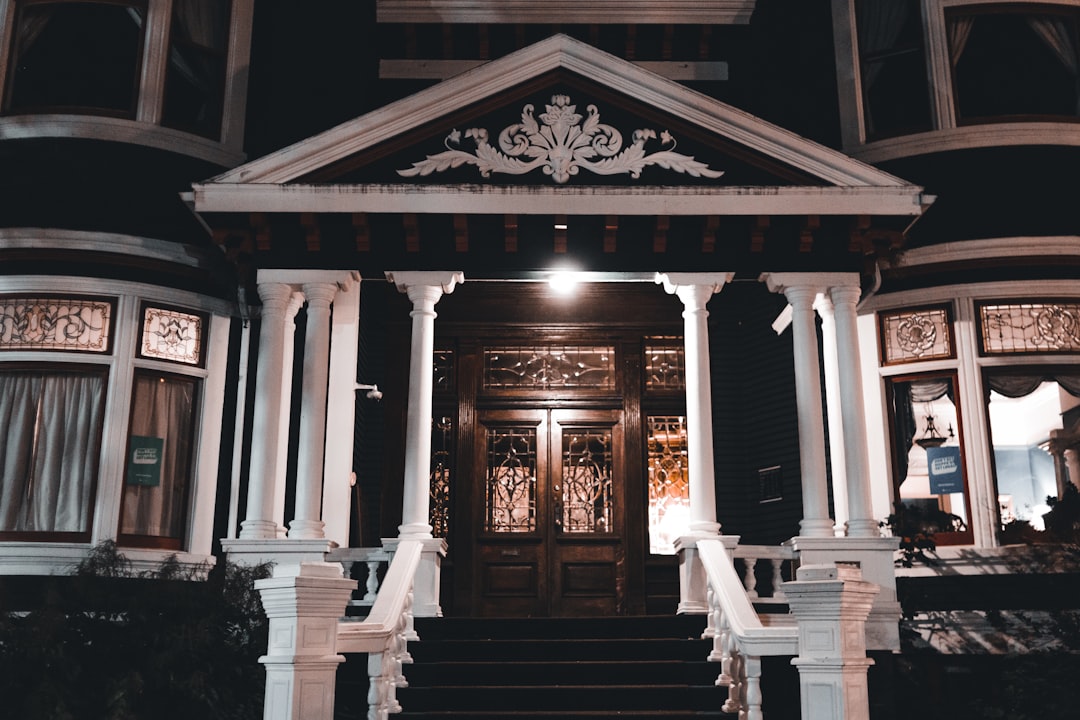
Making a grand entrance isn’t just about looking good; it’s about creating an experience. Whether you’re hosting a wedding, a corporate gala, a significant birthday bash, or even a more intimate gathering, the way guests arrive sets the tone for the entire event. It’s that first impression, that initial “wow” moment, that lingers long after the last guest departs. But what exactly makes an entrance “grand”? It’s about thoughtful design, a touch of surprise, and an understanding of your event’s purpose. This guide explores practical and impactful ways to elevate your event’s entrance, transforming it from a simple doorway into a memorable prelude.
Setting the Stage: The Power of First Impressions
Think about your favorite movie scenes. Often, the most memorable moments aren’t just the dialogue; they’re the visual introductions, the build-up of atmosphere. Your event’s entrance is your real-life cinematic opening. A well-executed entrance doesn’t just welcome people; it signals what they can expect – elegance, fun, intrigue, or warmth. It’s an investment in the overall guest experience, guiding them from the outside world into the carefully curated environment you’ve created.
The Psychology of Arrival
When guests arrive, they’re often a mix of excited, perhaps a little tired from travel, and observing everything around them. A strong, positive visual cue at the entrance can immediately put them at ease and build anticipation. It’s about managing their expectations and subtly communicating the theme and mood of your celebration.
Beyond the Door: The Extended Entrance Zone
The “grand entrance” rarely begins at the actual door. It starts from the moment guests approach your venue. This includes the driveway, pathways, any outdoor areas, and then the immediate vicinity of the entrance itself. Thinking holistically about this transition zone is key to creating a cohesive and impressive arrival.
Architectural and Structural Enhancements
Sometimes, the most impactful entrances involve leveraging or enhancing the existing structure of your venue. This isn’t always about major renovations; often, clever additions can make a significant difference.
Creating Defined Pathways
Clearly delineating the path guests should take from their arrival point to the entrance is crucial. This can be done with lighting, temporary structures, or even strategically placed greenery.
Illuminated Walkways
- String Lights and Lanterns: Draping cafes lights or hanging lanterns along a pathway creates a magical and inviting glow, especially for evening events. They provide gentle illumination and a sense of occasion.
- Uplighting: Placing uplights at the base of trees, walls, or architectural features along the approach can create dramatic shadows and highlight the venue’s best aspects.
- Directional Spotlights: Use spotlights to guide guests towards the main entrance from parking areas or drop-off points.
Natural and Greenery Borders
- Potted Plants and Topiary: Arranging potted plants, hedges, or topiaries along the sides of a walkway frames the entrance beautifully and adds a touch of natural elegance.
- Floral Garlands: For more formal or romantic events, floral garlands draped along railings or fences leading to the entrance can be stunning.
Grand Portals and Archways
The entrance itself should be a focal point. Creating a distinct portal or archway clearly signals the transition into the event space.
Custom-Built Arches
- Floral and Foliage Arches: A classic choice, these can be elaborate creations adorned with fresh flowers, greenery, and even fruits or other thematic elements.
- Fabric Draped Arches: Swaths of elegant fabric, such as silk or chiffon, draped over a frame can create a soft, flowing, and sophisticated entryway, especially for weddings or formal dances.
- Geometric or Structural Arches: Modern events might opt for more contemporary architectural arches made from metal, wood, or even illuminated acrylic.
Incorporating Venue Features
- Utilizing Existing Porticos or Facades: If your venue has an existing portico or ornate facade, focus on enhancing it with lighting and subtle embellishments rather than obscuring it.
- Temporary Gazebos or Tents: For outdoor events, a temporary structure like a gazebo or a small, elegant tent can serve as a welcoming shelter and a clear entrance marker.
Lighting as a Mood Setter
Lighting is perhaps the most powerful tool for transforming an entrance. It can create drama, warmth, intimacy, and excitement.
Strategic Illumination for Impact
The goal here is to guide, highlight, and create an atmosphere. Think about where the most important visual elements are and how light can draw attention to them.
Focusing on Architectural Details
- Uplighting Walls and Columns: This technique brings out the texture and grandeur of the building’s facade.
- Backlighting Features: Highlighting elements like sculptures, fountains, or ornate doorways from behind can create a dramatic silhouette.
Creating Ambiance with Color and Intensity
- Warm Tones: For a cozy and inviting feel, warm white or golden light is ideal.
- Themed Colors: For corporate events or themed parties, colored lighting can instantly communicate the event’s purpose or theme. Think blues for a futuristic event or reds for a dramatic gala.
- Dimming and Brightness Control: Having the ability to adjust the intensity of the light is crucial. A brighter, more impactful light near the entrance can transition to softer, more ambient lighting as guests move further in.
Illuminating the Path and Welcome Area
This is where guests get their first direct interaction with your event’s lighting design.
Spotlighting Key Elements
- Entrance Number or Name: A well-lit sign with the event’s name or a specific number can be a welcoming touch.
- Welcome Mats or Signage: Ensure any directional signage or welcome mats are clearly visible and illuminated.
Pathway Illumination Revisited
- Lighting Along Steps and Ramps: Safety is paramount. Ensure all pathways and any steps or ramps are adequately lit to prevent accidents.
- Floor Lighting: In some cases, small, embedded floor lights can create a sophisticated and modern entrance.
Sensory Experiences Beyond Sight
An entrance isn’t just about what people see. Engaging other senses can create a truly immersive experience.
Auditory Welcome
The right sound can set the mood immediately. Avoid jarring or overly loud noises that might surprise or overwhelm guests.
Music Choices
- Live Performers: A solo musician (pianist, violinist, guitarist) or a small ensemble playing appropriate music as guests arrive can be incredibly elegant.
- Curated Playlists: If you’re using a recorded soundtrack, ensure the music is at a pleasant volume, setting the desired tone without being intrusive. Think sophisticated jazz for a formal event, light classical for a wedding, or upbeat but not overwhelming electronic music for a trendy party.
Ambient Sounds
- Water Features: The gentle sound of a fountain can be very calming and luxurious.
- Subtle Soundscapes: Consider incorporating natural sounds relevant to your theme, if appropriate, but keep them very subtle.
Olfactory Allure
The sense of smell is strongly linked to memory. A pleasant aroma can leave a lasting positive impression.
Scented Elements
- Fresh Florals: The natural fragrance of a floral arrangement is one of the most classic and effective ways to add a pleasing scent.
- Subtle Diffusers: Use high-quality, subtle diffusers with scents like lavender, citrus, or a light woody aroma. Avoid anything too strong or overpowering.
Tactile Touches
The textures guests encounter as they arrive can also contribute to the overall experience.
Material Choices
- Quality Doormats: Even small details like a well-made doormat can signal attention to detail.
- Textured Wall Coverings: If you’re using temporary elements, consider materials with interesting textures.
Incorporating Thematic Elements and Decor
The entrance is your first opportunity to visually communicate the theme of your event. This is where creativity can really shine.
Visual Storytelling
Your entrance decor should hint at what’s to come inside.
Thematic Archways and Backdrops
- Movie Premiere Theme: Red carpet, velvet ropes, paparazzi props, and a branded backdrop for photos.
- Tropical Luau: Bamboo archways, palm fronds, floral leis for guests, and maybe even sand accents.
- Gatsby-Inspired: Art Deco motifs, gold accents, feathers, and vintage signage.
Statues and Sculptures
- Themed Sculptures: A large, relevant sculpture can be a striking centerpiece.
- Busts or Classical Figures: For a more traditional or historical theme.
Interactive Elements
Engaging guests immediately can break the ice and create excitement.
Photo Opportunities
- Dedicated Photo Booth Area: Set up a backdrop with props related to your theme right at the entrance.
- Welcome Signs with QR Codes: Link to an event hashtag, guest book, or schedule.
“Gifts” or Favors for Arrival
- Leis or Boutonnieres: Distribute these as guests arrive for themed events.
- Welcome Drinks: Offer a signature cocktail or mocktail station at the entrance.
Practicality Meets Grandeur: Flow and Logistics
A grand entrance should never come at the expense of functionality. Guests need to enter smoothly and feel welcomed, not confused or obstructed.
Managing Guest Flow
Consider the volume of guests you expect and design the entrance accordingly.
Clear Signage and Direction
- Visible Entrance Arrows: Clearly indicate the direction guests should go.
- Staff or Greeters: Having friendly faces to guide guests is invaluable, especially for larger events.
Multiple Entry Points
- If Possible: For very large events, consider if multiple entrances are feasible to avoid bottlenecks.
Accessibility Considerations
Ensure your grand entrance is welcoming and navigable for all guests.
Ramps and Level Access
- Wheelchair Access: Always ensure there are ramps or level pathways for guests who use wheelchairs or have mobility challenges.
Clearly Marked Accessible Routes
- Designate Accessible pathways: Make sure these are well-lit and clearly identifiable.
Seating and Waiting Areas
If there’s likely to be any waiting time, provide comfortable options.
Small Seating Nooks
- Elegant Benches or Chairs: Placed subtly along the approach or near the entrance can offer respite.
Covered Waiting Areas
- Especially for Outdoor Events: Provide shelter from sun or rain while guests wait to enter.
The Human Element: Greeters and Staff
The people who welcome your guests are as much a part of the entrance experience as any decoration.
Professional and Welcoming Staff
Your greeters are the first point of contact. Their demeanor can significantly shape guest perception.
Uniforms and Attire
- Themed or Elegant,”: Ensure staff attire complements the event’s theme and level of formality.
Training and Briefing
- Knowledgeable About the Event: Staff should be able to answer basic questions about the schedule or venue.
- Friendly and Attentive: Their primary role is to make guests feel comfortable and valued.
Distributing Welcome Items
This is another opportunity to interact with guests.
Personalized Touches
- Handing Out Programs or Menus,”: If pre-event materials are provided.
- Offering Assistance: Help with coats, bags, or directions.
Creating a Memorable Interaction
Beyond just guiding, staff can add a personal touch.
Engaging Conversation
- Brief, Pleasant Greetings: A warm smile and a simple “Welcome!” can go a long way.
- Acknowledging Special Guests: If applicable, ensure key individuals or VIPs are greeted with extra warmth.
By thoughtfully considering these elements, you can transform any event entrance from a mere transition into a captivating prelude, setting the stage for a truly memorable experience for every guest.
FAQs
1. What are some popular grand entrance ideas for events?
Some popular grand entrance ideas for events include using a red carpet, incorporating dramatic lighting, utilizing fog machines, and creating a themed entrance such as a floral archway or a balloon tunnel.
2. How can grand entrance ideas elevate an event?
Grand entrance ideas can elevate an event by creating a memorable and impactful first impression for guests, setting the tone for the event, and adding an element of excitement and anticipation.
3. Are there grand entrance ideas suitable for different types of events?
Yes, there are grand entrance ideas suitable for various types of events, including weddings, corporate events, galas, award ceremonies, and themed parties. The key is to tailor the entrance to fit the overall theme and atmosphere of the event.
4. What are some budget-friendly grand entrance ideas for smaller events?
Budget-friendly grand entrance ideas for smaller events include using simple yet effective elements such as personalized signage, DIY photo backdrops, creative use of balloons, and utilizing natural elements like flowers and greenery.
5. How can event planners incorporate grand entrance ideas into their event design?
Event planners can incorporate grand entrance ideas into their event design by considering the overall theme and atmosphere of the event, working with vendors to bring the vision to life, and ensuring that the entrance aligns with the overall guest experience.