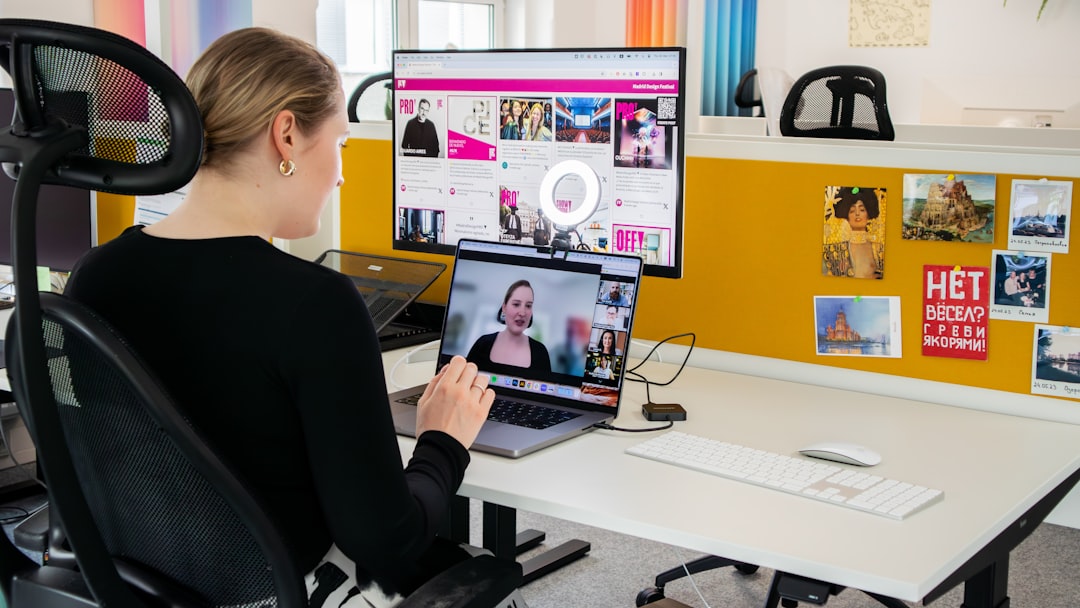
Virtual event platforms have become a staple in modern communication and networking. Their adept utilization can translate a digital gathering from a passive viewing experience into an active, participatory one. This involves a strategic approach, much like crafting a compelling narrative, where each element plays a crucial role in holding the audience’s attention and fostering genuine interaction. Maximizing engagement is not about overwhelming participants with features, but rather about weaving those features into a cohesive and purposeful experience.
The success of any virtual event hinges on a clear understanding of its audience and objectives. Without these cornerstones, even the most sophisticated platform can feel like a ship adrift without a compass.
Defining Your Audience and Their Needs
Before selecting a platform or designing content, one must ask: Who is attending? Understanding your audience demographics, technical proficiency, and the reasons they are participating is paramount. Are they seeking in-depth knowledge, casual networking, or a specific solution?
Segmentation and Persona Development
Consider segmenting your audience into distinct groups. For instance, a professional conference might have attendees interested in technical breakouts, others in industry trends, and yet others in career development. Developing detailed personas for these segments can illuminate their motivations, pain points, and preferred modes of interaction. This allows for tailoring the event experience to resonate with each group, like a skilled chef preparing individual meals to satisfy diverse palates.
Clarifying Event Objectives
What do you aim to achieve with this virtual event? Is it lead generation, knowledge dissemination, community building, or employee training? Clear, measurable objectives will guide every decision, from platform features to content delivery. A well-defined objective acts as the bedrock upon which all engagement strategies are built.
SMART Goals for Virtual Events
Employing the SMART framework (Specific, Measurable, Achievable, Relevant, Time-bound) is particularly useful here. Instead of a vague goal like “increase engagement,” a SMART objective might be “achieve a 75% participation rate in live Q&A sessions across all technical breakouts.”
Virtual event platforms have become increasingly popular as organizations seek innovative ways to engage audiences in a digital landscape. For those interested in exploring the cultural significance of virtual gatherings, a related article discusses the unique ways in which events can be celebrated online, such as the Day of the Dead. You can read more about this topic in the article found here: Day of the Dead Greetings.
Strategic Content Design for Virtual Audiences
In the virtual realm, attention spans are often shorter, and distractions are more prevalent. Content must therefore be concise, visually appealing, and actively involve the participant. Think of content as the engine of your virtual event; it needs to be powerful and fuel sustained interest.
Crafting Engaging Session Formats
The traditional lecture format, while potentially informative, can struggle to capture virtual attention. Varied and interactive session formats are essential.
Beyond the Webinar: Interactive Formats
- Panel Discussions: Bringing together multiple voices can foster a dynamic exchange of ideas. Ensure moderators actively engage the audience by posing questions gathered from chat or polls.
- Workshops and Breakout Rooms: These are excellent for hands-on learning and smaller group discussions. Provide clear objectives and facilitators to guide smaller cohorts effectively.
- Fireside Chats: An informal, conversational style can make speakers more approachable and the content more relatable.
- Gamified Sessions: Incorporating elements of competition, like trivia or scavenger hunts related to the content, can significantly boost participation.
- “Ask Me Anything” (AMA) Sessions: These offer direct access to experts, fostering a sense of exclusivity and personalized attention.
Visual Appeal and Multimedia Integration
The visual landscape of a virtual event is crucial. Static slides can result in a disengaged audience. Integrating diverse multimedia elements can break monotony and reinforce key messages.
The Importance of Visual Storytelling
- High-Quality Presentations: Use clean design, compelling imagery, and concise text. Avoid “death by PowerPoint.”
- Short, Impactful Videos: Incorporate pre-recorded segments, testimonials, or product demonstrations to add variety and visual interest.
- Infographics and Data Visualizations: Complex data can be made more digestible and memorable through visual representations.
- Live Demonstrations: For platforms offering screen sharing, live demonstrations of software or processes can be highly effective.
Pacing and Session Length
The optimal length of a virtual session is often shorter than its in-person counterpart. Overloading participants with too much information in a single block can lead to fatigue.
The Rhythm of Engagement
Consider breaking down longer topics into shorter, digestible modules. Incorporating short, interactive breaks between sessions, such as brief networking opportunities or energizer activities, can also help maintain focus. The rhythm of the event should be varied, avoiding monotonous stretches.
Leveraging Platform Features for Interaction
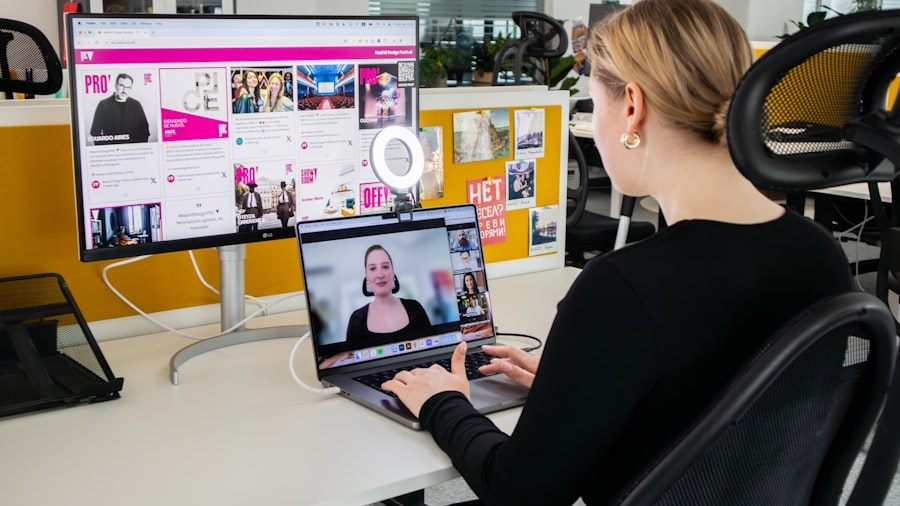
Virtual event platforms offer a diverse toolkit for fostering engagement. The key is to deploy these tools strategically, aligning them with your content and objectives. These features are the instruments in your orchestra; they must be played in harmony to create a beautiful symphony of interaction.
Live Chat and Q&A Functionality
These are the most fundamental tools for real-time interaction. Their effective use can transform passive viewers into active contributors.
Maximizing Chat and Q&A Impact
- Dedicated Moderators: Assign individuals to monitor chat for questions, comments, and to steer conversations constructively.
- Pre-planned Questions: Prepare a list of engaging questions to seed the chat and encourage initial participation.
- Upvoting Features: If available, allow attendees to upvote questions, highlighting those most relevant to the group.
- Live Q&A Sessions: Dedicate specific time slots for live Q&A, ensuring moderators have a curated list of the most pertinent questions.
- Post-Event Chat Archiving: Make chat logs available for attendees to review afterward, extending the conversation beyond the live event.
Polling and Surveys
These tools provide immediate feedback and a sense of shared experience. They allow participants to feel heard and contribute their opinions.
Strategic Deployment of Polls
- During Sessions: Use polls to gauge understanding, gather opinions on a topic, or even make lighthearted icebreakers.
- At Session End: Employ short surveys to collect feedback on the session content and delivery.
- Post-Event Surveys: Comprehensive surveys can capture overall event satisfaction and provide valuable data for future improvements.
Virtual Networking Tools
Facilitating connections between attendees is a core function. Platforms offer various ways to achieve this, from structured networking to serendipitous encounters. Think of these as digital bridges, connecting individuals across physical distances.
Encouraging Meaningful Connections
- Profile Creation: Encourage attendees to complete their profiles with relevant information to facilitate matching.
- One-on-One Meetings: Allow attendees to schedule private video calls with each other.
- Themed Discussion Lounges: Create virtual rooms centered around specific topics or interests where attendees can naturally congregate and converse.
- Speed Networking: Implement timed, one-on-one video calls for rapid introductions.
- AI-Powered Matchmaking: Some platforms use algorithms to suggest relevant connections based on profiles and interests.
Gamification Elements
Features like leaderboards, points, and badges can inject an element of fun and healthy competition, motivating participation in various activities.
Encouraging Active Involvement
- Points for Participation: Award points for attending sessions, asking questions, engaging in polls, or connecting with others.
- Leaderboards: Display top participants to foster friendly competition.
- Badges and Awards: Offer virtual badges for achieving certain milestones or demonstrating expertise.
Cultivating Community and Sustaining Engagement
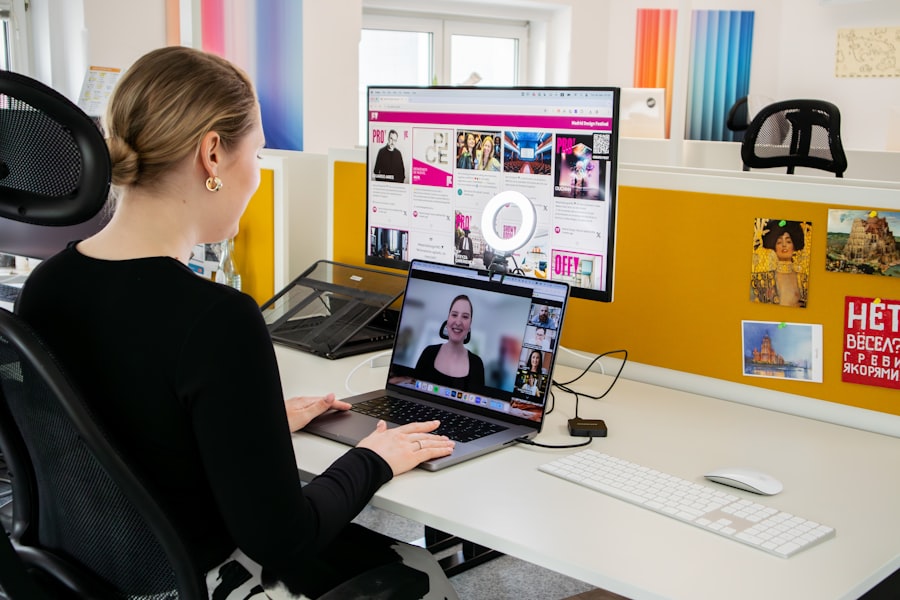
Engagement is not solely about what happens during the event; it’s also about building a lasting sense of community and providing value after the sessions conclude. This transforms a one-off gathering into a recurring touchpoint for your audience.
Pre-Event Buzz and Onboarding
Creating anticipation and a smooth onboarding process can significantly impact initial engagement levels.
Building Anticipation
- Welcome Emails and Communications: Provide clear instructions on how to access the platform and what to expect.
- Teaser Content: Share snippets of sessions, speaker introductions, or networking opportunities.
- Platform Familiarization: Offer tutorials or guided tours to help attendees navigate the platform before the event begins.
During-Event Community Building
Fostering a sense of belonging during the live event is crucial for sustained interest.
- Welcome Messages: A warm welcome from the host immediately upon entry sets a positive tone.
- Encouraging Introductions: Prompt attendees to introduce themselves in the main chat.
- Live Social Media Integration: If appropriate, encourage attendees to share their experiences on social media using a dedicated event hashtag.
Post-Event Follow-Up and Content Archiving
The event doesn’t end when the last session concludes. Thoughtful follow-up can reinforce key takeaways and extend the platform’s utility.
Extending the Value Proposition
- On-Demand Content Access: Make recordings of sessions available for attendees to revisit or for those who missed certain parts.
- Resource Sharing: Provide links to supplementary materials, presentations, or relevant articles discussed during the event.
- Community Forums: If the platform supports it, open persistent forums for continued discussion and networking.
- Feedback Implementation: Demonstrate that attendee feedback is valued by communicating how it will be used for future events.
As virtual events continue to gain popularity, many organizations are exploring the best platforms to host their online gatherings. A recent article discusses the various features and benefits of different virtual event platforms, providing valuable insights for those looking to enhance their online experiences. For more information on how to choose the right platform for your needs, you can read the article here: virtual event platforms. This resource can help you navigate the options available and make informed decisions for your next event.
Measuring and Iterating for Future Success
| Platform | Max Attendees | Key Features | Integration Options | Pricing Model | Support Availability |
|---|---|---|---|---|---|
| Hopin | 100,000+ | Networking, Expo, Stage, Breakout Rooms | CRM, Marketing Automation, Payment Gateways | Subscription & Event-based | 24/7 Support |
| Zoom Events | Up to 50,000 | Webinars, Polling, Q&A, Breakout Rooms | Calendar, CRM, Email Marketing | Subscription | 24/7 Support |
| vFairs | 50,000+ | Virtual Booths, Webinars, Networking Lounges | CRM, Marketing Tools, Analytics | Event-based Pricing | Business Hours |
| Airmeet | 10,000 | Social Lounges, Stage, Polls, Q&A | CRM, Email Marketing, Analytics | Subscription & Pay-per-event | Business Hours |
| ON24 | 100,000+ | Webinars, Content Hubs, Engagement Tools | CRM, Marketing Automation, Analytics | Subscription | 24/7 Support |
The effectiveness of engagement strategies can only be understood through diligent measurement and a commitment to continuous improvement. Data is the surveyor’s tool, helping you map the landscape of attendee interaction and identify areas for future development.
Key Metrics for Engagement
Identifying and tracking the right metrics is essential for understanding what works and what doesn’t.
Quantifying Interaction
- Attendance and Drop-off Rates: Monitor session attendance and identify points where participants tend to disengage.
- Chat Activity: Track the volume and sentiment of chat messages.
- Poll and Survey Participation: Measure the percentage of attendees who engage with these tools.
- Networking Connections: Quantify the number of one-on-one meetings or connections made through the platform.
- Content Downloads/Views: Track engagement with shared resources or on-demand recordings.
- Feedback Survey Scores: Analyze satisfaction ratings and qualitative comments.
Data Analysis and Interpretation
raw numbers are only the first step. Analyzing these metrics provides actionable insights.
Turning Data into Strategy
- Identifying Engagement Peaks and Troughs: Pinpoint which sessions or activities garnered the most interest and which fell flat.
- Correlating Participation with Objectives: Determine if high engagement in certain areas contributed to achieving event goals.
- Segmenting Data by Audience Type: Understand if different attendee groups responded differently to various engagement tactics.
Iterative Improvement for Future Events
The insights gained from data analysis should directly inform the planning of future virtual events.
The Cycle of Refinement
- Refining Content and Formats: Adjust session lengths, topics, and presentation styles based on audience reception.
- Optimizing Platform Feature Usage: Allocate resources to the platform features that demonstrably drive engagement.
- Enhancing User Experience: Address any friction points identified in the onboarding or navigation process.
- Testing New Strategies: Continuously experiment with new engagement techniques and measure their impact.
By systematically addressing these facets, from foundational understanding to ongoing iteration, organizations can effectively transform virtual event platforms from mere digital broadcast tools into dynamic arenas for meaningful interaction and substantial outcomes.
FAQs
What is a virtual event platform?
A virtual event platform is an online software solution designed to host and manage events such as conferences, trade shows, webinars, and meetings in a digital environment. These platforms provide tools for live streaming, attendee interaction, networking, and content sharing.
What features are commonly offered by virtual event platforms?
Common features include live video streaming, chat and Q&A functions, virtual exhibitor booths, breakout rooms, attendee networking capabilities, event analytics, registration and ticketing systems, and integration with other software like CRM and marketing tools.
How do virtual event platforms benefit organizers and attendees?
For organizers, virtual event platforms reduce costs related to venue, travel, and logistics while expanding reach to a global audience. Attendees benefit from easy access to events from anywhere, flexible scheduling, and opportunities to engage with content and other participants through interactive features.
Are virtual event platforms secure?
Most reputable virtual event platforms implement security measures such as data encryption, secure login protocols, and compliance with privacy regulations to protect user information and prevent unauthorized access. However, security levels can vary, so it is important to choose a platform with strong security features.
Can virtual event platforms support large-scale events?
Yes, many virtual event platforms are scalable and capable of supporting large audiences, sometimes accommodating tens of thousands of participants simultaneously. They often include features to manage high traffic, such as content delivery networks (CDNs) and load balancing.