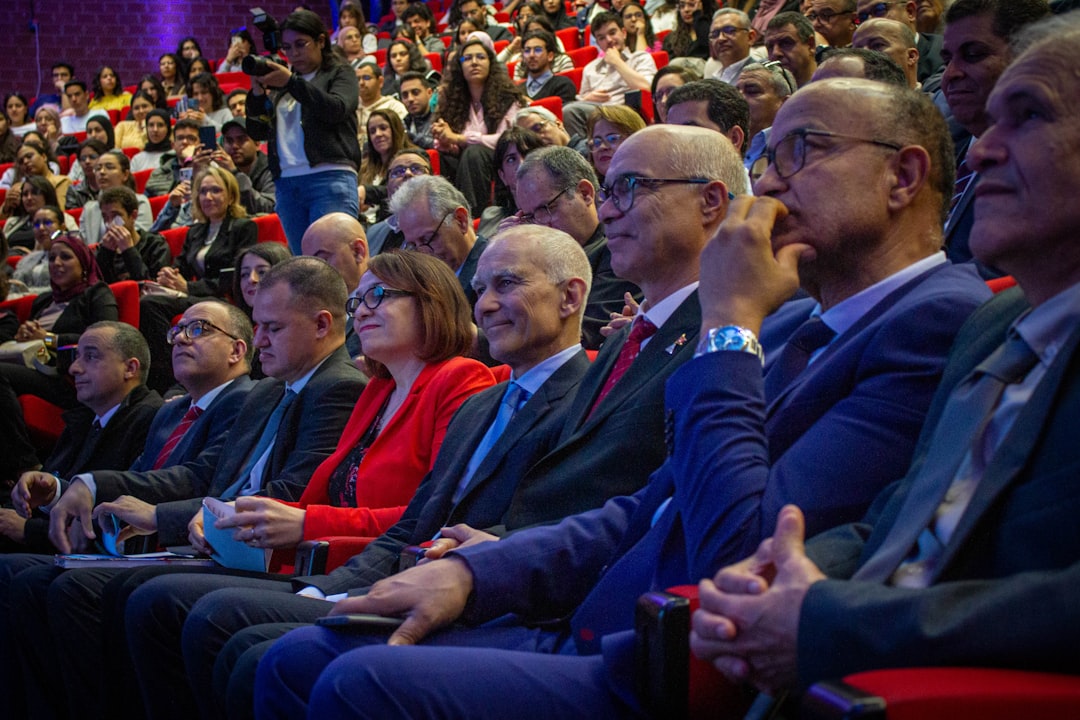
Networking events are crucial for career growth and business development. They offer a direct path to meeting new people, sharing ideas, and discovering opportunities you might not find otherwise. But let’s be honest, walking into a room full of strangers can feel a bit awkward. The key to making these events work for you is to have some smart, engaging ideas up your sleeve to break the ice and genuinely connect with others. This article will lay out 30 practical networking event ideas designed to make those connections easier and more meaningful.
Getting Started: The Icebreakers
First impressions matter, and a good icebreaker can smooth the initial awkwardness. These ideas focus on getting people comfortable and talking without feeling forced.
Structured Introductions
Instead of just saying “Hi, I’m [Name],” people can be prompted to share something specific. This could be their biggest professional win of the last quarter, a unique skill they possess, or even a recent interesting article they read related to their field. This moves beyond the generic and gives others something tangible to latch onto.
Two Truths and a Lie (Professional Edition)
A classic brought into the professional world. Attendees share two true professional facts and one false one. Others guess the lie. This is a lighthearted way to learn surprising things about people’s careers and opens doors for follow-up questions. For example, “I once coded for 48 hours straight,” “I started my first business at 15,” or “I speak five languages fluently.”
Before the event, attendees are encouraged to write down a professional challenge they’re currently facing on a sticky note and place it on a designated “Problem Wall.” During the event, they can browse the wall and offer advice or connect with others facing similar issues. This creates immediate common ground and an opportunity for collaborative problem-solving. It’s a natural conversation starter.
“If You Knew Me Better…” Prompts
Attendees are given cards with prompts like, “If you knew me better, you’d know that I’m surprisingly good at…” or “If you knew me better, you’d know that my biggest professional passion is…” This encourages sharing personal but still professional insights, making conversations more authentic.
“Walk and Talk” Pairings
Instead of static mingling, attendees are paired up and given a prompt or a topic to discuss while taking a short walk around the venue, if feasible. This can be as simple as “What brought you to this event?” or “Share a recent industry trend you find fascinating.” The movement can reduce tension and make conversation flow more easily.
Interactive Activities for Deeper Engagement
Once the initial ice broken, these ideas push beyond superficial chats to foster more substantive interactions and collaborations.
“Skill Swap” Sessions
Attendees list a skill they’re willing to teach and a skill they want to learn. A board or app facilitates matching. This could be anything from “how to use a specific software” to “public speaking tips.” It provides a clear value exchange and a reason to connect beyond general networking.
Mini-Workshop or Lightning Talks
Invite a few attendees to give very short, impactful talks (5-7 minutes) on a specific niche topic within their area of expertise. This showcases their knowledge, provides value to others, and makes them approachable experts for follow-up questions. It’s a great way to identify thought leaders in the room.
Collaborative Brainstorming Stations
Set up tables with specific industry challenges written on large paper or whiteboards. Attendees can join a station and contribute ideas. This is a hands-on way to work together, showcase problem-solving skills, and create a sense of shared accomplishment. It’s less about individual pitches and more about collective intelligence.
“Expert Hot Seat”
Designate a specific time where a subject matter expert (either an attendee or a pre-selected guest) sits in a “hot seat” for 15-20 minutes, ready to answer any questions from the group. This provides focused learning and allows attendees to directly engage with specialized knowledge. It’s like a mini-consultation.
Themed Roundtables with Facilitators
Instead of open mingling, organize small roundtables (5-8 people) each focused on a specific, relevant topic. A designated facilitator ensures everyone contributes and the discussion stays on track. This guarantees deeper conversations on subjects of mutual interest rather than random small talk.
Creative Approaches to Connection
Sometimes, thinking outside the box can lead to the most memorable connections. These ideas add an element of novelty and fun.
“Business Card Bingo”
Create Bingo cards with squares like “Someone who works in a different industry,” “Someone who has traveled to three continents,” or “Someone who uses a unique social media platform.” Attendees fill their squares by finding people matching the descriptions and getting their business card or contact info. This gamifies the networking process.
“Curious Questions” Jar
Have a jar filled with interesting, open-ended conversation prompts unrelated to work. For example, “What’s the most unusual skill you’ve ever learned?” or “What’s your favorite obscure podcast?” These questions encourage people to share personal anecdotes, making interactions more human and less transactional.
“Connection Wall” with Photo Prompts
Set up a wall where attendees can post a photo (physical or digital via a screen) that represents a professional achievement, a passion project, or even their workspace. Others can browse, react, and connect with people whose photos resonate with them. It’s a visual way to spark conversations based on shared interests.
“Match the Skill” Game
Before the event, attendees submit one or two key skills they possess. During the event, these skills are written on cards. Attendees then try to “match” the skill cards to the people who possess them through conversation. This encourages targeted networking based on specific competencies.
The “Networking Speed Dating” Format
Set up pairs for short, timed conversations (e.g., 5-7 minutes). A bell rings, and one person moves to the next partner. This ensures everyone gets to meet a number of people quickly and efficiently, breaking through the shyness barrier. It’s efficient and ensures broad interaction.
Leveraging Technology and Innovation
Modern networking can be enhanced with smart use of tools. These ideas integrate technology to make connections more efficient and lasting.
QR Code Introductions
Attendees can create a personalized QR code before the event that links to their LinkedIn profile, personal website, or a short video introduction. Handing out a QR code card is a unique and efficient way to share comprehensive contact information and introduce themselves more dynamically than a simple business card.
Event-Specific App with Profile Matching
Utilize an event app that allows attendees to create detailed profiles, including their skills, interests, and what they hope to gain from the event. The app can then suggest potential connections based on shared criteria, making networking more targeted and less random.
Interactive Polling and Live Q&A
Throughout the event, use live polling tools to gather opinions on industry trends or challenges. Display the results in real-time. This can spark conversations and provide valuable data. A live Q&A section related to a presentation or topic can also generate focused discussion.
Augmented Reality (AR) “Information Hubs”
For larger events, set up AR markers around the venue. When attendees scan these markers with their phones, they can access speaker bios, event schedules, or even short video introductions from key attendees. This provides dynamic information delivery and encourages exploration.
Digital Guestbook with Video Messages
Instead of a traditional sign-in sheet, have a tablet or station where attendees can record a short video message (“What are you hoping to get out of today?” or “Your one piece of advice for [industry]”). Others can browse these messages later, creating a digital record of attendees and their insights.
Post-Event Follow-Up Enhancers
The real work of networking often begins after the event. These ideas help to solidify the connections made.
Personalized Follow-Up Prompts
Encourage attendees to make a note on business cards about something specific they discussed. For example, “Spoke about AI ethics” or “Mentioned mutual contact [Name].” This makes follow-up emails far more personal and memorable than generic “nice to meet you” messages.
“Connection Hub” Online Platform
Create a temporary online platform (e.g., a Slack channel, a LinkedIn group, or a dedicated forum) for event attendees. This allows conversations to continue, resources to be shared, and connections to evolve beyond the physical event. It transforms a one-time meeting into an ongoing community.
Post-Event Survey with “Referral” Option
Include an optional section in the post-event survey asking if attendees would like to be connected with specific individuals they met (or heard about). The event organizer can then facilitate these warm introductions, adding a layer of trust and efficiency.
After the event, compile all shared presentations, relevant articles, or useful tools mentioned by speakers or attendees into a central, accessible library. Sharing valuable resources gives people a reason to re-engage with the event and each other.
“Coffee Roulette” Program
For a few weeks post-event, organize an opt-in “coffee roulette” where attendees are randomly paired up each week for a short virtual or in-person coffee chat. This encourages deeper, one-on-one follow-ups that might not happen otherwise. It’s a low-pressure way to build on initial encounters.
“Alumni” Mentorship Program
For recurring events, establish a mentorship program that connects newer attendees with seasoned participants from previous events. This provides value to both mentors (giving back) and mentees (gaining guidance), strengthening the overall networking community and providing a clear path for collaboration.
“Re-Connect Challenges” on Social Media
Issue gentle challenges on social media after the event. For example, “Share one new connection you made and what you learned from them using #EventName.” This keeps the momentum going, encourages public recognition of new connections, and broadens the event’s reach retrospectively.
The “Reciprocal Introduction” Initiative
Attendees can submit the names of two individuals (one from the event, one external contact) they’d like to introduce to each other, along with a brief reason why they’d be a good match. The event organizers can then facilitate these valuable, curated introductions, creating a network effect.
“Feedback Loop” with Specific Asks
Beyond general feedback, ask attendees what specific type of connection or resource they are still looking for after the event. This allows organizers to proactively try and facilitate those connections or provide relevant information, demonstrating ongoing value and care.
The “Story Exchange” Initiative
Encourage attendees to share a short professional anecdote, a learning experience, or a success story (even a small one) on a dedicated platform. Browsing these stories can lead to unexpected connections based on shared experiences or admiration, moving beyond just job titles and company names.
These 30 ideas offer a range of options, from quick icebreakers to structured post-event engagement, all designed to make networking less daunting and more genuinely productive. The aim is to create an environment where meaningful connections can naturally form, leading to sustained professional relationships.
FAQs
What are some unique networking event ideas to break the ice?
Some unique networking event ideas to break the ice include speed networking, interactive workshops, team-building activities, and themed networking events.
How can networking events help in building connections?
Networking events provide opportunities for individuals to meet new people, exchange contact information, and engage in meaningful conversations, which can lead to building professional connections and relationships.
What are some creative ways to encourage networking at events?
Some creative ways to encourage networking at events include using icebreaker games, providing networking prompts or conversation starters, creating designated networking areas, and incorporating interactive elements into the event agenda.
What are some tips for successful networking at events?
Some tips for successful networking at events include setting specific networking goals, being approachable and open to meeting new people, actively listening and engaging in conversations, and following up with contacts after the event.
How can networking events benefit professional development?
Networking events can benefit professional development by providing opportunities to learn from others, gain insights and perspectives from different industries, and potentially discover new career opportunities or collaborations.