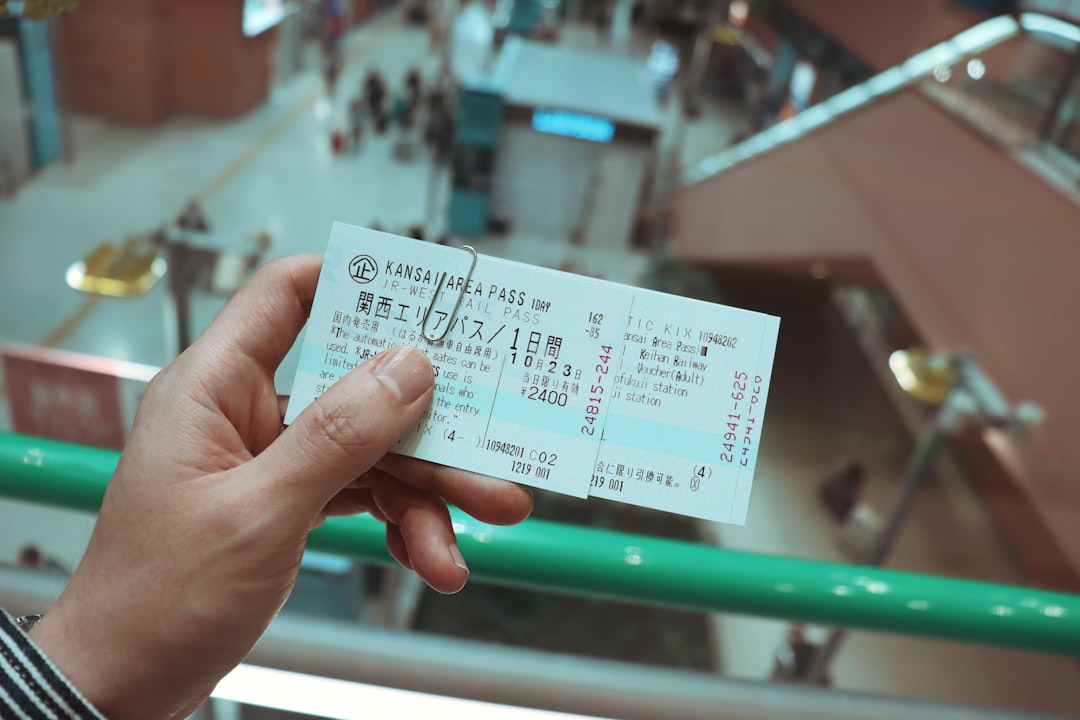
Wondering how to get more people to buy tickets for your next event? A smart way to do this is by using tiered ticket pricing. It’s not just about charging different amounts; it’s about offering distinct value at each price point to appeal to a wider range of attendees and encourage them to commit. Let’s dive into how you can make tiered pricing work for you.
At its heart, tiered ticket pricing means offering the same event but with variations in what a ticket purchase includes, or the timing of the purchase, leading to different price points. It’s a strategy that acknowledges not everyone wants or needs the exact same experience, nor can everyone afford the same price. By breaking down your offerings, you can capture a broader market and, crucially, create urgency.
Why Tiered Pricing Works
The fundamental reason tiered pricing is effective is its psychological appeal. It taps into a few key human behaviors:
- Perceived Value: People naturally look for the best deal. When presented with options, they’ll often choose the tier that offers what they believe is the most value for their money. This might not always be the cheapest option.
- Urgency and Scarcity: “Early bird” or “limited quantity” tiers create a sense of needing to act fast. Once these are gone, attendees might be more willing to pay a higher price for the next tier rather than miss out entirely.
- Segmentation: Different people have different budgets and priorities. Tiered pricing allows you to cater to the budget-conscious, the value-seekers, and those who want the premium experience.
It’s Not Just About Price
It’s important to remember that tiered pricing isn’t simply about slapping different numbers on tickets. Each tier needs to represent a discernible difference in either access, experience, or the benefit of early commitment. The more distinct and appealing each tier is, the more effective the strategy will be.
Structuring Your Tiers: What to Offer at Each Level
The success of your tiered pricing hinges on what you actually offer at each level. This isn’t about creating arbitrary price jumps; it’s about building out a compelling package for each tier.
The “Early Bird” Tier: Rewarding Proactive Buyers
This is a foundational tier, designed to generate initial buzz and secure early revenue.
Key Elements of an Early Bird Tier:
- Significant Discount: The price reduction should be attractive enough to motivate immediate action. This discount is the primary incentive.
- Limited Quantity: Make it clear that these tickets are available in limited numbers. This scarcity is a powerful driver.
- Defined Timeframe: Set a specific end date for the early bird pricing. This creates a deadline.
- No Special Perks (Usually): The main benefit here is the price. Avoid adding extra perks that might dilute the value of higher tiers. The goal is to get people to commit now because it’s cheaper.
Practical Implementation:
Announce your early bird tier well in advance. Use clear messaging that highlights the savings and the limited availability. Social media, email lists, and your event website are key channels for this.
The “Standard” or “General Admission” Tier: The Broad Appeal
This tier is for the majority of your audience, offering a solid entry point to the event.
What to Include:
- Core Experience: This tier should grant access to the main event activities. Think general seating, access to main sessions, or entry to the exhibition floor.
- Market Rate: The price should reflect the standard market value for an event of this type. It’s the baseline against which other tiers are judged.
- Clear Value Proposition: While not as discounted as early bird, it should still feel like a fair price for what’s offered.
Considerations:
This tier often has the largest volume of tickets. Ensure you have enough capacity and resources to handle the attendees who opt for this level.
The “Premium” or “VIP” Tier: For the Discerning Attendee
This is where you add layers of exclusivity and enhanced experiences. This tier is often about making attendees feel special and offering benefits they can’t get anywhere else.
Components of a Premium Tier:
- Enhanced Access: This could mean reserved seating, lounge access, backstage passes, or priority entry.
- Exclusive Content/Experiences: Think Q&A sessions with speakers, networking events only for VIPs, or a special welcome reception.
- Exclusive Swag/Merchandise: High-quality branded items that attendees will value.
- Dedicated Support: Potentially a dedicated contact person for questions or assistance leading up to and during the event.
- Higher Price Point: The price should reflect the added benefits. It needs to be a significant jump from the standard tier, but justified by the extra value.
Making the Premium Tier Shine:
Don’t just add a few extras. Think about genuinely enhancing the attendee experience. What would make someone feel like they got a truly special deal, even at a higher cost?
The “Group” or “Bundle” Tier: Encouraging Multiple Sales
This tier is designed to incentivize purchasing multiple tickets at once.
How it Works:
- Discount per Ticket: Offer a reduced price per ticket when purchased in a group of a certain size (e.g., buy 4, get 10% off).
- Family Packs: If applicable, this can be a great way to attract families.
- Corporate Packages: For business events, offering packages for teams can drive bulk sales.
Benefits for You:
- Increased Sales Volume: Encourages larger single transactions.
- Guaranteed Attendance: Group tickets often mean committed attendees, as individuals within the group encourage each other to attend.
Implementation:
Clearly state the minimum number of tickets required to qualify for the group discount. Make the purchasing process smooth for bulk orders.
Pricing Strategies: Finding the Right Numbers
Setting the actual prices for your tiers requires a balance of cost, perceived value, and market research.
Understanding Your Costs
Before you set any prices, you need a clear picture of your event’s expenses.
Direct Costs:
- Venue Rental: The cost of renting the space.
- Speaker/Performer Fees: Payments to talent.
- Catering: Food and beverage costs.
- AV Equipment: Sound, lighting, projection.
- Staffing: Event staff, security, ushers.
- Marketing & Promotion: Advertising, design fees.
- Ticketing Platform Fees: Costs associated with selling tickets.
Indirect Costs:
- Insurance: Event liability coverage.
- Permits & Licenses: Any legal requirements.
- Contingency: A buffer for unexpected expenses.
Calculating Break-Even Point:
Knowing your total costs allows you to determine how many tickets you need to sell at each tier to cover expenses. This is your minimum target.
Market Research: What Are Others Charging?
Don’t price in a vacuum. Understand what similar events in your area or industry are charging.
Online Research:
- Competitor Analysis: Look at websites and ticketing pages of comparable events. Note their pricing structures and what’s included.
- Industry Reports: If available, research pricing trends in your specific event sector.
Attendee Surveys:
- Pre-Event Interest Forms: Ask potential attendees about their budget for events like yours.
- Post-Event Feedback: If you’ve run similar events before, analyze past ticket sales data and attendee feedback on pricing.
Perceived Value vs. Actual Cost
This is where the art of pricing comes in. The price should feel justified by the benefits offered.
The “Anchor” Effect:
Presenting a higher-priced tier first can make the subsequent, lower-priced tiers seem more attractive by comparison.
Discount Margins:
- Early Bird: Aim for a discount of 15-25% from the standard price.
- Premium: The price can be 50-100% or even more above the standard price, depending on the value offered.
- Group Discount: Typically 5-10% off per ticket.
Avoiding “Psychological” Pricing Traps:
While strategies like $9.99 are common in retail, for event tickets, round numbers often feel more professional and less gimmicky, especially for higher price points. However, using prices ending in ‘5’ or ‘0’ can sometimes feel more deliberate. Experiment and see what resonates.
Creating Urgency and Scarcity
These are powerful tools in driving ticket sales, and tiered pricing is their perfect vehicle.
Limited Quantity Tiers
This is a direct application of scarcity.
How to Implement:
- Clearly State Numbers: “Only 50 VIP tickets available,” or “Early Bird tickets limited to the first 100 buyers.”
- Visualize Availability: If your ticketing platform allows, show a progress bar or a countdown of remaining tickets for a specific tier.
- Regular Updates: Publicize when tiers are selling out to create a sense of urgency for the remaining options.
Why it Works:
Humans are often driven by the fear of missing out (FOMO). When something is perceived as scarce, its desirability increases.
Time-Bound Tiers
This creates a deadline for purchasing at a specific price.
Setting Deadlines:
- Early Bird End Date: This is the most common.
- Tier Price Increases: Announce when the price for a particular tier will go up (e.g., “Standard pricing begins after [date]”).
- Last Chance: A final push before the event, sometimes with a slightly higher price to incentivize booking sooner.
Communication is Key:
- Multiple Reminders: Don’t just announce it once. Send out reminders as deadlines approach.
- Clear Call to Action: “Book now to save!” or “Don’t miss out on this price – tickets end [date]!”
Strategic Phasing:
Launch your tiers in phases. For example, release Early Bird, then 4-6 weeks later, start selling Standard tickets, and perhaps offer Premium tickets throughout. This keeps momentum going.
Communicating Your Tiers Effectively
How you present your pricing options can make a significant difference in how attendees perceive them.
Clear and Concise Descriptions
Attendees need to understand exactly what they’re getting for their money.
Key Information to Include for Each Tier:
- Price: Clearly displayed.
- What’s Included: A bulleted list of benefits, access, and perks. Use action-oriented language.
- Restrictions/Limitations: (e.g., “General Admission seating,” “Limited quantity”).
- Exclusivity Markers: For VIP tiers, highlight what makes it special.
Visual Aids:
- Comparison Table: A table is often the easiest way for people to compare tiers side-by-side. Columns for each tier and rows for benefits.
- Icons: Use simple icons to represent different perks (e.g., a microphone for Q&A, a star for VIP access).
Website and Ticketing Page Design
Your website is your primary sales tool.
Homepage Visibility:
- Featured Offer: Highlight the current best deal or the most popular tier on your homepage.
- Dedicated Tickets Page: Have a clean, easy-to-navigate section for all ticket information.
Call to Actions (CTAs):
- Prominent Buttons: Use clear, actionable buttons like “Buy Tickets,” “Select Tier,” or “Learn More.”
- Tier-Specific CTAs: “Buy Early Bird,” “Get Your VIP Pass.”
Marketing and Social Media Messaging
Embed pricing information into your promotional efforts.
Content Strategy:
- Highlight Value: Focus on the benefits of each tier, not just the price.
- Showcase Premium Perks: Use engaging visuals and descriptions of what VIP attendees will experience.
- Create FOMO: Remind people about expiring discounts or limited quantities. “Only X days left to get your Early Bird tickets!”
Email Marketing:
- Segmented Lists: If you have past attendees, you might tailor messages to them – perhaps a loyal customer discount.
- Clear Subject Lines: “Save Up to X% with Our Early Bird Tickets!” or “VIP Experience Now Available for [Event Name].”
Measuring Success and Iterating
Pricing isn’t a set-it-and-forget-it affair. You need to track performance and make adjustments.
Tracking Key Metrics
What numbers will tell you if your tiered pricing is working?
Ticket Sales Volume Per Tier:
- Which tiers are selling best? Are you selling out of early bird too quickly? Is your premium tier not moving?
- Revenue per tier: Understand the financial contribution of each pricing level.
Conversion Rates:
- Website Visitor to Ticket Buyer: How efficiently are people converting on your ticketing page?
- Interest to Purchase: If you collect email addresses, how many of those who expressed interest actually bought tickets?
Average Ticket Price:
- Overall Average: This gives you a baseline.
- Average Price Over Time: See if your pricing strategy is leading to a higher average ticket price as the event gets closer.
Analyzing Performance
Once you have the data, what does it mean?
Identifying Bottlenecks:
- Low Sales in a Tier: Is the price too high? Are the benefits unclear or unappealing?
- Selling Out Too Fast: Did you underestimate demand for an early tier? Should you release more tickets or create another tier?
Understanding Attendee Behavior:
- Are people consistently upgrading? This suggests your standard tier might be too basic, or your premium tier offers compelling value.
- Are many people waiting until the last minute? This might indicate your earlier tiers aren’t creating enough urgency, or your pricing structure doesn’t sufficiently reward early commitment.
Iterating for Future Events
Use what you learn to refine your strategy.
Adjusting Prices:
- Increase Prices: If popular tiers sell out immediately, consider a slight increase for future releases or your next event.
- Decrease Prices: If a tier isn’t selling, a price adjustment might be necessary, or perhaps a re-evaluation of the included benefits.
Refining Tier Benefits:
- Add or Remove Perks: Based on attendee feedback and sales data, tweak what each tier offers.
- Create New Tiers: If you see a gap in your current offerings (e.g., a need for a mid-range option between Standard and VIP), consider introducing a new tier for your next event.
Testing Different Strategies:
Don’t be afraid to experiment with different discount percentages, different quantities for limited tiers, or varying price increase points for future events. Each event is a learning opportunity.
FAQs
What is tiered ticket pricing?
Tiered ticket pricing is a strategy where tickets for an event are offered at different price points based on factors such as seating location, timing of purchase, or added perks. This allows event organizers to cater to a wider range of budgets and preferences among potential attendees.
How can tiered ticket pricing drive more ticket sales?
By offering tickets at different price points, event organizers can appeal to a broader audience. Some attendees may be willing to pay more for premium seating or additional perks, while others may be attracted to lower-priced options. This can result in increased ticket sales and a more diverse audience.
What are some common tiers for ticket pricing?
Common tiers for ticket pricing include general admission, VIP or premium seating, early bird pricing, group discounts, and add-on packages that include merchandise or access to exclusive experiences. These tiers allow event organizers to offer a variety of options to potential attendees.
What are the potential challenges of implementing tiered ticket pricing?
One potential challenge of implementing tiered ticket pricing is ensuring that the value of each tier is clearly communicated to potential attendees. Additionally, managing inventory and pricing for multiple tiers can be complex and may require careful planning and monitoring.
What are some best practices for creating tiered ticket pricing?
Best practices for creating tiered ticket pricing include conducting market research to understand the preferences and budget constraints of potential attendees, clearly communicating the value of each tier, and regularly evaluating and adjusting pricing based on demand and sales data. Additionally, offering early bird pricing and group discounts can help drive sales.