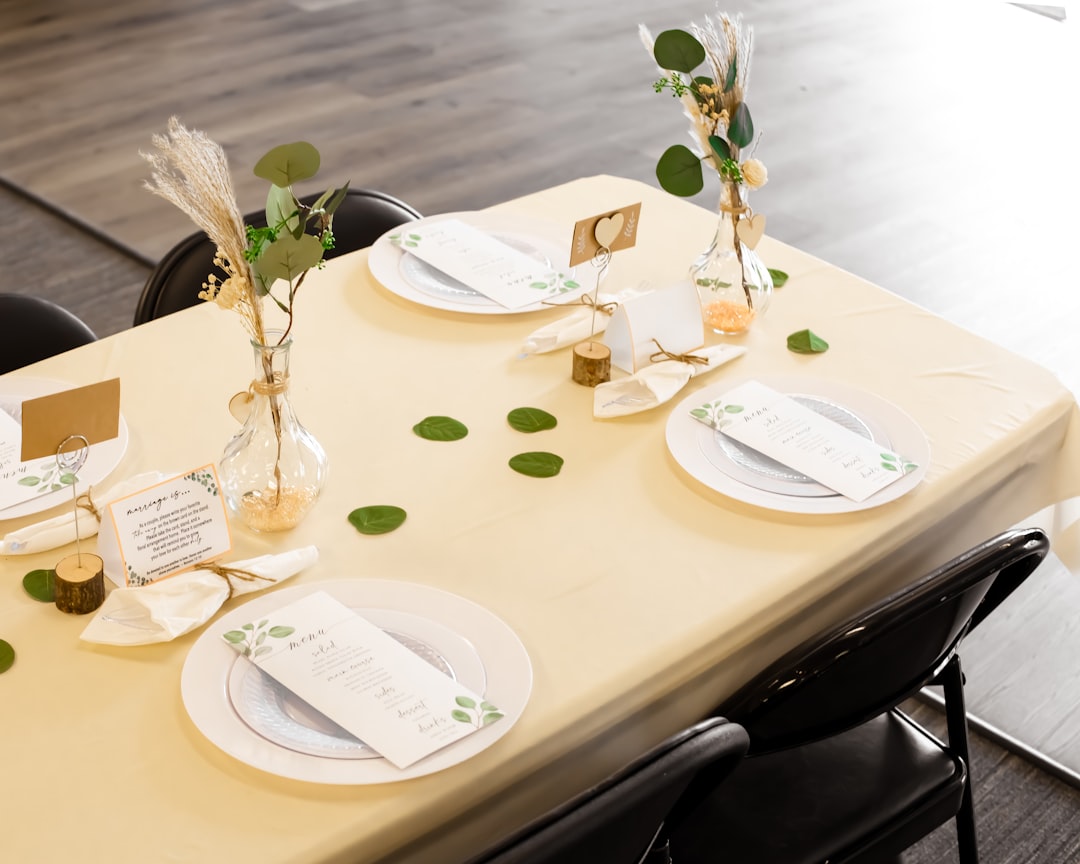
Event design, at its core, is the deliberate shaping of experiences through environmental and sensory elements. To move beyond conventional approaches and create truly impactful events, consider integrating strategies that challenge established norms and prioritize attendee engagement. This article explores nine such strategies, offering practical applications for event professionals.
The foundation of a compelling event lies in its narrative. An event without a clear story or purpose is like a ship without a rudder, drifting without direction. You must define this narrative early in the design process.
Beyond the Agenda: The Thematic Core
Instead of simply listing speakers and sessions, develop an overarching theme that threads through every aspect of your event. This theme should be more than a catchy title; it should be a guiding principle. For example, rather than a “tech conference,” consider “Navigating the Digital Frontier: Tools for Tomorrow’s Innovators.” This thematic core provides a lens through which all design decisions are made, from content to catering. Ask yourself: what story are you telling, and what core message do you want attendees to internalize?
Purpose as a Compass: Guiding Design Decisions
Every element of your event should serve a defined purpose related to your overarching objective. Is the purpose to educate, to network, to inspire, or to generate sales leads? Once established, this purpose acts as a compass, directing design choices. If your purpose is to foster intimate networking, large, amphitheater-style seating may be counterproductive. Conversely, if inspiration is key, a stage design focused on dynamic visuals and impactful presentations would be more appropriate. Avoid including elements solely because they are traditional or expected; each component must justify its presence.
Embracing Sensory Immersion
Humans experience the world through their senses. By consciously designing for multiple sensory inputs, you can create a more memorable and affecting experience.
The Auditory Landscape: Sound as a Design Element
Sound extends beyond background music or speaker amplification. Consider how different soundscapes can evoke specific emotions or guide attendees through spaces. For instance, a bustling marketplace area could feature ambient sounds of chatter and bartering, while a contemplative zone might incorporate calming nature sounds or instrumental music. Pre-recorded narratives or sound installations can enhance thematic elements. The judicious use of silence can also be a powerful tool, providing moments for reflection and emphasis.
Olfactory Signatures: Scent and Memory
Smell is strongly linked to memory and emotion. While often overlooked, incorporating controlled scents can leave a lasting impression. Imagine a “forest bathing” themed event where the air is subtly infused with pine and earthy notes, or a culinary workshop where the aroma of freshly baked bread greets attendees. Exercise caution and consider potential allergies; subtle, diffused scents are often more effective than overpowering ones. The goal is enhancement, not distraction.
Tactile Textures: Engagement Through Touch
The physical environment can be enriched through varied textures. Soft furnishings in lounge areas encourage relaxation, while rough, natural materials might evoke a sense of authenticity or ruggedness. Interactive exhibits could incorporate elements that invite touch, such as textured screens or materials that react to pressure. Consider the haptic feedback of virtual reality experiences. Providing opportunities for tactile engagement can make an event feel more grounded and physically engaging.
Fostering Participatory Experiences
Passive consumption is increasingly less engaging. Design events that actively involve your attendees, transforming them from spectators into participants.
Beyond the Panel: Interactive Content Formats
Move beyond traditional panel discussions and lectures. Implement formats like interactive workshops, solution-focused brainstorms, hackathons, or “unconferences” where attendees largely determine the agenda. Facilitate small group discussions, peer-to-peer learning, and hands-on activities. The goal is to shift the dynamic from information broadcast to collaborative exploration.
Gamification: Injecting Playfulness and Purpose
Integrating game mechanics can boost engagement and learning. This could involve points systems, leaderboards, challenges, or quests that encourage exploration and interaction. For example, attendees might earn points for visiting certain booths, engaging with specific content, or networking with a set number of individuals. Ensure that gamification serves a clear purpose, such as guiding attendees to key areas or reinforcing learning objectives, rather than being a superficial addition.
Co-Creation: Attendees as Designers
Empower attendees to contribute to the event’s evolution. This could involve inviting pre-event feedback on session topics, allowing live polling to influence directions of discussions, or providing spaces where attendees can collectively generate ideas or create content. A “living art wall” where attendees contribute to a mural throughout the event, or a collaborative digital platform for idea sharing, are examples. This fosters a sense of ownership and investment.
Leveraging Technology Thoughtfully
Technology should enhance the human experience, not overwhelm it. Its integration should be purposeful and seamless.
Augmented and Virtual Reality: Layering Reality
Beyond traditional screens, consider how augmented reality (AR) and virtual reality (VR) can add new dimensions. AR can overlay digital information onto the real world, providing interactive maps, product demonstrations, or historical context. VR can transport attendees to entirely different environments for immersive storytelling or training simulations. The key is to use these technologies to achieve specific design goals, not simply as novelties. For example, a VR experience could showcase a product in a way impossible in the physical space, or an AR overlay could provide speaker bios on demand without requiring paper handouts.
Data-Driven Personalization: Tailoring the Journey
Utilize data collected (with appropriate privacy considerations) to personalize aspects of the attendee journey. This might involve recommending relevant sessions based on their interests, creating custom networking suggestions, or providing individualized content via a dedicated event app. This shift from a one-size-fits-all approach to a tailored experience can significantly enhance relevance and satisfaction. Think of it as a concierge service powered by data, providing specific guidance rather than generic directions.
Sustainable Design Practices
An event’s environmental and social impact is an increasingly critical consideration. Responsible design extends beyond aesthetics and functionality.
Circular Economy Principles: Reduce, Reuse, Recycle, Reimagine
Adopt a circular approach to resource management. Prioritize reusable materials for decor, signage, and catering. Source local and seasonal food to reduce transportation impact. Implement comprehensive recycling and composting programs. Beyond these operational aspects, reimagine how event assets can be reused or repurposed after the event. Can decor be donated? Can temporary structures be dismantled and reassembled for future events? This minimizes waste and maximizes resource efficiency.
Ethical Sourcing and Local Partnerships: Community Integration
Integrate ethical sourcing into all procurement decisions. This includes everything from fair trade coffee to sustainably produced merchandise. Furthermore, prioritize partnerships with local businesses and vendors. This not only supports the local economy but also reduces transportation emissions and strengthens community ties. Engaging local artists, performers, and artisans can also enrich the event’s unique flavor and cultural relevance. This approach moves beyond simply “being green” to actively contributing positively to the community and environment.
Designing for Accessibility and Inclusivity
An event designed to be truly exceptional must be accessible to all potential attendees, regardless of their abilities or backgrounds. Exclusion undermines the very concept of a transformative experience.
Universal Design Principles: Beyond Compliance
Move beyond basic legal compliance for accessibility. Embrace universal design principles, which aim to create environments usable by all people, to the greatest extent possible, without the need for adaptation or specialized design. This includes physical accessibility (ramps, wide doorways, accessible restrooms), but also extends to cognitive accessibility (clear signage, simple language, varied information formats), and sensory accessibility (audio descriptions, sign language interpreters, quiet zones). Consider the needs of individuals with diverse learning styles, neurodivergence, and cultural backgrounds.
Diverse Representation: Reflecting the World
Ensure that the event’s content, speakers, and imagery reflect a diverse range of voices and perspectives. A lack of diversity can alienate attendees and limit the breadth of ideas explored. Actively seek out speakers from underrepresented groups, feature diverse case studies, and portray a wide range of individuals in marketing materials. This commitment to diverse representation enriches the experience for everyone and fosters a more inclusive and welcoming environment.
Embracing Flexibility and Adaptability
The world is characterized by constant change. Event design must be agile, capable of adapting to unforeseen circumstances and evolving attendee needs.
Modular Design: Components for Reconfiguration
Employ modular design principles. Utilize flexible furniture, reconfigurable partitions, and adaptable technical setups that can be easily rearranged to suit different activities or group sizes. This allows for spontaneous changes and maximizes the utility of your space. Think of your event space as a set of building blocks that can be assembled in various ways, rather than a rigid, fixed structure.
Contingency Planning: Preparing for the Unexpected
Develop robust contingency plans for various scenarios, from technical malfunctions to unexpected weather changes or shifts in attendance. This involves having backup equipment, alternative indoor spaces, and clear communication protocols. A well-prepared event team can navigate disruptions seamlessly, minimizing impact on the attendee experience. This is not about expecting things to go wrong, but being ready when they do.
The Post-Event Journey: Sustaining Engagement
The event does not end when the last attendee leaves. Design strategies to extend the experience and maintain engagement.
Content Repurposing: Maximizing Value
Repurpose event content into various formats to reach a wider audience and extend its shelf life. This could include publishing session recordings, creating blog posts from presentations, compiling key insights into an e-book, or generating short video clips for social media. This maximizes the return on content investment and keeps the event’s message alive long after the physical gathering.
Community Building: The Event as a Catalyst
View the event as a catalyst for a lasting community. Establish platforms for continued interaction, such as online forums, dedicated social media groups, or regular virtual meetups. Encourage attendees to continue networking and collaborating. This transforms a transient experience into an enduring connection, fostering loyalty and sustained engagement. The event becomes a touchstone, a point of connection for an ongoing dialogue.
Measuring Impact Beyond Attendance
The true success of an event is not solely measured by attendee numbers. Develop metrics that reflect the deeper impact and achievement of your initial purpose.
Qualitative and Quantitative Feedback: A Holistic View
Collect both quantitative data (attendance rates, session ratings, survey scores) and qualitative feedback (open-ended comments, testimonials, social media sentiment) to gain a holistic understanding of attendee experience. Analyze these data points to identify areas of strength and opportunities for improvement. This allows for evidence-based decision-making for future events.
Return on Experience (ROX): The Value of Transformation
Shift focus from solely Return on Investment (ROI) to Return on Experience (ROX). ROX measures the value created for attendees through learning, networking, inspiration, or personal transformation. This may be harder to quantify financially but is critical for understanding the long-term impact and success of your event design. Did attendees gain new skills? Were they inspired to take action? Did they make valuable connections? These are the questions that truly assess an event’s transformative power.
By integrating these strategies, you can move beyond standard event delivery into the realm of truly impactful design. Your role as an event professional becomes that of an architect of experiences, shaping environments that not only inform but also provoke, connect, and inspire.
FAQs
What are some game-changing strategies for pushing event design beyond limits?
Some game-changing strategies for pushing event design beyond limits include incorporating interactive technology, creating immersive experiences, utilizing unique and unconventional venues, focusing on sustainability and eco-friendly practices, and embracing experiential marketing techniques.
How can interactive technology be incorporated into event design?
Interactive technology can be incorporated into event design through the use of virtual reality experiences, augmented reality elements, interactive touchscreens, live polling and Q&A sessions, and interactive social media walls.
What are some examples of immersive experiences in event design?
Examples of immersive experiences in event design include creating themed environments, utilizing sensory elements such as scent and sound, incorporating interactive installations and art pieces, and offering hands-on workshops and activities for attendees.
How can event designers utilize unique and unconventional venues?
Event designers can utilize unique and unconventional venues by thinking outside the traditional event space, such as hosting events in warehouses, museums, outdoor spaces, or repurposed industrial buildings to create a memorable and unexpected experience for attendees.
What are some ways to incorporate sustainability and eco-friendly practices into event design?
Ways to incorporate sustainability and eco-friendly practices into event design include using recycled and biodegradable materials, minimizing waste through thoughtful planning and design, offering plant-based catering options, and partnering with vendors who prioritize sustainability.