When planning a corporate event in the US, one of the biggest budget lines you’ll face is catering. So, what should US businesses budget for corporate event catering? In short, expect to pay anywhere from $20 to $200+ per person, with most falling in the $40 to $80 per person range for a typical catered meal. This wide range accounts for a multitude of factors, from the type of event and food choices to location and service style. Getting a handle on these variables early will save you headaches and help you set a realistic budget.
It’s easy to look at a per-person catering quote and wonder how they got there. But there are several key elements that drive those numbers up or down. Think of it like building a house – the foundation, framework, and finishes all contribute to the final price.
Food Selection and Menu Complexity
This is often the biggest piece of the puzzle. What you choose to serve has a massive impact on cost.
Breakfast and Lunch Options
Generally, the most budget-friendly options.
- Continental Breakfast: Expect around $15-$30 per person. This typically includes pastries, fruit, coffee, and juice. Adding yogurt or granola can slightly increase the cost.
- Buffet Lunch: Usually $25-$50 per person. Think sandwiches, salads, hot entrees (e.g., pasta, chicken), and a dessert. The more hot entrees or premium ingredients, the higher the cost.
- Boxed Lunches: A convenient and often cost-effective choice, ranging from $18-$35 per person. These are great for working lunches or events where guests might eat at different times. They usually include a sandwich/wrap, a side (chips, fruit), and a cookie.
Dinner and More Elaborate Meals
These will naturally be pricier due to more complex preparations and premium ingredients.
- Buffet Dinner: $40-$80 per person. Similar to lunch, but with more upscale entrees (e.g., roast beef, salmon) and sides.
- Plated Dinner (Sit-Down): $60-$150+ per person. This is often reserved for more formal events. The cost depends heavily on the chosen entrees, number of courses, and presentation. Protein choices like steak or seafood will push the cost towards the higher end.
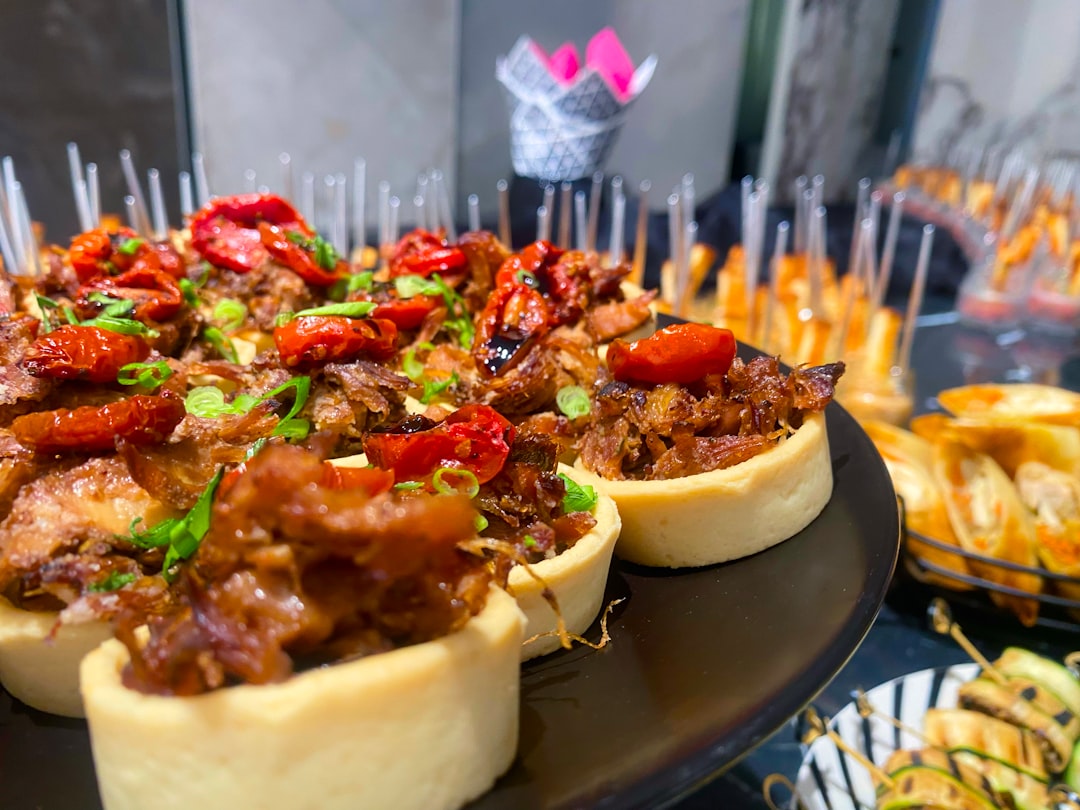
- Hors d’oeuvres/Appetizers: If serving as the main food, budget $30-$70 per person for a substantial selection over a few hours. If just as a prelude to a meal, $15-$30 per person is more typical. The type of appetizers (e.g., passed vs. stationary, hot vs. cold, premium ingredients like shrimp vs. vegetable-based) significantly affects the price.
Dietary Restrictions and Special Requests
Accommodating specific dietary needs (gluten-free, vegan, allergies) often incurs additional costs. Caterers may charge a premium for specialized dishes or separate preparation to avoid cross-contamination. Always communicate these needs upfront and clearly.
Service Style and Staffing
How the food is served is just as important as what’s being served. This dictates the number of staff required.
Buffet Service
Generally less labor-intensive than plated, but still requires staff for setup, replenishment, and clearing. Expect 1 server per 20-30 guests for basic buffet service, increasing if carving stations or more complex food presentations are involved.
Plated (Sit-Down) Service
This is the most labor-intensive and therefore the most expensive. You’ll need more servers – typically 1 server per 10-15 guests, plus additional staff for bartending, bussing, and event management. The higher staff-to-guest ratio drives up labor costs considerably.
Action Stations
Think carving stations, pasta stations, or made-to-order taco bars. These are popular and interactive but require dedicated chefs or staff at each station, adding to the labor budget.
Drop-Off Catering
The most budget-friendly service style. Food is prepared off-site and simply dropped off at your location, usually with minimal setup. You’re responsible for serving and cleanup. Ideal for casual meetings, training sessions, or events with limited budgets and no need for extensive service.
Beverages and Bar Services
Drinks can surprisingly inflate your catering bill. Don’t overlook them!
Non-Alcoholic Beverages
- Basic Package: Water, coffee, tea, soft drinks. Usually $5-$15 per person, often included in basic packages.
- Premium Options: Juices, sparkling water, specialty coffees, mocktails. These can add $5-$15 per person on top of the basic.
Alcoholic Beverages
This is where costs can really skyrocket.
- Beer & Wine Only: $20-$40 per person for a typical 2-3 hour event. This is often the most cost-effective alcoholic option.
- Full Open Bar (Beer, Wine, Spirits): $30-$70+ per person. This is the priciest option due to liquor costs and the need for more skilled bartenders.
- Cash Bar/Ticket System: Where guests pay for their own drinks or are given a limited number of drink tickets. This can significantly reduce your direct cost but might not align with the corporate event’s intended experience.
- Consumption Bar: You pay for what’s consumed. This can be tricky to budget for but might save money if guests drink less than anticipated. Be sure to set limits and discuss tracking with the caterer.
Remember to factor in bartender fees, which are often separate from the beverage cost, and typically run $30-$50 per hour per bartender.
Location, Logistics, and Hidden Fees
It’s not just about the food and service. Where your event is, how it’s managed, and what extra bits you need can all add up.
Venue Considerations
The venue can indirectly impact catering costs.
- On-Site vs. Off-Site Kitchens: If your venue has a full-service kitchen, catering might be smoother and potentially cheaper as caterers don’t need to bring as much equipment. If the venue lacks a kitchen, caterers might charge extra for bringing in portable ovens, refrigeration, and prep stations.
- Venue-Preferred Caterers/Exclusivity: Some venues have exclusive catering contracts, meaning you must use their in-house team or one from a pre-approved list. This can limit your negotiation power. Others might charge a “buy-out” fee if you bring an outside caterer not on their list.
- Delivery and Setup Fees: Caterers charge for transporting food, equipment, and staff to your location, and for the time it takes to set up everything. These fees can range from $50 to several hundred dollars, especially for more remote or challenging locations.
Equipment Rentals
Unless your caterer is fully inclusive, you might need to budget for these.
- Linens, China, Glassware, Flatware: Often included in full-service catering, but for drop-off or more basic packages, these might be extra. Rental costs can be $5-$15 per person depending on the quality and type.
- Tables and Chairs: If the venue doesn’t provide them, you’ll need to rent these, though this is usually handled by the event planner or venue directly, not the caterer.
- Serving Utensils and Display Items: Even for buffet setups, nice chafing dishes, platters, and serving spoons can elevate the presentation. Some caterers include basic options, others charge extra.
Gratuity and Taxes
These are non-negotiables that can add a significant chunk to your final bill.
- Service Charge/Gratuity: Many caterers include a service charge, typically 18-25% of the total bill, which often covers administrative costs and sometimes gratuity for staff. Clarify what this covers. If it’s not specifically for staff gratuity, you should budget an additional 15-20% for tipping the catering team based on good service.
- Sales Tax: Varies by state and locality in the US, but expect to add 5-10% on top of your total catering cost.
Budgeting for Different Event Types
The nature of your corporate event heavily influences catering needs and, thus, the budget.
Meetings and Workshops
For these, functionality and fueling productivity are key.
- Coffee Breaks: $10-$25 per person. Often includes coffee, tea, water, and a light snack like pastries, fruit, or granola bars. Consider offering two breaks for longer sessions.
- Working Lunch: $20-$45 per person. Boxed lunches or a simple buffet are popular. Focus on easy-to-eat items that don’t cause a food coma.
Client Entertainment & Networking Events
These events are about making an impression and facilitating connections.
- Cocktail Receptions: $40-$80 per person (food only), plus an additional $20-$70 per person for drinks. Focus on quality passed appetizers and attractive food stations.
- Formal Dinners: $80-$150+ per person. Plated service with multiple courses is common. Presentation and quality are paramount here.
Employee Appreciation & Holiday Parties
These events aim to reward and celebrate, often with a more festive atmosphere.
- Buffet Dinners: $50-$90 per person. A good balance of variety and cost for larger groups. Can include carving stations for a touch of elegance.
- Themed Events: Cost varies widely based on the theme, but expect to pay more for unique food concepts or elaborate setups.
Conferences and Multi-Day Events
This requires a comprehensive catering plan covering multiple meals and breaks.
- Full-Day Package: Many caterers offer day rates that bundle breakfast, lunch, and a few coffee breaks. Expect $70-$150 per person per day, depending on the complexity of meals. This can often be more cost-effective than booking each meal separately.
- Individual Meal Planning: If you’re building it out piece by piece, use the individual meal estimates above and multiply. Don’t forget evening receptions or dinners for specific groups within the conference.
Smart Strategies to Control Catering Costs
Budgeting for catering can feel like a moving target, but there are definitely ways to keep costs in check without sacrificing quality or guest experience.
Be Flexible with Menu Choices
Don’t go straight for the filet mignon if your budget doesn’t allow it.
- Choose Seasonal Ingredients: Foods in season are often fresher, more flavorful, and less expensive. Your caterer can guide you here.
- Opt for Chicken or Pasta Entrees: These are typically more budget-friendly than beef or seafood.
- Limit Appetizer Selection: Instead of offering 8 different passed hors d’oeuvres, pick 3-4 excellent ones.
- Buffet Over Plated: If the formality allows, buffets generally require less staff and can be more cost-effective than plated meals.
Rethink Your Bar Options
Alcohol is a major cost driver.
- Beer and Wine Only: As mentioned, this is the most significant saving.
- Signature Cocktails: Instead of a full open bar, offer beer, wine, and one or two pre-batched signature cocktails. This limits alcohol choices but can still feel special.
- Limited Open Bar Hours: Offer a full open bar for the first hour, then transition to beer, wine, and soft drinks.
- BYOB (If Venue Allows & Legal): In some private venues, you might be able to purchase alcohol yourself and have the caterer serve it (they might charge a corkage fee). This can save a lot, but check local regulations and venue policies carefully.
Negotiate and Bundle
Don’t be afraid to ask questions and see what’s possible.
- Get Multiple Quotes: Always compare at least three caterers to get a sense of market rates and options.
- Ask About Packages: Caterers often have pre-designed packages that can be more cost-effective than à la carte selections.
- Volume Discounts: For larger events, inquire if there are discounts for higher guest counts.
- Inquire About Inclusions: What’s included in the per-person price? Linens? Basic centerpieces? Water service? Clarify everything to avoid surprises.
- Reuse and Repurpose: For multi-day events, see if coffee stations or snack breaks can be refreshed rather than completely reset each time.
Manage Guest Count Accurately
Overestimating your guest count can lead to significant wasted food and money.
- Strong RSVP Management: Use event management software or clear communication to get an accurate headcount.
- Confirm Final Numbers: Caterers typically require a final headcount (often called a “guarantee”) a week or so before the event. Be as accurate as possible. You’ll usually be charged based on this guarantee, even if fewer guests show up.
By understanding these core cost drivers and employing smart strategies, US businesses can approach corporate event catering with confidence, ensuring a successful event without breaking the bank. It’s about finding the right balance between guest experience, budget, and logistical realities.