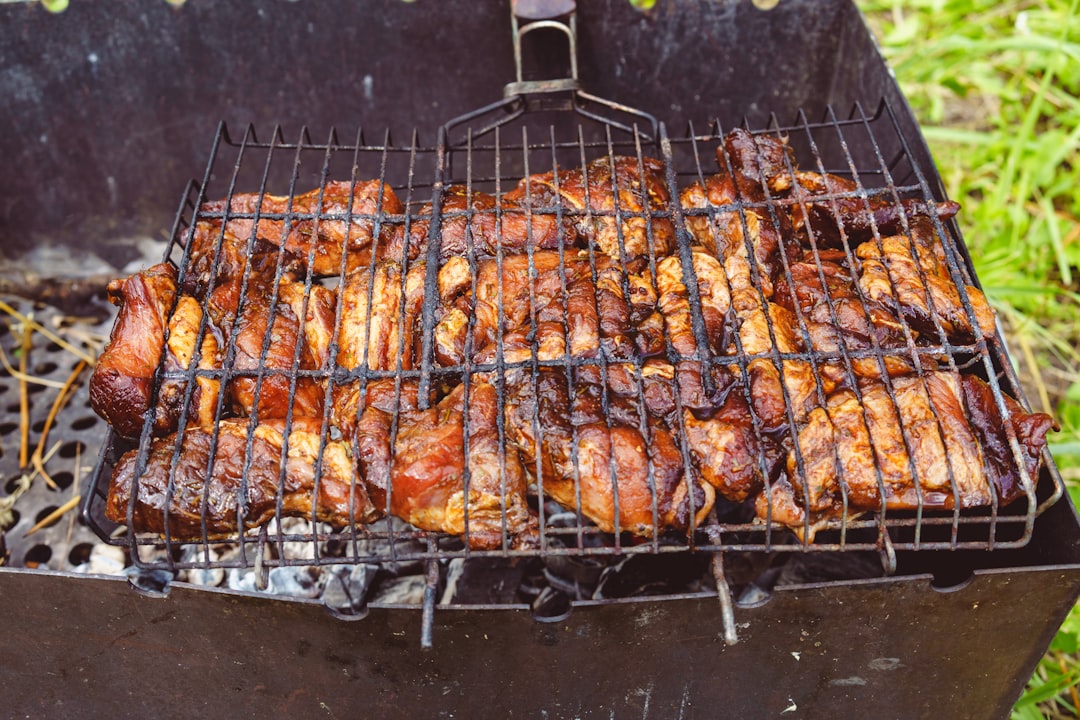
If you’re thinking about having a backyard BBQ catered, you’re probably wondering about the cost. Generally, you can expect to pay anywhere from $25 to $75 per person for a full-service backyard BBQ catering experience. This range depends heavily on factors like the menu, service style, guest count, and any extras you might want. It’s a broad spectrum, but understanding these elements will help you zero in on a more precise figure for your event.
What Goes into Backyard BBQ Catering Costs?
Breaking down the price tag isn’t as simple as one number. Several key factors contribute to the overall cost of your backyard BBQ catering. Understanding these will help you make informed decisions and better manage your budget.
Menu Choices: More Than Just Burgers and Dogs
The food you choose is arguably the biggest driver of cost. While “BBQ” evokes images of certain classics, there’s a huge variety available, each with its own price point.
Protein Selection: From Pulled Pork to Prime Rib
- Economical Options: Think pulled pork, smoked chicken, or hot links. These are generally the most budget-friendly proteins and are fantastic for feeding a crowd without breaking the bank. They’re delicious and classic BBQ staples.
- Mid-Range Meats: Brisket and ribs (pork or beef) fall into this category. Brisket, in particular, requires a long, slow cook and more skill, which translates to a higher price per pound. Ribs also involve a bit more prep and cooking time.
- Premium Proteins: If you’re looking for something a bit more upscale, consider options like tri-tip, prime rib, or even specialty sausages. These will significantly increase your per-person cost but offer a different kind of BBQ experience. Some caterers might even offer grilled salmon or other seafood, which would also be in this higher tier.
Side Dishes: Quantity and Quality Matter
Don’t underestimate the impact of sides. While they often seem secondary, their variety and ingredients can add up.
- Basic Sides: Coleslaw, potato salad, baked beans, and corn on the cob are typical and generally affordable. Most caterers will include a couple of these in their basic packages.
- Premium Sides: Think grilled asparagus, artisanal mac and cheese, smoked gouda grits, or a caprese salad. These utilize more expensive ingredients or require more intricate preparation, pushing up the cost.
- Number of Sides: The more sides you offer, the higher the cost. Often, a package will include 2-3 sides, with additional sides costing extra per person.
Appetizers and Desserts: The “Little” Extras That Add Up
While not strictly “BBQ,” many people want appetizers before the main course and something sweet to finish.
- Simple Appetizers: Chips and dip, veggie platters, or a basic bruschetta are less expensive.
- Heartier Appetizers: Smoked wings, mini pulled pork sliders, or jalapeno poppers are more substantial and will cost more.
- Dessert Options: Cookies and brownies are usually included in basic packages. Fruit cobblers, pies, or individual mini desserts will add to the price. A full dessert bar or custom cake will be a significant upcharge.
Service Style: How Your Food Gets to the Table
The way the food is served also plays a big role in the overall cost. Less labor means less expense for you.
Buffet Style: The Most Common Choice
- Standard Buffet: This is the most popular and often most cost-effective option for BBQ. Food is set up on chafing dishes or warmers, and guests serve themselves. Caterers typically provide serving utensils.
- Staffed Buffet: For a slightly more upscale feel, or to ensure portion control and food safety, you can opt for caterers to staff the buffet line. This adds labor costs but can improve the flow and presentation.
Family Style: Bringing Food to the Table
- Platters at Tables: With this option, large platters of food are brought to each table, and guests pass them around and serve themselves. It offers a more communal and interactive dining experience but often requires more serving staff than a basic buffet.
Plated Service: The Most Expensive Option
- Individual Servings: While less common for casual backyard BBQs, some caterers offer plated service. This is the most labor-intensive and therefore the most expensive option, as each guest’s meal is individually prepared and served to them at their seat. It’s usually reserved for more formal events.
Guest Count: The Per-Person Principle
This one is pretty straightforward: more guests mean a higher total cost. However, there can be some nuances.
Minimum Guest Counts
Most caterers have a minimum guest count they’ll cater for, often ranging from 25 to 50 people. If your guest list falls below this, you might still be charged for the minimum, or the per-person price could be significantly higher to make it worth their time.
Bulk Discounts (Sometimes)
Conversely, for very large events (e.g., 150+ guests), some caterers might offer a slight per-person discount, though this isn’t universally true. It’s always worth asking if you have a big crowd.
Beyond the Food: Other Cost Considerations
The food is central, but there are several other elements that contribute to the final bill. Don’t overlook these when budgeting.
Staffing and Labor: More Than Just the Chef
This can be a significant portion of the cost, especially for full-service catering.
Cooking and Serving Staff
- Grill Masters/Chefs: The people cooking your food. Their skill and experience are factored in.
- Servers: For buffet management, clearing plates, and any drink service.
- Bussers: To help clean up throughout and after the event.
- Bartenders: If you’re offering alcoholic beverages, a separate bartender will be necessary.
Labor Hour Pricing
Caterers typically charge an hourly rate per staff member, often with a minimum number of hours (e.g., 4-5 hours). This covers travel, setup, service time, and breakdown. Expect to pay anywhere from $25-$50 per hour per staff member, depending on their role and the local market.
Equipment Rentals: Don’t Forget the Essentials
Unless your caterer provides absolutely everything, you might need to rent items.
Tables and Chairs
- Guest Seating: If you don’t have enough for everyone, you’ll need to rent tables and chairs.
- Serving Tables: Tables for the buffet setup, drinks, and dessert.
Linens and Tableware
- Tablecloths: Basic disposable ones are cheapest, cloth linens cost more.
- Plates, Cutlery, Glasses: Disposable options are economical, while real china and silverware are more expensive to rent and require more staff to manage.
Heating and Cooling
- Chafing Dishes: To keep food warm on the buffet. Most caterers include this.
- Coolers/Ice: For beverages and keeping cold items fresh.
- Tents: If there’s a chance of rain or you need shade, a tent rental can be a substantial cost.
Travel Fees and Logistics: Getting Them to Your Backyard
Caterers need to get their team and equipment to your location.
Mileage Charges
If you’re outside their standard service radius, expect to pay a mileage fee. This is usually a per-mile charge or a flat fee for distances beyond a certain point.
Setup and Breakdown
While often rolled into the labor cost, some caterers might itemize a separate setup and breakdown fee, especially for complex events. This covers the time and effort required to get everything ready and then packed away.
Permits and Insurance
Depending on your location and the size of your event, certain permits might be required. A reputable caterer should have their own liability insurance, but it’s good to confirm.
Understanding the Quote: What to Look For
When you receive a quote, it’s crucial to understand exactly what you’re getting. Don’t be afraid to ask questions.
Itemized vs. Package Pricing
- Itemized Quotes: These break down every single cost (per protein, per side, staff hours, rentals). This gives you the most transparency and allows you to easily adjust elements.
- Package Pricing: Many caterers offer per-person packages that include a set number of proteins, sides, and maybe some basic service. While seemingly simpler, make sure you know exactly what’s included and what’s extra.
Hidden Fees and Surcharges
Always check for:
- Gratuity/Service Charge: This is often an automatic 18-25% of the total food and beverage cost. It’s for the staff.
- Administrative Fees: Sometimes caterers add a percentage for administrative overhead.
- Sales Tax: This will be added to the total.
- Corkage Fees: If you’re providing your own alcohol and they’re serving it, they might charge a per-bottle or per-person corkage fee.
Deposit and Payment Schedule
- Deposit: Most caterers require a non-refundable deposit (e.g., 25-50%) to secure your date.
- Final Payment: The remainder is typically due a few days or a week before the event, after the final guest count is confirmed.
Tips for Saving Money on Backyard BBQ Catering
While quality comes at a price, there are ways to keep costs in check without sacrificing the fun.
Be Smart About Your Menu
- Choose Economical Proteins: Focus on pulled pork, chicken, and sausages. Offer one premium meat (like brisket) as an option, rather than making it the main protein.
- Limit Side Dishes: Stick to 2-3 well-loved, basic sides. Everyone loves potato salad and coleslaw.
- Skip Fancy Appetizers: Offer a simple snack table (pretzels, nuts) or skip apps entirely.
- Simple Desserts: Cookies, brownies, and fruit are great and budget-friendly.
Opt for Simpler Service
- Buffet Style: This is your best bet for cost savings.
- Self-Serve Drinks: Set up a drink station with coolers of soda, water, and perhaps a large batch cocktail or lemonade. This reduces the need for a dedicated bartender.
- Minimal Staffing: If you’re comfortable with it, have friends or family help with simple tasks like clearing plates or refilling water pitchers. Communicate this with your caterer to see if it reduces their staffing needs.
Borrow or DIY Equipment
- Your Own Tables/Chairs: Use what you have, or ask guests if they can bring a folding chair.
- Personal Decor: Instead of relying on the caterer for decor, use your own backyard items, string lights, or simple floral arrangements.
- Disposable Tableware: While not the most eco-friendly, high-quality disposable plates and cutlery can save significantly on rental and cleaning fees.
Negotiate and Communicate Clearly
- Get Multiple Quotes: Don’t settle for the first quote. Get at least 3-4 from different caterers to compare.
- Be Upfront About Your Budget: Tell caterers your per-person budget. A good caterer will work with you to create a menu that fits.
- Ask for All-Inclusive Pricing: See if they can create a package that includes everything you need at a set price, to avoid surprises.
- Review Everything: Carefully read your contract and invoice before signing or paying. Clarify any item you don’t understand.
Consider Off-Peak Times or Days
- Weekdays or Sundays: Saturdays are prime time for catering. If your event can happen on a weekday evening or a Sunday afternoon, you might find more availability and potentially slightly lower prices from some caterers.
Final Thoughts
Planning a backyard BBQ can be a lot of fun, and having it catered takes a huge load off your shoulders. While the costs can vary, understanding the different components will empower you to make choices that align with your vision and your budget. Don’t be afraid to ask questions, compare quotes, and communicate openly with your chosen caterer. With a bit of planning, you can host a fantastic, delicious, and memorable backyard BBQ without any unwelcome financial surprises.