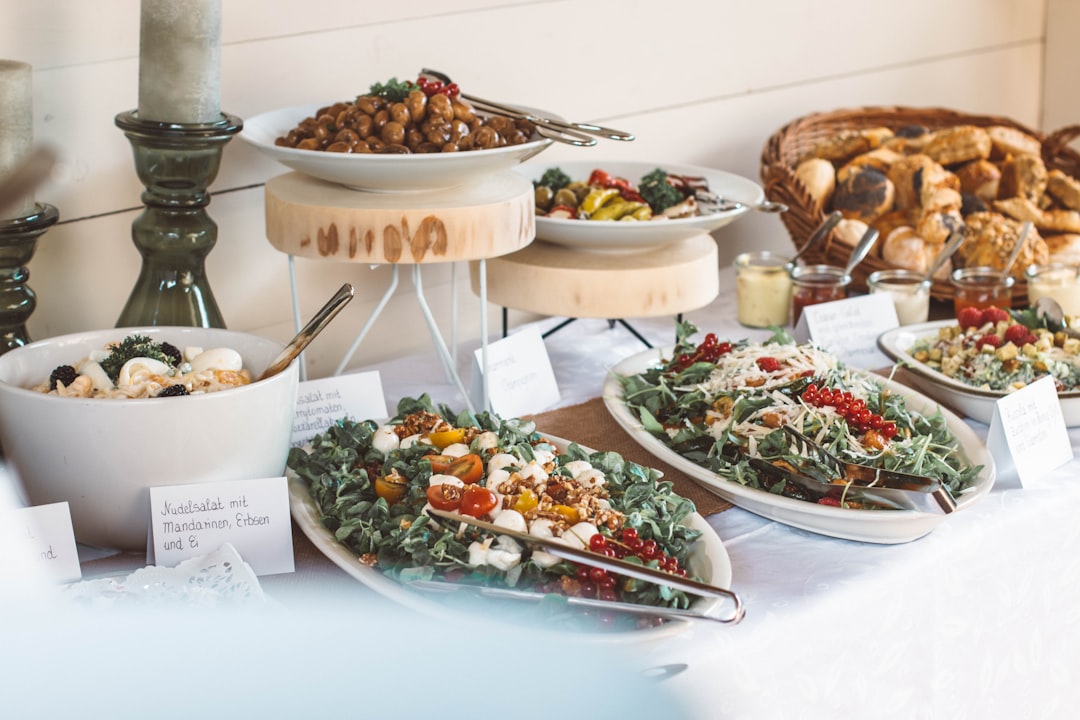
Planning your wedding catering doesn’t have to be a mystery. The quickest answer to “when do I start planning my wedding catering?” is this: begin the serious planning about 9-12 months before your wedding date, with some initial thoughts and venue considerations even earlier. This timeline allows you to secure your preferred vendors, make informed decisions, and avoid last-minute stress.
Even before you’ve picked a caterer, there are some foundational elements that will profoundly impact your catering choices. Thinking about these early will save you headaches later.
Guest Count Estimation
While you won’t have your final RSVP list yet, you need a realistic ballpark number of guests. Are we talking an intimate gathering of 50 or a grand affair of 300? This number dictates everything from the size of your venue to the quantity of food and staff needed, and consequently, your budget. Don’t stress about exact figures; a close estimate is sufficient at this stage.
Budget Allocation for Food & Drink
Catering is often one of the largest wedding expenses, typically accounting for 40-50% of your total wedding budget. Before you even look at menus, sit down and decide what you’re comfortable spending. This isn’t just about the food itself; it includes staff, rentals (linens, flatware, glassware), service charges, and taxes. Having a clear budget range will help you narrow down caterers and avoid falling in love with options you can’t afford.
Venue & Caterer Relationship
This is a big one. Some venues have in-house catering, meaning you’re required to use their services. Others have a list of approved or preferred caterers you must choose from. And then there are venues that allow outside caterers with no restrictions. Understanding your venue’s policy upfront is crucial. If they have in-house catering, you’ll be discussing menus and packages with them. If they have a preferred list, you’ll start reaching out to those specific vendors. If you have full flexibility, the world of caterers is your oyster (pun intended).
Vendor Selection & Initial Planning (9-12 Months Out)
Now that you have a general idea of your guest count, budget, and venue situation, it’s time to start actively looking for and booking your catering team.
Researching & Shortlisting Caterers
Based on your venue’s requirements (in-house, preferred list, or open), start researching caterers. Look at their websites, read reviews, and check out their social media for examples of their work. Pay attention to their culinary style – do they specialize in a particular cuisine? Does their aesthetic match your vision? Create a shortlist of 3-5 caterers that seem like a good fit.
Initial Consultations & Menu Discussions
Reach out to your shortlisted caterers to schedule initial consultations. These are often free and can be done over the phone or video call. During these calls, discuss your vision for the wedding, your estimated guest count, budget, and any dietary restrictions or preferences you and your guests might have. Ask about their packages, what’s included (food, staff, rentals, bar service), and if they offer custom menus. This is your chance to get a feel for their professionalism and responsiveness.
Requesting & Comparing Proposals
After your consultations, caterers should send you detailed proposals. These should outline menu options, pricing breakdowns, included services, and any additional costs. Don’t be afraid to ask for clarification on anything you don’t understand. Compare the proposals not just on price, but also on what’s included, the quality of ingredients, and the overall value. Sometimes a slightly higher price includes better quality ingredients or more comprehensive service.
Booking Your Caterer
Once you’ve compared proposals and feel confident in a particular caterer, it’s time to book them. This usually involves signing a contract and paying a deposit (often 25-50% of the total). Read the contract carefully, paying attention to cancellation policies, payment schedules, and what happens in unforeseen circumstances. Congratulate yourself – you’ve secured a major wedding vendor!
Menu Refinement & Details (4-8 Months Out)
With your caterer booked, you can now dive into the exciting part: refining your menu and planning the specifics.
Scheduling Your Tasting
This is arguably the most enjoyable part of catering planning! Your caterer will schedule a tasting session where you and your partner (and perhaps a key family member) can sample various dishes. This is your opportunity to taste the food, see the presentation, and provide feedback. Don’t be shy about expressing your preferences; this is their chance to impress you and ensure everything is perfect for your day. Take notes, take pictures, and be decisive.
Finalizing Your Menu
Based on your tasting and discussions, finalize your menu. This includes appetizers, main courses (often a choice of two or three, or a buffet spread), sides, and dessert. Consider the flow of the meal, the time of day, and the season. A heavy, rich meal might not be ideal for a summer afternoon wedding, for example.
Dietary Restrictions & Allergies
This is a critical step. Start thinking about potential dietary restrictions and allergies among your guests. While you won’t have all RSVPs yet, you likely know of a few close family members or friends with specific needs (vegetarian, vegan, gluten-free, nut allergies, etc.). Discuss with your caterer how they accommodate these. They should have experience with various dietary needs and be able to offer suitable alternatives.
Bar Service & Drink Selection
Decide on your bar service. Will it be an open bar, cash bar, or a limited selection? Discuss options for alcoholic and non-alcoholic beverages. Consider signature cocktails that reflect your personalities or wedding theme. Clarify who provides the alcohol – some caterers are licensed to do so, others require you to purchase it separately (which can sometimes be a cost-saver).
Rental Needs (If Not Included)
If your caterer doesn’t provide rentals like linens, china, glassware, and flatware, you’ll need to arrange these separately through a rental company. Your caterer can usually advise you on quantities and styles that pair well with their service. If rentals are included, confirm the specific items and styles.
Final Touches & Logistics (2-3 Months Out)
As the wedding approaches, it’s time to tie up loose ends and confirm all the details with your caterer.
Reviewing the BEO (Banquet Event Order)
Your caterer will provide a BEO, which is a detailed document outlining every aspect of their service. This includes the finalized menu, timeline, rental items, staffing, special requests, and payment schedule. Review this document meticulously. This is your last chance to catch any errors or make minor adjustments. Ensure all dietary accommodations are noted.
Final Guest Count & Seating Arrangements
Once your RSVPs are in, provide your caterer with the final guest count. This is crucial for food quantities and staffing. Also, communicate any specific seating arrangements that might impact food service, such as a head table or VIP tables. If you have a seating chart, share it with them.
Final Walkthrough & Venue Logistics
Schedule a final walkthrough at your venue with your caterer (and ideally your wedding planner, if you have one). Discuss kitchen access, power outlets, water sources, where tables will be set up, where the bar will be, and any other logistical considerations. This ensures everyone is on the same page regarding the physical layout and flow of the event.
Confirming Payment Schedule
Review your contract’s payment schedule and make sure you’re aware of any upcoming deadlines. The final payment is typically due a week or two before the wedding.
The Home Stretch & Wedding Day (1 Month Out to Wedding Day)
The final month is about confirmation and handing off responsibilities.
Confirming with Your Caterer
About 2-3 weeks before the wedding, send a final email or have a call with your caterer to confirm all details. This is just a quick check-in to ensure nothing has slipped through the cracks. Re-confirm the final guest count, menu, timeline, and any last-minute adjustments.
Providing On-Site Contact Information
Give your caterer the contact information for your wedding planner or a designated point person for the day of the wedding. You and your partner should be enjoying yourselves, not answering logistical questions.
Preparing for Vendor Meals
Don’t forget to account for vendor meals! Your photographer, videographer, DJ, and wedding planner will be working long hours and need to eat. Discuss with your caterer if they offer a discounted vendor meal rate. Typically, these are simpler meals than what guests receive.
Enjoy Your Delicious Day!
On your wedding day, relax and trust that your caterer has everything under control. You’ve done all the planning and preparations, now it’s time to savor the food, drinks, and company of your loved ones. Make sure to actually eat something; many couples get so caught up in the excitement that they forget!