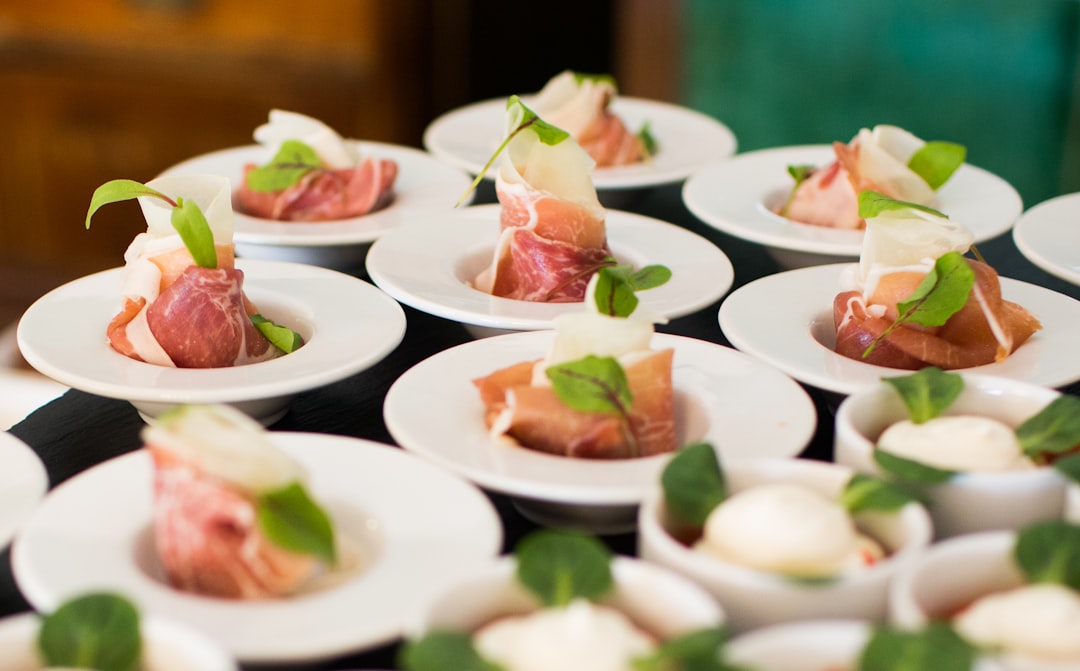
Family-style catering is a fantastic way to bring people together over a meal. Instead of individual plates, food is served on large platters and in bowls placed directly on the table, encouraging guests to pass and share. This creates a relaxed, communal atmosphere, much like a family dinner at home, fostering conversation and connection. It’s a great option for events where you want a more intimate and interactive dining experience than a buffet or plated meal might offer.
Family-style catering isn’t just about how the food is served; it’s about the entire vibe it cultivates. It offers a unique blend of elegance and informality that many other catering styles miss.
Fostering Connection and Conversation
Think about your last big family dinner. People are reaching, sharing, and often sparking conversations about the food itself. “Can you pass the mashed potatoes?” or “You have to try this gravy!” These small interactions are the building blocks of deeper connections. With family-style, there’s a natural rhythm of passing dishes, which encourages guests to engage with those around them, breaking down any initial social barriers. It’s less about polite small talk and more about shared experience.
A Relaxed, Homey Atmosphere
There’s something inherently comforting about a table laden with food, just waiting to be enjoyed. Family-style catering evokes that feeling of a warm, inviting home. It takes away the formality often associated with catered events, making guests feel more at ease and ready to enjoy themselves. It’s a departure from the “performance” of a plated meal where everyone is served at once, and a step towards a more organic, unscripted dining experience.
Greater Variety and Personal Choice
One of the often-overlooked benefits is the sheer variety it offers. Instead of committing to one entrée and two sides, guests can sample a little of everything. This is especially great for picky eaters, those with dietary restrictions (when clearly labeled), or simply those who enjoy exploring different flavors. It empowers guests to build their own plate, choosing portions and combinations that appeal most to them, much like a well-curated buffet but with the added convenience of not having to leave their seat.
Planning Your Family-Style Menu: Getting it Right
The menu is the heart of any catered event, and with family-style, certain considerations come into play to ensure a smooth and enjoyable experience for everyone.
Dishes that Shine in Sharing
Not all dishes are created equal when it comes to family-style service. You want items that hold up well at room temperature for a little while, are easy to portion, and look appealing in larger serving vessels. Think about dishes that are naturally hearty and satisfying.
- Roasts and Carved Meats: A beautifully roasted chicken, a slow-cooked pork shoulder, or a succulent beef tenderloin carved at the table (or just before being brought out) makes a stunning centerpiece and is easy to serve in individual portions.
- Hearty Sides: Roasted vegetables like potatoes, carrots, or Brussels sprouts, various grain salads (quinoa, farro), pasta dishes, or a classic mac and cheese are always popular choices that hold their warmth and appeal.
- Elevated Salads: Move beyond a simple garden salad. Consider options with interesting textures and flavors, like a caprese salad, a kale and roasted sweet potato salad, or a mixed green salad with a variety of toppings and a dressing served on the side.
- Artisan Breads and Spreads: A selection of fresh breads, focaccia, or rolls with flavored butters, olive oil, or dips like hummus or tapenade are perfect for sharing and provide a lovely accompaniment.
Balancing Flavors and Dietary Needs
When planning your menu, aim for a good balance of flavors and textures. Don’t make everything heavy and rich, nor everything light and delicate. Include a mix of savory, sweet, acidic, and umami notes.
- Variety of Profiles: Offer dishes with different flavor profiles. If you have a rich beef dish, pair it with a bright, acidic salad. If one side is creamy, another could be crunchy.
- Clear Labeling for Allergens: This is crucial. Work with your caterer to ensure that every dish is clearly labeled with common allergens (gluten, dairy, nuts, etc.). Even better, have a vegetarian, vegan, or gluten-free option available for each course where possible, or ensure there are enough naturally compliant dishes for guests with restrictions.
- Consider Pescatarian or Vegan Options: It’s always a good idea to include at least one non-meat protein option, whether it’s a baked salmon, a hearty lentil dish, or a flavorful tofu preparation, to cater to a wider range of preferences.
The Practicalities: Making it Work Smoothly
While family-style offers a wonderful aesthetic, there are some logistical points to consider to ensure everything runs without a hitch.
Table Setup and Space Requirements
This is where family-style differs most significantly from other service styles. You need more room on the tables themselves.
- Table Size: Rectangular tables often work best, as they provide more surface area for platters down the center. If using round tables, they might need to be larger than standard sizes to accommodate both the serving dishes and individual place settings.
- Serving Vessels: Consider the size and style of the serving dishes. They should be attractive, easy to handle, and appropriate for the amount of food they will hold. Your caterer will usually provide these.
- Centerpieces: Keep centerpieces minimal or narrow. Tall, elaborate arrangements will get in the way of passing food and block sightlines. Opt for low-lying floral arrangements, candles, or runners that leave ample space for the food.
Staffing and Service Flow
Even though guests are serving themselves, a good catering team is essential for family-style.
- Replenishment: Servers are key for bringing out fresh platters as dishes run low, ensuring a continuous flow of food. No one wants to be stuck with the last spoonful of mashed potatoes.
- Clearing: Staff will also be responsible for clearing empty dishes and used plates throughout the meal, keeping the table tidy and functional.
- Assistance: Guests might occasionally need help with a carving knife, or someone to explain the dishes. Servers should be present and attentive without being intrusive.
- Water and Drinks: Drinks service remains largely the same, with servers taking drink orders and refilling water glasses, allowing guests to focus on the food.
Portion Control and Waste Management
One common concern with family-style is portion control. It’s true that some guests might take more than their share, or conversely, be too polite to take enough.
- Strategic Platter Sizes: Your caterer will plan this, but generally, they will send out platters with enough food for a specific number of people (e.g., a platter for 6-8 guests). This encourages guests to take reasonable portions.
- Frequent Replenishment: As mentioned, having fresh platters brought out regularly helps prevent one person from hoarding the last of a dish and ensures everyone gets a chance to try everything.
- Dessert Service: While main courses shine family-style, dessert is often best served individually plated or as a buffet. This helps manage portions for sweets and can add a nice final touch of elegance without logistical headaches.
The Aesthetic Appeal: Beyond Just Food
Family-style dining isn’t just about the food; it’s about the visual feast and the overall ambiance.
Beautiful Presentation Matters
Because the food is on display for the entire meal, presentation is paramount.
- Garnish and Color: Dishes should be thoughtfully garnished with fresh herbs, citrus slices, or vibrant drizzles that add visual appeal. Think about contrasting colors on the plate.
- Serving Ware: The serving dishes themselves contribute to the aesthetic. Rustic pottery, elegant porcelain, or sleek modern platters can all enhance the overall look depending on your event’s theme.
- Layering and Height: Food can be arranged artfully on platters, sometimes with layers or slight height variations to make it more visually interesting.
Enhancing the Ambiance
The way the food is presented directly influences the feeling of the event.
- Warmth and Abundance: A table filled with beautiful, abundant food immediately conveys warmth and generosity. It makes guests feel valued and well-cared for.
- Cohesive Theme: Family-style naturally lends itself to a variety of themes, from rustic farm-to-table to elegant garden party. The serving dishes and food choices can be tailored to reinforce your chosen aesthetic, creating a truly immersive experience.
When Family-Style Might Not Be the Best Fit
While family-style is fantastic, it’s not a one-size-fits-all solution. There are situations where another service style might be more appropriate.
Very Large Groups
For events with hundreds of guests, family-style can become logistically challenging. The sheer volume of dishes, the need for frequent replenishment, and the space required on tables can be overwhelming. Buffets or plated meals often scale better for extremely large numbers.
Formal Events with Strict Timelines
If your event has a very rigid schedule and needs to move quickly from one point to the next, plated service might be more efficient. Family-style naturally encourages a more leisurely pace, which is part of its charm, but might not suit a tightly controlled formal dinner.
Limited Table Space
As discussed, family-style needs generous table space. If your venue has smaller tables or you’re trying to maximize guest count in a confined area, you might find yourself sacrificing comfort for the aesthetic.
Ultimately, family-style catering offers a delightful and memorable way to feed your guests. It’s an investment in creating an intimate, interactive, and truly communal dining experience that goes beyond simply eating a meal. When done well, it’s a feast for the senses and a catalyst for connection.