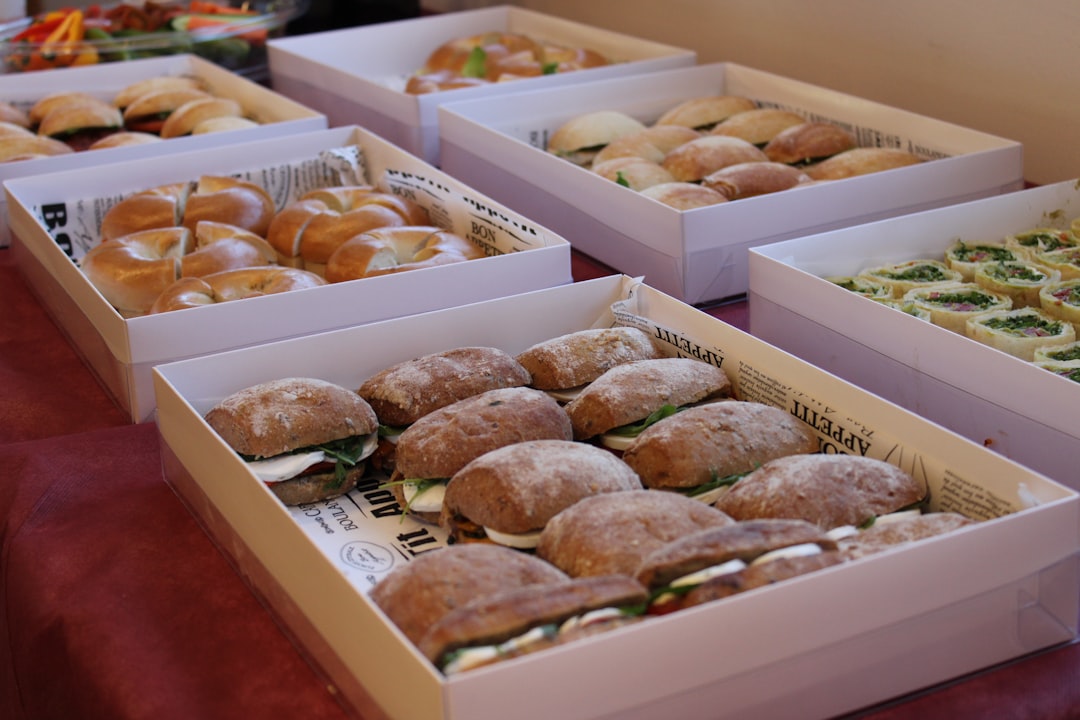
Navigating lunch for a busy corporate team can feel like a logistical puzzle, especially when deadlines loom and meetings are packed. The good news is, boxed lunch catering is a super practical solution that can save you time, reduce stress, and keep everyone fueled and happy. Think of it as a convenient way to bring delicious, individual meals right to your office, letting your team focus on work without worrying about where their next meal is coming from.
Let’s be honest, finding time to coordinate lunch for a group can be a chore. Ordering for everyone, dealing with individual dietary needs, and figuring out payment can eat up valuable time. Boxed lunches cut through all that. Each person gets their own pre-portioned meal, minimizing confusion and making it easy for everyone to grab and go or enjoy at their desk. It’s about efficiency and making things straightforward.
Saving Precious Time
When your team is in the thick of a project or has back-to-back meetings, every minute counts. Instead of sending someone out to pick up food or waiting for a large catering order to be served, boxed lunches are ready to be distributed as soon as they arrive. This means less disruption to the workday and more time for actual productive work. It’s a small change that can have a surprisingly big impact on your team’s flow.
Catering to Diverse Needs
One of the biggest headaches with group meals is accommodating everyone’s preferences and dietary restrictions. With boxed lunches, this is handled upfront. You can typically order a variety of options, from vegetarian and vegan to gluten-free and allergen-conscious. This ensures that everyone on your team, regardless of their dietary needs, has a delicious and safe meal waiting for them. No more awkward conversations or last-minute substitutions.
Budget-Friendly and Predictable
When you’re planning an event or just a regular team lunch, knowing the cost upfront is essential for budgeting. Boxed lunches often come with clear pricing per person, making it easy to manage expenses. This predictability helps prevent unexpected costs and allows you to allocate your budget more effectively. It’s a straightforward way to provide a good meal without breaking the bank.
Boosting Team Morale and Productivity
A well-fed team is generally a happier and more productive team. When your team feels taken care of, even with something as simple as lunch, it shows you value their well-being. Providing a convenient and tasty meal removes a small but significant stressor, allowing them to concentrate better and feel more energized. It’s a practical way to demonstrate appreciation and support.
Types of Boxed Lunch Options You’ll Find
The world of boxed lunches has really expanded beyond just a basic sandwich. Caterers now offer a surprisingly diverse range of options to suit different tastes and occasions. You can go for classic comfort food, lighter fare, or something a bit more adventurous. The key is to explore what’s available and match it to your team’s general preferences.
The Classic Sandwich and Wrap Box
This is probably the most common and often the most reliable option. Think a variety of gourmet sandwiches and wraps with different fillings like roasted turkey and swiss, grilled chicken Caesar, or a hearty veggie wrap. They usually come with a side, like chips, a small salad, or a piece of fruit, and sometimes a cookie or brownie for a sweet finish.
Popular Fillings and Combinations
- Turkey Club: A timeless favorite with turkey, bacon, lettuce, tomato, and mayo on toasted bread.
- Roast Beef and Cheddar: Simple yet satisfying, often with horseradish sauce.
- Chicken Caesar Wrap: Grilled chicken, romaine lettuce, Parmesan cheese, and Caesar dressing all rolled up.
- Veggie Delight: Hummus, cucumber, bell peppers, spinach, and feta on whole wheat bread or in a wrap.
- Tuna Salad/Chicken Salad: Classic options, always a hit for those who enjoy them.
Considerations for Bread and Wraps
- Bread Types: White, wheat, sourdough, ciabatta, baguette – offer a few choices if possible.
- Wrap Options: Flour, spinach, or whole wheat tortillas provide variety.
- Presentation: Nicely wrapped or presented in individual boxes makes them feel more premium.
Salad Boxes for Lighter Fare
If your team prefers something lighter or is more health-conscious, salad boxes are an excellent choice. These aren’t your average side salads; they’re substantial meals packed with protein, grains, and fresh vegetables. Many caterers offer a range of dressing options on the side, so individuals can customize their salads to their liking.
Hearty Salad Options
- Cobb Salad: Mixed greens topped with grilled chicken, bacon, hard-boiled egg, avocado, blue cheese, and a vinaigrette.
- Quinoa and Black Bean Salad: A vegan-friendly option with quinoa, black beans, corn, bell peppers, cilantro, and a lime dressing.
- Mediterranean Salad: Romaine lettuce with grilled chicken or chickpeas, olives, feta cheese, cucumber, tomatoes, and a lemon-herb dressing.
- Salmon Caesar Salad: A twist on the classic with grilled salmon, romaine, Parmesan, croutons, and Caesar dressing.
Dressing Choices and Add-ons
- Popular Dressings: Vinaigrette, Caesar, ranch, blue cheese, balsamic, honey mustard.
- Protein Add-ons: Grilled chicken, salmon, shrimp, tofu, chickpeas for extra substance.
- Grain Add-ons: Quinoa, farro, or brown rice can make salads more filling.
Hot Meal Boxes for Heartier Cravings
For days when your team needs something warm and comforting, hot meal boxes are a fantastic option. These can range from pasta dishes and stir-fries to more traditional entrees. They’re often packaged in microwave-safe containers, allowing for easy reheating if needed, though many are designed to be enjoyed at room temperature as well.
Entree Ideas
- Pasta Primavera: Penne or rotini with fresh seasonal vegetables in a light marinara or alfredo sauce.
- Chicken Teriyaki with Rice: Tender chicken breast in a teriyaki glaze served with steamed white or brown rice.
- Beef and Broccoli Stir-fry: Sliced beef and crisp broccoli florets in a savory stir-fry sauce, typically served with rice.
- Shepherd’s Pie: A comforting classic with seasoned ground beef and vegetables topped with mashed potatoes.
- Lasagna or Baked Ziti: Italian favorites that are always a crowd-pleaser.
Sides to Complement Hot Meals
- Garlic Bread or Dinner Rolls: Perfect for sopping up extra sauce.
- Steamed Vegetables: Broccoli, green beans, or a mixed vegetable medley.
- Rice Pilaf or Mashed Potatoes: Classic starchy sides.
Bento Box Style for Variety
Bento boxes offer a fun and curated selection of items within a single container, often mimicking the Japanese bento style. This means you get a mix of different elements, providing a little bit of everything. It’s a great way to offer a balanced meal with a bit of visual appeal.
What’s Typically Included
- Main Item: Could be a smaller portion of a sandwich, a protein like grilled chicken skewers, or a vegetarian option.
- Sides: A small portion of salad, fruit salad, pasta salad, or rice.
- Snack: A handful of nuts, a piece of cheese, or a small dessert like a cookie or mochi.
- Garnish: Sometimes includes pickles, olives, or a small side of dip.
Benefits of the Bento Approach
- Variety: Offers multiple food components in one box.
- Portion Control: Helps keep individual servings balanced.
- Visual Appeal: Often presented in an attractive and organized manner.
Customizable Meal Boxes for Ultimate Flexibility
The best catering services understand that one size doesn’t fit all. Many now offer truly customizable boxed lunch options, allowing you to build a meal from the ground up. This is ideal if you have a team with very specific tastes or if you want to create a unique experience.
Building Your Own Box
- Choose Your Base: Sandwich, wrap, salad, or a grain bowl.
- Select Your Protein: Chicken, beef, turkey, fish, tofu, beans.
- Pick Your Sides: Chips, fruit, salad, soup, pasta salad.
- Add a Dessert: Cookie, brownie, fruit.
- Specify Dietary Needs: Clearly mark any allergies or restrictions.
When to Opt for Full Customization
- Special Events: For important client lunches or celebrations where you want something unique.
- Teams with Complex Dietary Needs: When a standard menu just won’t cut it.
- Ensuring Maximum Satisfaction: If you want to guarantee everyone gets exactly what they want.
Finding the Right Caterer for Your Team
Choosing a caterer is more than just picking a menu. You want someone reliable, who understands corporate needs, and who can deliver quality food consistently. It’s worth doing a little digging to find a partner that fits your team’s rhythm.
Research and Recommendations
Start by asking colleagues or other businesses in your area for recommendations. Online reviews and local directories can also be helpful. Look for caterers who specialize in corporate events or boxed lunches.
Where to Look
- Industry Websites and Blogs: Often feature local catering companies.
- Online Review Platforms: Yelp, Google Reviews, etc.
- Referrals: Ask your network for trusted vendors.
What to Look For in Reviews
- Consistency of Quality: Do reviewers consistently praise the food and service?
- Reliability: Are there comments about punctuality and order accuracy?
- Customer Service: How do they handle inquiries and issues?
Assessing Menu Variety and Flexibility
Does the caterer offer a good range of options that will appeal to your team? Can they accommodate dietary restrictions easily? A caterer with a flexible menu that can be customized is always a plus.
Key Menu Considerations
- Dietary Options: Vegetarian, vegan, gluten-free, dairy-free, nut-free availability.
- Cuisine Types: Italian, Mexican, American, Asian – a diverse offering is good.
- Seasonal Specials: Do they update their menu based on what’s fresh?
Handling Special Requests
- Allergen Information: How clearly is this provided?
- Customization Options: Can you swap out ingredients or build your own box?
Delivery Logistics and Reliability
For boxed lunches, timely delivery is crucial. You don’t want your team waiting around for their food. Inquire about their delivery windows, geographical coverage, and any associated fees.
Delivery Specifics
- Delivery Zones: Do they deliver to your office location?
- Delivery Times: What are their available windows? Can they accommodate specific drop-off times?
- Minimum Order Requirements: Are there any for delivery?
- Setup/Distribution: Do they help with setting up the lunch area or distributing the boxes?
Backup Plans
- What happens if they are late or an order is incorrect? A good caterer will have a plan in place.
Budget and Value
Get a clear understanding of pricing, including any delivery fees, service charges, or taxes. Compare quotes from a few different caterers to ensure you’re getting good value for your money.
Understanding Pricing
- Per-Person Cost: Is it all-inclusive or are there separate charges?
- Hidden Fees: Delivery, setup, service charges, taxes.
- Package Deals: Are there discounts for larger orders or regular clients?
Getting the Most for Your Money
- Bulk Discounts: For large teams.
- Regular Client Benefits: Some caterers offer loyalty programs.
- Seasonal Promotions: Keep an eye out for deals.
Making the Order Process Smooth
Once you’ve chosen a caterer, the ordering process itself should be straightforward. A good caterer will have clear systems in place to ensure accuracy and efficiency.
Providing Clear Instructions
When placing your order, be as specific as possible. This includes quantities, dietary needs, any special requests, and the exact delivery address and time. Double-checking everything before submitting is key.
Essential Information to Provide
- Date and Time of Delivery: Be precise.
- Delivery Address: Include suite or floor number.
- Contact Person: Name and phone number for the day of delivery.
- Order Breakdown: Specify quantities for each menu item and any customization.
- Dietary Restrictions: Clearly list them for each relevant item or individual.
Confirming the Order
- Verbal Confirmation: Briefly go over the order details with the caterer.
- Written Confirmation: Request an email or PDF confirming all details.
Handling Dietary Needs and Allergies
This is where clear communication is absolutely vital. Make sure the caterer understands the severity of any allergies and how they label their food.
Best Practices for Allergies
- Communicate Directly: Speak to a manager or the person responsible for special orders.
- Labeling: Ensure each box is clearly labeled with the intended recipient’s name and any allergen information.
- Cross-Contamination: Ask about their procedures to prevent cross-contamination.
Vegetarian, Vegan, and Other Preferences
- Specific Labels: Clearly mark vegetarian, vegan, or other common preferences.
- Variety within Categories: Offer a few different options within vegan or vegetarian choices if possible.
Payment and Invoicing
Understand the caterer’s payment terms upfront. Will they invoice your company, or do they require payment upon ordering or delivery? Clarify this to avoid any surprises.
Payment Options
- Credit Card: Most common for initial orders.
- Company Check: Often available for established accounts.
- Purchase Orders (POs): If your company uses a PO system.
- Online Payment Portals: Some caterers have their own.
Invoicing Procedures
- When to Expect Invoice: Immediately after delivery or at the end of the month?
- Payment Due Date: Standard net 30 terms or otherwise.
The Day of Lunch: What to Expect
When the day arrives, the goal is a seamless lunch experience. Knowing what to look for and how to handle the delivery can make all the difference.
Receiving the Delivery
When the caterer arrives, be ready to receive the order. Have a designated person or team available to accept the food and check that the order is correct.
The Delivery Check-in
- Verify Quantities: Quickly count the boxes to ensure they match your order.
- Check for Damage: Ensure boxes are intact and food hasn’t been mishandled.
- Confirm Special Requests: Spot-check that any specific dietary boxes are accounted for.
Designating a Receiving Area
- Clear Space: Have a table or area ready for the delivery.
- Point Person: Assign someone to be the main contact for the delivery driver.
Distributing the Boxes
With individual boxed lunches, distribution is usually simple. You can either let individuals pick up their own box, or have a few team members help hand them out.
Efficient Distribution Strategies
- Table Setup: Arrange boxes on a table, perhaps sorted by dietary needs if possible.
- Team Lead Distribution: Have managers or team leads distribute to their direct reports.
- “Grab and Go” Stations: Set up a central point where people can pick up their assigned lunch.
Managing Leftovers or Issues
- Storage: Have a plan for any extra food or items that need to be refrigerated.
- Problem Solving: If there’s an issue (e.g., missing item, incorrect box), contact the caterer immediately.
Post-Lunch Cleanup
Most boxed lunch catering services are designed for minimal cleanup. The individual boxes are often recyclable or compostable, and the caterer usually takes back any serving platters or equipment they provided.
Making Cleanup Easy
- Recycling/Composting: Have designated bins available.
- Trash Disposal: Ensure ample trash cans are accessible.
- Caterer Pickup: Confirm if the caterer will pick up any reusable items.
Beyond the Basic: Enhancing Your Boxed Lunch Experience
While a simple boxed lunch is great, you can take it a step further to really impress your team and make it a more enjoyable experience. These small touches can elevate a standard lunch into something memorable.
Adding Extra Touches
Sometimes, it’s the little things that make a big difference. Consider adding a small treat, a branded item, or a personalized note to each box.
Small Additions
- A Sweet Treat: A cookie, brownie, or piece of fruit.
- Branded Items: A company pen, small notebook, or sticker.
- Personalized Notes: A short, encouraging message can go a long way.
- Beverages: Water bottles, sparkling water, or juice boxes.
The Impact of Presentation
- Neat Packaging: Ensure boxes are clean and well-presented.
- Napkins and Utensils: Make sure these are included, especially for hot meals.
Seasonal and Themed Lunches
Tying your boxed lunches into a holiday, a company milestone, or a seasonal theme can add an element of fun and excitement.
Themed Ideas
- Holiday Specials: Special menus for Christmas, Thanksgiving, or national holidays.
- “Taco Tuesday” or “Pasta Wednesday”: Dedicate a day to a specific cuisine.
- Healthy Eating Week: Focus on nutritious and fresh options.
Benefits of Theming
- Builds Excitement: Makes lunch feel like more of an event.
- Shows Creativity: Demonstrates thoughtful planning beyond just food.
Offering Drink Options
Don’t forget the beverages! While many boxed lunches might include a standard water bottle, offering a wider selection can be appreciated.
Beverage Choices
- Water: Still, sparkling, or flavored.
- Juices: Orange, apple, cranberry.
- Sodas: Regular and diet options.
- Iced Tea or Coffee: Depending on the time of day and preference.
Smart Ordering for Drinks
- Variety Packs: Caterers can often provide a mix of popular beverages.
- Ask Preferences: If possible, survey your team on their preferred drinks.
By now, you should have a pretty solid understanding of how boxed lunch catering can be a game-changer for your busy corporate team. It’s all about practicality, efficiency, and making sure everyone gets a good, reliable meal without adding extra stress to your workday.