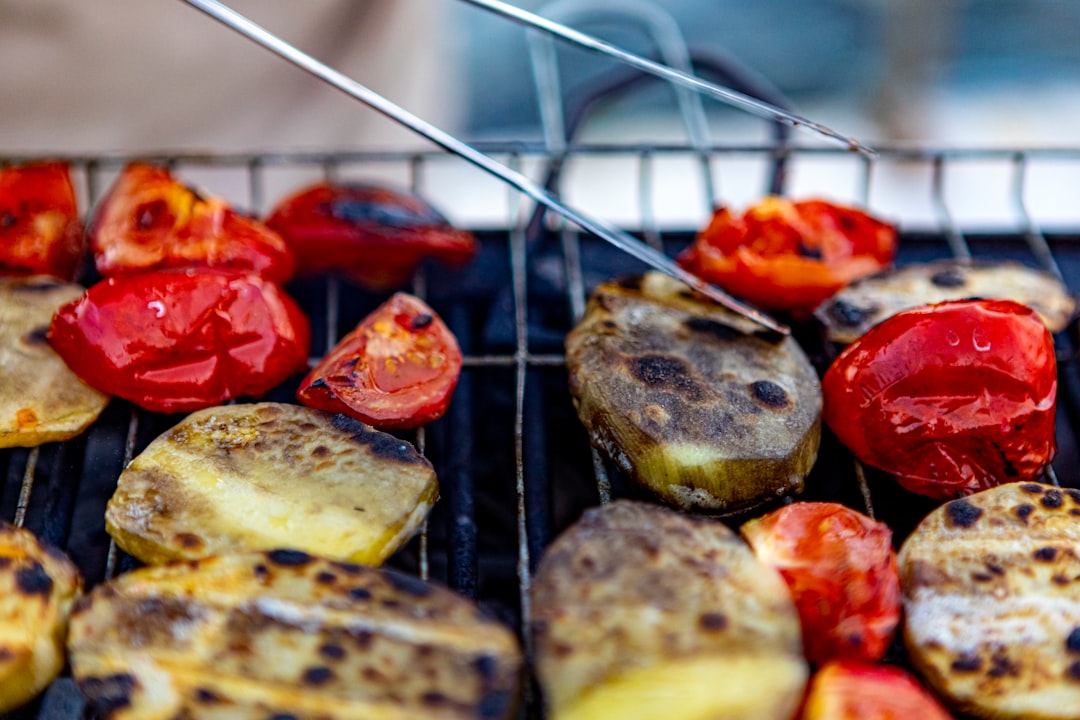
Planning an outdoor BBQ for Memorial Day or the 4th of July can be a fantastic way to celebrate, but it also means a lot of moving parts. Whether you’re thinking of hiring a caterer or planning to do it all yourself, the key to a successful event is good planning and anticipating potential hiccups.
Getting Started: Deciding What Kind of BBQ You Want
Before you even start thinking about food or guest lists, take a moment to consider the vibe of your BBQ. This initial thought process will guide almost every other decision you make. Are you aiming for a relaxed, backyard potluck feel, or a more structured, catered affair?
The DIY Approach: Fun but Demanding
Doing it yourself can be incredibly rewarding, especially if you love to cook and host. It offers maximum control over the menu and budget. However, it also means you’re the one doing all the shopping, prepping, cooking, serving, and cleaning. For a large gathering, this can be exhausting.
Knowing Your Limits
Be honest with yourself about how much you can realistically handle. If you have a 50-person guest list, trying to grill 50 burgers and a dozen racks of ribs on your own might be pushing it, especially if you also want to enjoy your own party.
Delegating Smartly
If you opt for DIY, don’t be afraid to ask for help! Assign specific dishes to trusted friends or family members. A friend might be a whiz at making potato salad, or another might be happy to bring a dessert. This lightens your load considerably.
Hiring a Caterer: Convenience is Key
For many, especially for larger events, hiring an outdoor BBQ caterer is the way to go. It allows you to be a guest at your own party, focusing on conversations and enjoying the company rather than being stuck behind a grill.
When to Book
Outdoor BBQ catering is in high demand for these holidays. Seriously, book as early as possible. Think months in advance, especially if you have a specific caterer in mind or a large number of guests. You don’t want to be scrambling at the last minute.
Understanding Catering Packages
Caterers often offer different packages. Some are all-inclusive, covering food, drinks, staff, and even rentals like tables and chairs. Others might just focus on the food, leaving you to handle the rest. Make sure you understand exactly what’s included in their quote.
Choosing the Right Caterer: Beyond the Menu
Finding a caterer is more than just picking someone who makes good ribs. It’s about finding a reliable partner who understands your vision and can execute it flawlessly.
Research and Recommendations
Start by asking friends, family, or neighbors for recommendations. Local community groups online can also be a great resource. Once you have a few names, dive into their online presence. Look at their websites, social media, and any online reviews.
Red Flags to Watch For
Be wary of caterers with very few reviews or only overwhelmingly positive, generic reviews. Check for reviews that mention responsiveness, professionalism, and how they handled any issues that might have arisen.
Tasting is Crucial
If you’re serious about a caterer, most will offer tastings. This is your chance to sample their signature dishes and discuss your menu in detail. It’s also a good way to gauge their communication style and professionalism.
Questions to Ask During a Tasting
Don’t just eat and nod. Ask about ingredient sourcing, how they handle dietary restrictions, and their typical service style. This is also a good time to discuss potential menu tweaks.
Discussing the Menu: Tailoring to Your Taste
Once you’ve narrowed down your choices, it’s time to talk turkey – or rather, brisket and pulled pork. The menu is the heart of any BBQ, and for a holiday, you want it to feel special but also accessible.
Classic BBQ Staples
You can’t go wrong with the classics. Think smoky pulled pork, tender brisket, juicy grilled chicken, and a variety of burgers and hot dogs. These are crowd-pleasers for a reason.
Sides That Shine
The sides are just as important as the main event. Classic BBQ sides include coleslaw, potato salad, mac and cheese, cornbread, and baked beans. Think about variety in texture and flavor – something creamy, something crunchy, something with a bit of a tang.
Catering to Dietary Needs
This is a non-negotiable. You must ask your caterer about how they handle vegetarians, vegans, gluten-free guests, and anyone with allergies. A good caterer will have dedicated options or be able to adapt their menu.
Vegetarian and Vegan Options
Don’t assume a salad is enough. Think grilled portobello mushrooms, vegetable skewers, hearty bean burgers, or even a plant-based “pulled pork” alternative.
Gluten-Free Considerations
Many BBQ staples, like buns and some sauces, can contain gluten. A caterer should be able to provide gluten-free buns and ensure sides are prepared without cross-contamination.
Drinks and Desserts
Don’t forget about beverages! Water, iced tea, lemonade, and perhaps some craft sodas are essential. For desserts, think along the lines of fruit pies, cobblers, or even s’mores kits if you have a fire pit.
Logistics and Setup: The Backbone of a Smooth Event
Once the food is sorted, the real work of planning the physical event begins. This is where many DIY hosts get overwhelmed, and where a good caterer shines.
Space Planning and Layout
Think about the flow of your party. Where will people congregate? Where will the food be served? Where are the trash and recycling bins? A good layout minimizes bottlenecks and keeps the party moving.
Food Stations
Consider setting up different food stations, especially for larger crowds. A grilling station, a side dish station, and a dessert station can help distribute guests and reduce lines.
Seating Arrangements
Ensure you have enough seating for everyone. This doesn’t mean every guest needs a formal chair at a table. Variety is good – picnic tables, lounge areas with comfortable seating, and even just some blankets on the grass can work.
Weather Preparedness
Outdoor events are always at the mercy of the weather. Have a backup plan.
Rain or Shine Contingency
This is crucial. What happens if it rains? Do you have a covered patio or the ability to move some activities indoors? A good caterer will have experience with this and can advise.
Shade and Sun Protection
On hot days, ample shade is essential. Think tents, umbrellas, or utilizing natural shade from trees. Providing sunscreen and bug spray can also be a thoughtful touch.
Staffing Needs
Even if you’re not hiring a full-service caterer, you might need some help.
Server vs. Buffet Style
Buffet style is common for BBQs, but it can get chaotic with many guests. Consider if you’ll have a designated person to serve guests at the buffet to keep it moving and tidy.
Bartending and Drink Service
If you’re serving alcohol, consider hiring a bartender. This not only ensures responsible service but also frees you up.
Waste Management
This is often overlooked but is critical for a clean and enjoyable event.
Trash and Recycling Bins
Place bins strategically throughout the event area. Clearly label them to encourage proper sorting.
Cleanup Crew
Whether it’s hired help or willing friends, have a plan for post-event cleanup. This includes clearing tables, packing leftovers, and taking out the trash. A caterer should handle all of their own equipment and waste.
Budgeting for Your BBQ Bash
Both DIY and catered BBQs require careful budgeting. You want to throw a great party without breaking the bank.
DIY Budgeting: The Hidden Costs
When you DIY, it’s easy to underestimate the total cost. Beyond the main ingredients, think about:
- Paper goods and disposables: Plates, cups, napkins, cutlery.
- Condiments and sauces: Ketchup, mustard, BBQ sauce, relish.
- Ice and coolers: Essential for keeping drinks and food cold.
- Fuel for the grill: Propane or charcoal.
- Decorations: Tablecloths, banners, serving dishes.
- Beverages: Alcohol, sodas, juices.
Catered BBQ Budgeting: Understanding the Quote
When you receive a quote from a caterer, break it down.
- Per-person cost: This is usually the primary figure.
- Service fees: These can include setup, breakdown, and cleanup.
- Staffing costs: If you’re hiring servers, bartenders, or event managers.
- Rental fees: For tables, chairs, linens, or serving ware.
- Delivery and setup fees: Especially if the venue is far or requires complex setup.
- Taxes and gratuity: Don’t forget to factor these in.
Negotiating with Caterers
Don’t be afraid to discuss your budget with your caterer. They might be able to suggest alternative menu items or service levels to fit your price range. Sometimes, adjusting the guest count slightly can impact the per-person cost.
Contingency Fund
Always set aside a small percentage of your budget for unexpected expenses. This could be last-minute ice needs, an extra guest, or a rental item you forgot.
Day-Of Execution: Making It All Happen
The big day is here! This is when all your planning comes to fruition.
Pre-Event Checklist
A few days before, confirm everything with your caterer, do final grocery shopping (if DIY), and start prepping any dishes that can be made ahead.
Final Confirmations
Call your caterer to confirm arrival times, setup locations, and any last-minute details.
Food Prep
If you’re DIYing, start making side dishes that hold well, like potato salad or coleslaw. Chop veggies for skewers or grilling.
On the Day of the Event
- For DIY: Get your grill ready well in advance. Set up serving areas and drink stations.
- For Catered: Greet the catering team upon arrival, show them where you’d like everything set up, and be available for any questions.
Managing the Flow
Even with a caterer, you’re the host.
Guest Welcome and Mingling
Make sure your guests feel welcomed and know where to find food and drinks.
Addressing Issues Promptly
If something isn’t quite right – a spill, a missing item, or a guest with a question – address it quickly and calmly. This is where your contingency plan and a good caterer are lifesavers.
Enjoying Your Party
This is the most important tip. You’ve done all the hard work. Now, relax, mingle with your guests, and enjoy the fruits of your labor. A well-planned BBQ, whether DIY or catered, is a fantastic way to celebrate.