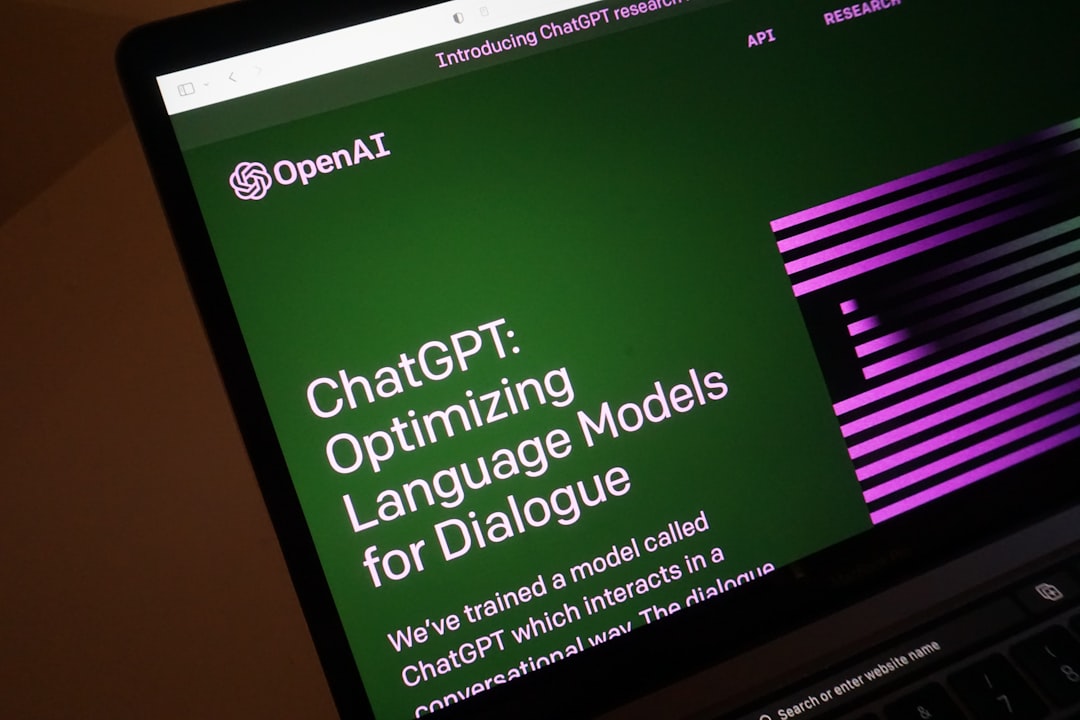
Yes, you absolutely can use ChatGPT for content creation, and it can be a real game-changer for many types of tasks. Think of it less as a replacement for human creativity and more as a powerful assistant that can help you brainstorm, draft, and refine various forms of content, making your workflow significantly more efficient.
Before you dive in, it’s helpful to frame ChatGPT correctly. It’s not a magic bullet that will write perfect, publish-ready content without any input from you. Instead, view it as a sophisticated tool that can process natural language and generate text based on the instructions you give it. Your role is still crucial: providing clear prompts, guiding its output, and ultimately, editing and fact-checking its creations.
Beyond the Buzzwords: What ChatGPT Actually Does Well
ChatGPT excels at generating text, rephrasing statements, summarizing information, and even crafting creative pieces. It’s particularly good for tasks that are repetitive, require a lot of initial drafting, or need different angles explored quickly. It can help overcome writer’s block and speed up the initial phases of content production.
It’s Not a “Set it and Forget it” Tool
Remember, ChatGPT learns from vast amounts of internet data. This means while it’s knowledgeable, it can also sometimes reproduce common biases, generate inaccurate information, or sound a bit generic if not guided properly. Always double-check facts, refine the tone, and infuse your unique brand voice into anything it produces.
Brainstorming and Idea Generation
One of the most immediate benefits of ChatGPT is its ability to help you brainstorm. Stuck on a topic? Need fresh angles for an old subject? ChatGPT can be a great sounding board.
Generating Blog Post Ideas
Instead of staring at a blank screen, ask ChatGPT to give you some ideas.
- Example Prompt: “Give me 10 blog post ideas about sustainable living for busy professionals.”
- Example Prompt: “Generate a list of unique article topics related to advanced cybersecurity for small businesses.”
Developing Content Outlines
Once you have a general topic, ChatGPT can help structure your thoughts.
- Example Prompt: “Create a detailed outline for a blog post titled ‘The Ultimate Guide to Remote Work Productivity’.”
- Example Prompt: “Provide an outline for an email newsletter series on personal finance for beginners, covering 5 issues.”
Exploring Different Angles
If you have a core message but aren’t sure how to present it, ChatGPT can offer various perspectives.
- Example Prompt: “Suggest three different angles for a social media campaign promoting a new eco-friendly cleaning product.”
- Example Prompt: “Give me some emotional hooks for a landing page about stress management for new parents.”
Drafting Content Efficiently
This is where ChatGPT truly shines: helping you produce initial drafts quickly, saving you significant time.
Writing Blog Post Sections
You can ask ChatGPT to write specific sections of a blog post, article, or even an entire draft that you can then refine.
- Example Prompt: “Write an introductory paragraph for a blog post about the benefits of mindful meditation.”
- Example Prompt: “Draft a section for a travel guide discussing the best places to eat street food in Bangkok.”
Crafting Social Media Updates
For platforms like Twitter, LinkedIn, Instagram, or Facebook, ChatGPT can generate various copy options.
- Example Prompt: “Write 5 short social media posts to announce a new webinar on SEO best practices. Include relevant hashtags.”
- Example Prompt: “Generate three Instagram captions for a photo of a new coffee shop, focusing on a cozy vibe.”
Producing Email Subject Lines and Body Copy
Email marketing can be time-consuming; ChatGPT can help with both the catchy parts and the informative parts.
- Example Prompt: “Suggest 10 compelling subject lines for an email announcing a 20% off sale on winter clothing.”
- Example Prompt: “Write a short email body introducing a new product feature for a software tool, highlighting its main benefit.”
Generating Video Scripts
Even for video content, ChatGPT can help outline scenes and dialogue.
- Example Prompt: “Create a short script for a 60-second explainer video about how cloud storage works.”
- Example Prompt: “Draft a YouTube intro for a video reviewing the latest smartphone model.”
Refining and Improving Existing Content
ChatGPT isn’t just for starting from scratch; it’s excellent for making your existing content better.
Rewriting and Rephrasing
If a sentence or paragraph isn’t quite right, or if you need to avoid plagiarism, ChatGPT can help you reword it.
- Example Prompt: “Rewrite this paragraph to be more concise: [Paste your paragraph here].”
- Example Prompt: “Rephrase this sentence in a more active voice: ‘The report was written by the marketing team.'”
Summarizing Long Texts
Need a quick summary of a long article or document? ChatGPT can condense information for you.
- Example Prompt: “Summarize this article in three key bullet points: [Paste article text here].”
- Example Prompt: “Provide a brief abstract for this research paper: [Paste paper content].”
Adjusting Tone and Style
If your content sounds too formal, too casual, or just not quite right, ask ChatGPT to adjust it.
- Example Prompt: “Rewrite this product description to sound more enthusiastic and playful: [Paste description].”
- Example Prompt: “Take this technical explanation and simplify it for a general audience: [Paste explanation].”
Checking for Grammar and Spelling (with caution)
While it’s good, don’t rely solely on ChatGPT for proofreading. It can catch obvious errors but might miss nuances.
- Example Prompt: “Check this text for any grammatical errors and suggest improvements: [Paste text].”
SEO and Keyword Integration
ChatGPT can assist with making sure your content is discoverable, but remember it’s a tool to support your SEO strategy, not replace it.
Identifying Related Keywords
While not a dedicated keyword research tool, ChatGPT can suggest related terms.
- Example Prompt: “Suggest long-tail keywords related to ‘vegan baking recipes for beginners’.”
- Example Prompt: “What are some common questions people ask about ‘hybrid car maintenance’?”
Optimizing Existing Content for Keywords
You can provide a piece of content and ask ChatGPT to integrate specific keywords naturally.
- Example Prompt: “Integrate the keywords ‘eco-friendly packaging’ and ‘sustainable shipping’ into this product description: [Paste description].”
- Example Prompt: “Rewrite this blog post paragraph to naturally include ‘AI content generation tools’: [Paste paragraph].”
Generating Meta Descriptions and Titles
ChatGPT can help craft compelling snippets for search engines.
- Example Prompt: “Write 3 meta descriptions for a blog post titled ‘The Future of Remote Work: Trends to Watch in 2024’.”
- Example Prompt: “Suggest 5 SEO-friendly titles for an article about ‘budget travel tips for Europe’.”
Best Practices for Effective Prompting
The quality of ChatGPT’s output heavily depends on the quality of your input (your “prompt”). Think of it as guiding a very intelligent, but literal, assistant.
Be Clear and Specific
Don’t just say “write a blog post.” Tell it what the blog post is about, who the audience is, what tone you want, and what length you’re aiming for.
- Instead of: “Write a social media post.”
- Try: “Write a short, engaging Instagram caption (under 100 words) for a new artisanal coffee blend called ‘Morning Bliss.’ Focus on its rich flavor and ethically sourced beans. Include 2-3 relevant hashtags.”
Provide Context
The more background information you give, the better the output will be.
- Example: “Our company sells organic skincare products. We’re launching a new moisturizer geared towards people with sensitive skin in their 30s and 40s. Write three unique selling propositions (USPs) for this product.”
Define the Desired Format
Tell ChatGPT how you want the information presented.
- Example: “List 5 bullet points…” or “Create a two-paragraph response…” or “Format this as a table with columns for…”
Specify Tone and Style
Want friendly? Professional? Humorous? Let it know.
- Example: “Write a welcoming introduction to our newsletter, using a friendly and slightly informal tone.”
- Example: “Create a persuasive call to action for our donation page, maintaining a respectful and urgent tone.”
Give Examples (Few-Shot Prompting)
If you have a particular style in mind, show ChatGPT an example.
- Example: “I want a product description in a quirky, whimsical style, similar to this: [Paste example of quirky description]. Now, write one for our new scented candle, ‘Forest Nymph’.”
Iterate and Refine
Don’t expect perfection on the first try. If the output isn’t quite right, tell ChatGPT what to change.
- Example: “That’s good, but make it shorter.”
- Example: “Can you rephrase the second paragraph to be more direct?”
- Example: “Add a call to action at the end.”
The Human Element: Always Essential
Even with the most advanced AI, the human touch remains irreplaceable in content creation.
Fact-Checking and Accuracy
ChatGPT can (and sometimes does) “hallucinate” information, meaning it makes things up that sound plausible but are incorrect. Always verify any facts, statistics, or claims it generates.
Infusing Brand Voice and Personality
While ChatGPT can mimic tones, it doesn’t truly understand your brand’s unique personality or your specific audience in the same way a human does. Always review and edit to ensure the content aligns perfectly with your brand voice.
Ethical Considerations and Originality
Be mindful of intellectual property. While ChatGPT generates original text, it’s synthesizing information it has learned. It’s your responsibility to ensure the content is original and doesn’t infringe on copyrights. Using AI as a starting point and heavily editing it is generally a safe approach.
Strategic Oversight
ChatGPT is a tool for execution. The overall content strategy, understanding market needs, identifying audience pain points, and making high-level editorial decisions still require human intelligence and creativity.
By treating ChatGPT as a highly capable assistant rather than a fully autonomous content generator, you can leverage its power to significantly enhance your content creation process, save time, and overcome creative hurdles, ultimately producing more and better content.