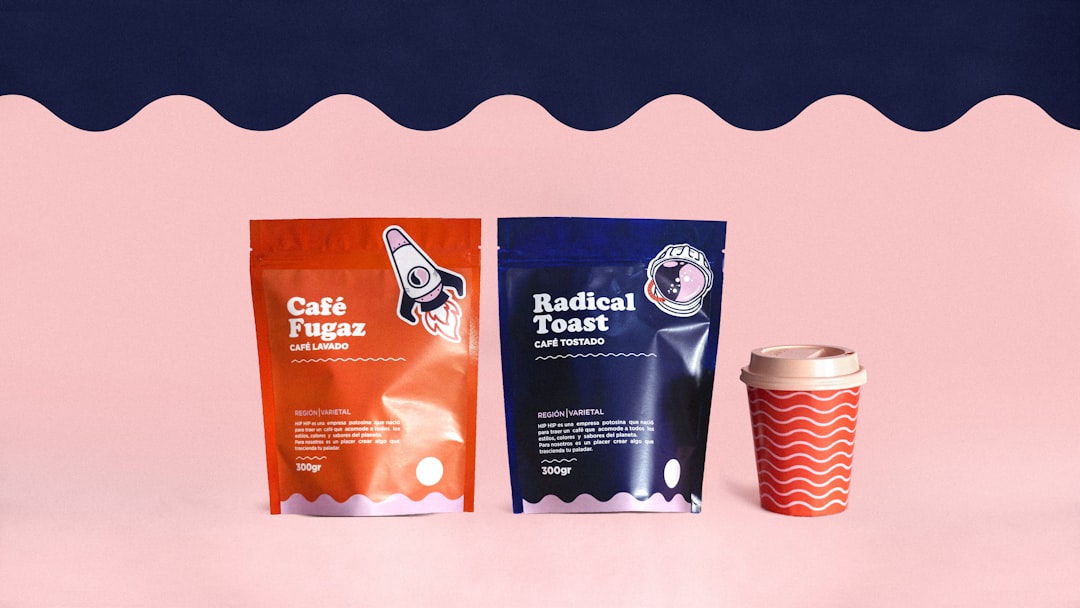
So, you want to build a strong brand identity? In a nutshell, it’s about defining who your brand is, what it stands for, and how you want to be perceived by the world. It’s not just a logo or a catchy slogan; it’s the sum of all the experiences and perceptions people have when they interact with your business. Think of it as your brand’s personality, its unique fingerprint in the marketplace. Getting this right is crucial because a strong brand identity fosters trust, builds loyalty, and ultimately drives success.
Before you even think about colors or fonts, you need to dig deep into what your brand is all about. This isn’t just a mission statement locked away on a company intranet; it’s the heartbeat of your operation.
What’s Your “Why”?
This is your foundational question. Why does your brand exist? What problem are you solving for your customers? What passion drives you? Understanding your “why” gives everything else meaning and direction. It’s what differentiates you from competitors who might offer similar products or services. For example, a coffee shop’s “why” might not just be to sell coffee, but to create a welcoming community hub.
Define Your Values
What principles guide your brand’s decisions and actions? Are you all about innovation, sustainability, affordability, or top-notch customer service? These values should be authentic and reflect the true spirit of your organization. They’ll influence everything from your marketing messages to how you treat your employees and customers. If one of your values is transparency, for instance, then hiding information from your customers would contradict your brand.
Know Your Audience Inside Out
Who are you trying to reach? You can’t appeal to everyone, and trying to will only dilute your message. Create detailed buyer personas – fictional representations of your ideal customers. Think about their demographics, psychographics, pain points, aspirations, and online behaviors. The more you know about them, the better you can tailor your brand identity to resonate specifically with their needs and desires. This isn’t just about age and income; it’s about understanding their world.
Crafting Your Brand’s Narrative
Humans connect with stories. Your brand needs one too. This narrative isn’t a dry list of facts; it’s an engaging tale that explains your journey, your purpose, and your vision.
Develop Your Brand Story
Every brand has a story, whether it’s a fledgling startup or a long-established enterprise. What’s the origin story of your brand? What challenges have you overcome? What kind of transformation do you aim to bring to your customers’ lives? This narrative should be authentic, compelling, and consistent across all touchpoints. It’s not about making stuff up; it’s about highlighting the genuine journey and purpose that led to your brand’s existence.
Articulate Your Unique Selling Proposition (USP)
What makes you stand out from the crowd? Why should someone choose your brand over a competitor’s? This isn’t just about being “better”; it’s about being different in a meaningful way. Your USP should be clear, concise, and compelling. It could be superior quality, a unique feature, exceptional customer service, or a particular philosophical approach. For instance, a clothing brand’s USP might be ethical sourcing and sustainable production, not just fashionable designs.
Define Your Brand Voice and Tone
How does your brand “speak”? Is it friendly and casual, authoritative and professional, witty and playful, or something else entirely? Your brand voice should be consistent across all communications, from your website copy to your social media posts and customer service interactions. The tone might shift slightly depending on the context (e.g., more serious for a crucial announcement, more lighthearted for a blog post), but the underlying voice should remain steadfast. Think about the personality you want to project.
Designing Your Visual Identity
Now we get to the more tangible elements, but remember, these visuals are extensions of your core identity, not the starting point.
Create a Memorable Logo
Your logo is often the first visual representation of your brand. It needs to be simple, versatile, memorable, and timeless. It should ideally convey something about your brand’s essence without being overly complicated. Consider how it will look in various sizes and across different mediums, from a billboard to a tiny app icon. Investing in professional design here is almost always a good idea. A poorly designed logo can actually detract from your brand’s credibility.
Choose Your Color Palette Wisely
Colors evoke emotions and associations. Red can signify passion or urgency, blue trustworthiness and calm, green nature and growth. Your color palette should align with your brand’s personality and values. Use a limited set of primary and secondary colors to maintain consistency. Think about the psychological impact of colors and how they will be perceived by your target audience. For example, a financial institution would likely avoid bright, “playful” colors.
Select Appropriate Typography
The fonts you use communicate a lot about your brand. Serif fonts (with small decorative lines at the end of strokes) tend to feel more traditional and authoritative, while sans-serif fonts are often seen as modern and clean. Choose fonts that are legible, reflect your brand’s personality, and are used consistently across all your materials. Don’t use too many different fonts; typically, one or two primary fonts and perhaps an accent font are sufficient.
Develop Consistent Imagery and Iconography
Whether it’s photos, illustrations, or icons, the visual style should be consistent. If your brand is playful, use bright, imaginative illustrations. If it’s serious and professional, use crisp, focused photography. Ensure that all visual assets contribute to the overall brand impression. This includes how product photography is shot, the style of any graphics you use in your content, and the overall aesthetic of your website and marketing materials.
Building Brand Recognition and Trust
Once you have your identity defined, the real work begins: consistently putting it out into the world and making sure people recognize and trust it.
Consistent Application Across All Channels
This is where many brands stumble. A strong brand identity requires relentless consistency. Your logo, colors, voice, and messaging must be uniform wherever your brand appears – on your website, social media, advertisements, packaging, email signatures, physical storefronts, and even how your customer service team answers the phone. Any deviation can confuse your audience and weaken your brand’s impact. Use brand guidelines to ensure everyone involved knows the rules.
Deliver on Your Brand Promise
Your brand isn’t just what you say it is; it’s what you do. If you promise innovation, you must consistently deliver innovative products or services. If you promise exceptional customer service, your team must provide it every single time. A disconnect between your brand’s promise and its actual delivery quickly erodes trust and damages your reputation. This is the bedrock of long-term brand loyalty.
Engage and Interact Authentically
Building trust is a two-way street. Don’t just broadcast; listen and engage with your audience. Respond to comments and feedback, participate in relevant conversations, and show that there’s a human element behind your brand. Authenticity means being true to your values and voice, even when facing challenges or criticism. People can spot insincerity a mile away, and it’s a quick way to lose their confidence.
Protecting and Evolving Your Brand
A strong brand isn’t a static entity; it needs to be nurtured and occasionally adapted.
Obtain Trademarks and Copyrights
Legally protect your brand’s name, logo, and other unique elements. This prevents others from copying your identity and confusing your customers. It’s a crucial step to safeguard the investment you’ve made in building your brand. Consult with legal professionals to understand the specifics of trademarking and copyright in your region and industry.
Monitor Your Brand’s Perception
Pay attention to what people are saying about your brand online and offline. Use social listening tools, conduct surveys, and track reviews. This feedback is invaluable for understanding how your brand identity is being received and whether any adjustments are needed. Being proactive here can help you address potential issues before they become major problems.
Be Open to Evolution (Within Reason)
While consistency is key, brands aren’t carved in stone. As your business grows, your audience shifts, or market trends change, your brand identity might need subtle refinements or even a complete refresh. This isn’t about changing your core values, but about ensuring your identity remains relevant and appealing. A rebrand should always be carefully considered and executed, building on the strengths of your existing identity rather than simply starting from scratch. Think about slight logo modernizations or an updated color palette that stays true to the original feel.
Creating a strong brand identity is an ongoing journey, not a destination. It requires deep introspection, creative execution, relentless consistency, and a genuine commitment to living up to your brand’s promise. When done well, it transforms your business from just another vendor into a recognized, trusted, and even beloved entity in the minds of your customers.