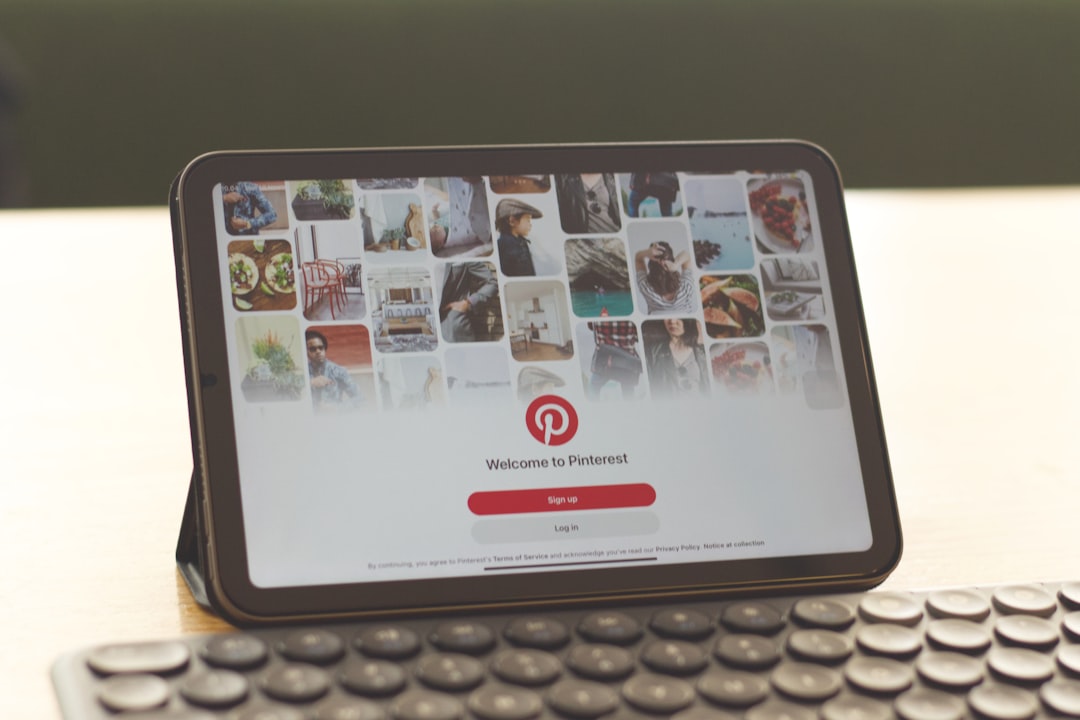
So, you’re wondering if you can actually make money on Pinterest without being glued to it 24/7? The short answer is yes, it’s definitely possible to build passive income streams on Pinterest, but it’s not exactly a “set it and forget it” magic bullet. Think of it more like planting seeds – you put in some strategic work upfront, and then with consistent effort and smart choices, those seeds can grow into an income that keeps coming back to you with less hands-on management. It takes time, a bit of creativity, and some understanding of how the platform works.
Understanding Pinterest’s Passive Income Potential
Pinterest isn’t just a place for inspiration or planning your next vacation; it’s a visual search engine. People go there with intent, looking for solutions, ideas, and products. This user behavior is what makes it a powerful platform for generating passive income.
It’s Not Instant Gratification
Let’s be clear from the start: you won’t wake up tomorrow with a pile of passive income just because you started pinning. Building a successful passive income strategy on Pinterest is a marathon, not a sprint. It requires consistent effort to create valuable content, build an audience, and establish your affiliate links or digital products.
The Core Mechanism: Traffic Generation
At its heart, passive income on Pinterest relies on driving traffic to offers that convert. These offers could be your own digital products, affiliate products from other companies, or even your blog posts that are monetized with ads. The “passive” part comes in once that initial setup is done and your pins are consistently getting clicks.
Why Pinterest is Different from Other Platforms
Unlike social media platforms focused on real-time interaction, Pinterest is more about discovery and evergreen content. Pins can have a very long shelf life, meaning a pin you created months or even years ago can still drive traffic and sales today. This longevity is key to its passive income potential.
Monetization Strategies That Work Passively
The “passive” in passive income on Pinterest often means automating or leveraging existing content to generate sales with less direct daily involvement. It’s about setting up systems that work for you.
Affiliate Marketing: Your First Step
This is one of the most popular and accessible ways to earn passive income on Pinterest. You promote products and earn a commission on sales made through your unique affiliate links.
Choosing the Right Niche and Products
The key here is to pick a niche you’re genuinely interested in and knowledgeable about. This will make creating content more enjoyable and authentic. Then, find affiliate programs that offer products relevant to that niche. Think about what problems your audience has and what solutions you can offer. High-quality, reputable products are essential for long-term success and trust.
Creating Shoppable Pins and Rich Pins
Pinterest offers features like shoppable pins and rich pins that make it easier for users to discover and purchase products directly from the platform. Shoppable pins allow you to tag products with prices, and rich pins pull in extra information from your website, such as product details or recipe ingredients. This streamlines the user experience and can lead to higher conversion rates.
Strategic Pinning of Affiliate Offers
Don’t just spam your affiliate links. Create visually appealing pins that offer value. This could be a tutorial, a product review, a curated list of items, or a style guide. Your pins should answer a question, solve a problem, or inspire an idea, with the affiliate product being the natural solution.
Selling Your Own Digital Products
If you have creative skills or expertise, creating and selling your own digital products takes the passive income game to the next level.
Types of Digital Products to Consider
Think about what you can create digitally. This could include:
- Ebooks and Guides: Offer in-depth information on a topic you’re an expert in.
- Printables: Planners, checklists, worksheets, wall art – these are popular for many niches.
- Templates: Social media templates, resume templates, website templates.
- Online Courses or Workshops: Break down your knowledge into a structured learning experience.
- Preset Packs: For photographers or content creators.
Designing Pins for Your Products
Your pins are your billboards. They need to be eye-catching and clearly communicate what your product is and the benefit it offers. Use mockups to showcase your digital products and create pins that tell a story or highlight a pain point your product solves.
Using Pinterest for Product Launches or Evergreen Sales
You can use Pinterest for timed product launches, creating buzz and urgency. However, the real magic for passive income lies in creating evergreen content that continuously drives traffic to your products year-round.
Blog Monetization Through Pinterest Traffic
If you have a blog, using Pinterest to drive traffic to your blog is a fantastic way to generate passive income through ads, affiliate links embedded in your posts, or even promoting your own products.
Creating “Lead Magnet” Pins
Offer free valuable content through pins that lead to a downloadable resource on your blog (a lead magnet). This could be a checklist, a short guide, or a template. In exchange for the download, you collect email addresses, building an email list you can later monetize.
Driving Traffic to Monetized Blog Posts
Create pins that tease the content of your blog posts. If you have a post reviewing products, a recipe with a list of ingredients, or a listicle of tips, create visually engaging pins that encourage clicks. Once they’re on your blog, they can be exposed to ads or your own affiliate links.
The Power of Evergreen Blog Content
Focus on creating blog content that remains relevant over time – “evergreen content.” This ensures your Pinterest traffic doesn’t dwindle as trends change. Think DIY tutorials, foundational knowledge in your niche, or timeless advice.
Building Your Pinterest Presence for Passive Income
It’s not enough to just start pinning. You need to build a strategic presence that attracts the right audience and encourages conversions.
Understanding Pinterest SEO
Pinterest is a visual search engine, so Search Engine Optimization (SEO) is crucial. Keywords are incredibly important for getting your pins seen by the right people.
Keyword Research for Pins and Boards
Think like a user. What terms would someone type into the Pinterest search bar to find what you’re offering? Use these keywords in your pin titles, descriptions, and on your board titles and descriptions. Tools like Pinterest’s own search bar suggestions or third-party keyword research tools can be helpful.
Crafting Compelling Pin Titles and Descriptions
Your titles and descriptions need to be informative and intriguing. Use your target keywords naturally, but also focus on enticing users to click. Highlight the benefit or solution the pin offers.
Board Organization and Strategy
Your boards are like curated collections that help users navigate your content and understand your niche.
Creating Niche-Specific Boards
Don’t create boards that are too broad. Instead, create specific boards that cater to different aspects of your niche. For example, if you’re in the home decor niche, you might have boards for “Modern Farmhouse Kitchens,” “Boho Living Room Ideas,” or “Small Space Organization.”
Utilizing Board Descriptions Effectively
Just like pin descriptions, board descriptions should be keyword-rich and explain what users can expect to find on that board. This helps Pinterest categorize your content and also helps users decide if your board is relevant to them.
Pin Design Best Practices
Visuals are king on Pinterest. Your pins need to stand out in a crowded feed.
Optimal Pin Dimensions and Formatting
Pinterest recommends vertical pins, typically 2:3 aspect ratio (e.g., 1000 pixels wide x 1500 pixels tall). Consistent branding with fonts and colors helps users recognize your pins.
Creating High-Quality, Engaging Graphics
Use clear, high-resolution images or graphics. Text overlays should be easy to read. Consider creating multiple pin designs for the same piece of content to test what works best. Think about what would stop someone mid-scroll.
Optimizing for Long-Term Passive Income
Once you have your foundation, it’s about refining your strategy to ensure it continues to generate income with minimal ongoing effort.
The Power of Evergreen Content Creation
As mentioned before, evergreen content is your best friend for passive income. Focus on creating pins and blog posts that remain relevant and valuable over time.
Identifying Evergreen Topics in Your Niche
What information is always needed? What problems are constantly being solved? These are your evergreen topics. Think foundational skills, timeless advice, or enduring trends.
Repurposing Content for Longevity
Don’t let good content go to waste. Repurpose blog posts into multiple pins, break down in-depth guides into smaller, shareable infographics, or create video pins that explain a concept.
Scheduling and Consistency
While the goal is passive income, consistency in pinning is still important, especially in the beginning and for maintaining momentum.
Leveraging Pinterest’s Native Scheduler
Pinterest has a built-in scheduler that allows you to plan and schedule your pins in advance. This is crucial for maintaining a consistent presence without having to be online all the time.
Utilizing Third-Party Scheduling Tools
There are also many third-party tools (like Tailwind, for example) that offer more advanced scheduling, analytics, and content curation features, which can further automate your pinning strategy.
Analyzing Your Performance
You can’t improve what you don’t measure. Regularly checking your Pinterest analytics is essential for understanding what’s working and what’s not.
Understanding Key Pinterest Analytics
Pay attention to metrics like impressions, saves, outbound clicks, and conversions. Understand which pins are driving the most traffic and which pins are leading to sales or affiliate clicks.
Iterating Based on Data
Use your analytics to inform your content strategy. If certain types of pins perform exceptionally well, create more of them. If a particular product isn’t selling, re-examine your promotion strategy or consider offering something else.
Advanced Strategies for Scaling Passive Income
Once you’ve got a good handle on the basics, you can explore ways to scale your Pinterest passive income further.
Building an Email List Through Pinterest
This is a powerful strategy that moves beyond direct Pinterest sales. Offering valuable freebies (lead magnets) via enticing pins can encourage users to sign up for your email list.
Creating Irresistible Lead Magnets
Your freebie needs to be genuinely valuable and directly related to your niche and what you offer. A well-designed checklist, a short ebook, or a template can be excellent incentives.
Designing Pins That Encourage Sign-Ups
Your pins should clearly communicate the benefit of downloading your lead magnet. Use compelling copy and visuals that highlight what users will gain.
Collaborating with Other Pinners
Partnering with other creators can expand your reach and introduce your offers to a new audience.
Joint Board Opportunities
Consider collaborating on shared boards that align with your niches. This can expose your content to your collaborator’s audience and vice-versa.
Cross-Promotion Strategies
Explore opportunities to cross-promote each other’s content or products. This could involve guest posting on each other’s blogs or featuring each other’s affiliate offers in a curated way.
Diversifying Your Income Streams
Don’t put all your eggs in one basket. While Pinterest is a great traffic driver, having multiple income streams originating from that traffic makes your passive income more robust.
Exploring Different Affiliate Networks
Beyond the obvious marketplaces, look for smaller, niche-specific affiliate programs. Sometimes these offer better commission rates or products that are more unique.
Developing Complementary Digital Products
If you’re selling planners, perhaps you can create a course on how to use them effectively. Or if you’re in the recipe niche, a digital cookbook might be a natural fit.
Pinterest can absolutely be a source of passive income, but it requires a strategic approach, consistent effort in the beginning, and a commitment to understanding your audience and the platform. It’s about building a system that attracts people looking for solutions and then guiding them towards offers that provide those solutions. Treat it as a long-term investment in your online presence, and the passive income rewards can be well worth the effort.
FAQs
What is passive income on Pinterest?
Passive income on Pinterest refers to earning money through the platform by creating and sharing content that generates revenue without requiring ongoing, active involvement.
How can I earn passive income on Pinterest?
You can earn passive income on Pinterest by creating and sharing high-quality content, such as blog posts, product pins, and affiliate links, that attract and engage users, leading to potential sales and commissions.
What are some popular methods for earning passive income on Pinterest?
Popular methods for earning passive income on Pinterest include affiliate marketing, selling digital products, promoting e-commerce products, and driving traffic to a blog or website to generate ad revenue.
Are there any specific strategies for maximizing passive income on Pinterest?
Yes, some strategies for maximizing passive income on Pinterest include creating visually appealing pins, using relevant keywords and hashtags, joining group boards, and consistently sharing valuable content to grow your audience.
Is it possible to earn a substantial amount of passive income on Pinterest?
While earning a substantial amount of passive income on Pinterest is possible, it typically requires time, effort, and a strategic approach to content creation, audience engagement, and monetization methods.