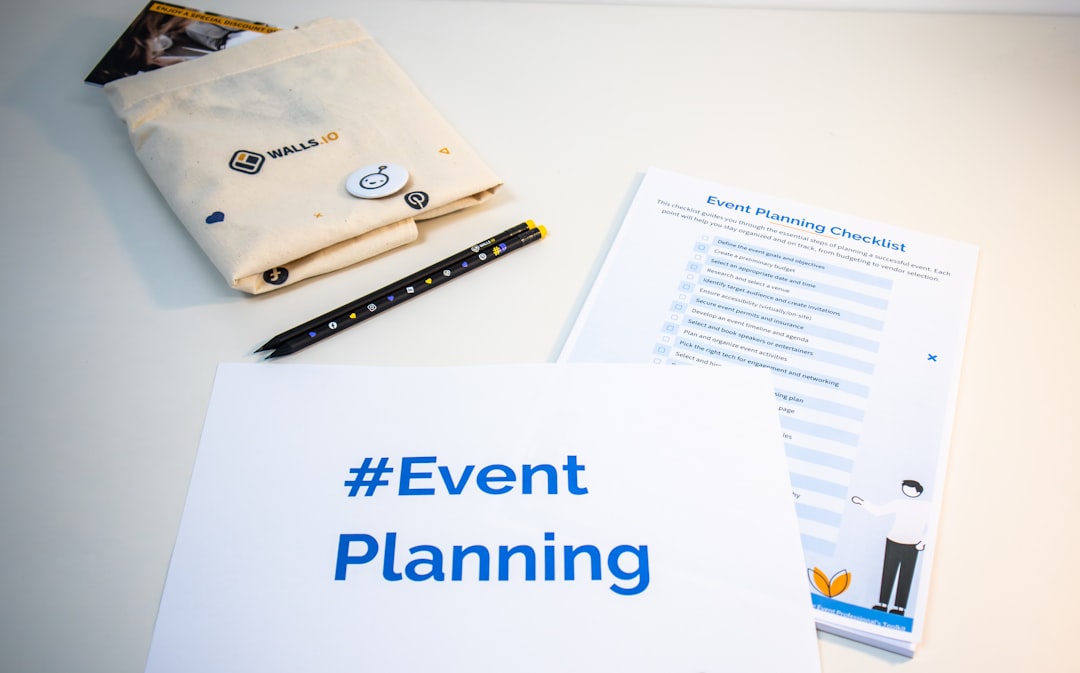
The task of organizing an event, regardless of its scale, can be complex. A structured approach, often termed a checklist, serves as a foundational tool for ensuring that all critical components are addressed. This guide, formatted for clarity and utility, outlines a systematic process for planning a party, aiming to mitigate common oversights and reduce the inherent stress associated with event management.
Before any concrete steps are taken, the fundamental aspects of the party must be established. This initial phase acts as the blueprint, dictating subsequent decisions. Without a clear vision, planning becomes a meandering journey rather than a targeted progression.
Purpose and Theme
Every party serves a purpose, whether it is a celebration of a milestone, a social gathering, or a professional networking event. Identifying this primary objective informs the party’s character and overall atmosphere. Once the purpose is clear, a theme can emerge. A theme provides a cohesive narrative, guiding choices for decorations, activities, food, and attire. For example, a birthday celebration for a child might adopt a “superhero” theme, influencing everything from the cake design to the games played. Conversely, an adult anniversary party might lean towards a “Roaring Twenties” theme, requiring specific costume suggestions and musical selections. The theme acts as an anchor, preventing the party from drifting into thematic inconsistency.
Guest List and Budget
The guest list forms the core of the event. A preliminary count is essential for estimating costs, space requirements, and logistical needs. Consider who you wish to invite and why. Are there any social dynamics to manage? Are there individuals who should or should not be in attendance together? Once a preliminary list is drafted, a budget can be established. This budget acts as a financial constraint and a guide. It dictates the scope of the party, from the venue choice to the quality of refreshments. Allocate funds to major categories such as venue, catering, entertainment, decorations, and miscellaneous expenses. It is prudent to include a contingency fund, typically 10-15% of the total budget, to absorb unforeseen costs. Underestimating expenses is a common pitfall. The budget is not merely a limit but a strategic distribution of resources.
Date, Time, and Location
These three elements are intrinsically linked and often dependent on the budget and guest list. The date should be chosen with consideration for public holidays, significant local events, and the general availability of key guests. Weekends are often preferred for social gatherings, while weekdays might suit corporate events. The time of day impacts the event’s duration and the type of activities suitable. A brunch gathering differs significantly from an evening gala. The location, whether it is a private residence, rented hall, or outdoor space, must accommodate the anticipated number of guests and the planned activities. Accessibility for all guests, including those with mobility challenges, should be a priority. Consider parking availability, public transport links, and proximity to emergency services. The venue essentially frames the party, much like a canvas sets the stage for a painting.
Logistics and Vendor Management
With the foundational elements in place, the focus shifts to the practical execution. This phase involves engaging external services and ensuring that all necessary physical components are procured.
Invitations and RSVP Tracking
Once the date, time, and location are confirmed, invitations can be designed and disseminated. The invitation should clearly convey all essential information, including the purpose of the party, date, time, location, theme (if applicable), and any specific instructions (e.g., dress code, dietary requests). Include an RSVP deadline to allow adequate time for finalizing guest numbers. RSVPs are crucial for accurate catering orders, seating arrangements, and overall resource allocation. Implement a system for tracking responses, whether it’s a simple spreadsheet, an online event management tool, or a physical list. Follow up with guests who have not responded by the deadline. This process is like keeping a detailed manifest for a carefully loaded ship.
Catering and Beverages
Food and drink are often central to the guest experience. Determine the type of catering required: plated dinner, buffet, food stations, or a simple array of appetizers. Consider dietary restrictions and allergies among your guests. Work closely with catering services to create a menu that aligns with your theme, budget, and guest preferences. For beverages, decide between alcoholic and non-alcoholic options, and the method of service (open bar, cash bar, or self-service). Ensure there are sufficient quantities of everything to avoid last-minute shortages. Source reliable suppliers who can deliver on time and to specifications. This aspect of planning is akin to fueling a complex machine; missteps here can bring the entire operation to a halt.
Entertainment and Activities
The choice of entertainment should align with the party’s theme and the demographic of your guests. Options range from live music (bands, DJs, solo performers) to interactive activities (photo booths, games, workshops) to more passive forms of entertainment (background music, projected visuals). For children’s parties, consider a dedicated entertainer, face painting, or structured games. For adult gatherings, conversational spaces and well-chosen background music might suffice. Ensure that any entertainers or equipment rentals are booked well in advance. Clarify their requirements regarding space, power, and setup time. The entertainment is the engine of engagement, driving the party’s energy.
Decorations and Ambiance
Decorations contribute significantly to the party’s atmosphere and reinforce the chosen theme. Consider elements such as lighting, centerpieces, tablecloths, banners, and balloons. The goal is to create an environment that enhances the guest experience. For indoor venues, pay attention to room layout, access points, and restrooms. For outdoor events, consider weatherproofing, shade, and insect control. Lighting is a powerful tool for setting the mood; dim lighting can create intimacy, while bright lighting is suitable for lively activities. Sound quality is also important; ensure background music is at an appropriate volume, allowing for conversation. These elements are the brushstrokes that define the visual and auditory landscape of the event.
Day-Of Execution: The Event Unfolds
The day of the party requires meticulous coordination and the ability to adapt to unforeseen circumstances. This phase is about bringing the meticulous planning to fruition while maintaining an agile approach.
Setup and Arrangement
Arrive at the venue with ample time to oversee or execute the setup. This includes arranging tables and chairs, positioning decorations, setting up catering stations, and preparing any entertainment areas. Perform a walk-through to ensure everything is in its designated place and functioning correctly. Test sound systems, lighting, and any electronic equipment. Consider traffic flow, ensuring clear pathways for guests and staff. A well-organized setup minimizes last-minute panic and creates a seamless experience for early arrivals. Think of this as the final assembly before the grand opening.
Guest Welcome and Flow
As guests arrive, a welcoming presence sets a positive tone. Designate someone to greet guests, direct them to coat check (if applicable), and guide them to the main party area. Consider how guests will move through the space. Are there natural gathering points? Are pathways clear? Is the bar easily accessible? Are restrooms clearly marked? A well-planned guest flow prevents bottlenecks and encourages interaction. For larger events, consider a designated information point where guests can ask questions. The guest welcome is the opening act, shaping first impressions.
Throughout the Event
During the party, maintain a watchful eye over all aspects. Ensure food and beverages are replenished as needed. Monitor the temperature and ventilation of the venue. Address any immediate issues, such as spilled drinks or technical difficulties, promptly and discreetly. Engage with guests to gauge their enjoyment and solicit feedback. If there is entertainment, ensure it proceeds according to schedule. The host or a designated point person should be readily available but not intrusive. This phase involves managing the dynamic narrative of the party as it unfolds.
Post-Event Management: Closing the Chapter
The party does not conclude when the last guest leaves. There are important follow-up tasks that ensure a complete and professional close to the event.
Cleanup and Breakdown
Immediately following the event, the cleanup and breakdown process begins. This involves removing decorations, clearing tables, disposing of waste, and packing up any rented equipment. If using a catering service, ensure their waste is handled according to contract. For rented venues, adhere to the specified cleanup guidelines to avoid additional charges. Coordinate with rental companies for timely pickup of items. An efficient cleanup ensures the venue is returned to its original state and minimizes post-event stress. This is the methodical dismantling of the temporary structure you so carefully built.
Thank You Notes and Follow-Up
Expressing gratitude to guests and vendors is a key element of event etiquette. Send thank-you notes or emails to guests, expressing appreciation for their attendance. For vendors, a separate thank-you and prompt payment are essential. If you received gifts, acknowledge them individually. For professional events, circulating a summary or photos can maintain engagement. This final communication acts as a bow on the package, providing a courteous and complete closure.
Evaluation and Feedback
After the event, take time to reflect on its success. What went well? What could have been improved? Review the budget against actual expenditures. Solicit feedback from trusted guests or colleagues. This evaluative process is invaluable for future planning. Maintain a record of lessons learned, vendor contacts, and successful strategies. Each event, regardless of its outcome, provides a valuable learning opportunity, sharpening the tools for the next endeavor. This evaluation is the distillation of experience, transforming raw data into refined wisdom.
FAQs
What are the essential steps in a party planning checklist?
Essential steps typically include setting a date and time, creating a guest list, choosing a venue, deciding on a theme or style, planning the menu and drinks, arranging entertainment or activities, sending invitations, and organizing decorations and party supplies.
How far in advance should I start planning a party?
It is recommended to start planning at least 3 to 6 weeks in advance for most parties. Larger events or those requiring special venues or vendors may need several months of preparation.
The menu should consider the number of guests, dietary restrictions, and the type of party. It usually includes appetizers, main courses, desserts, and beverages. Planning for a mix of options, including vegetarian or allergy-friendly choices, is important.
How can I manage the guest list effectively?
Create a list with contact information, track RSVPs, and consider the venue capacity. Group guests by categories if needed (family, friends, colleagues) and plan seating arrangements accordingly.
What are some tips for organizing party decorations and supplies?
Choose decorations that match the party theme, order supplies well in advance, and prepare a checklist to ensure nothing is forgotten. Consider reusable or DIY decorations to save costs and reduce waste.