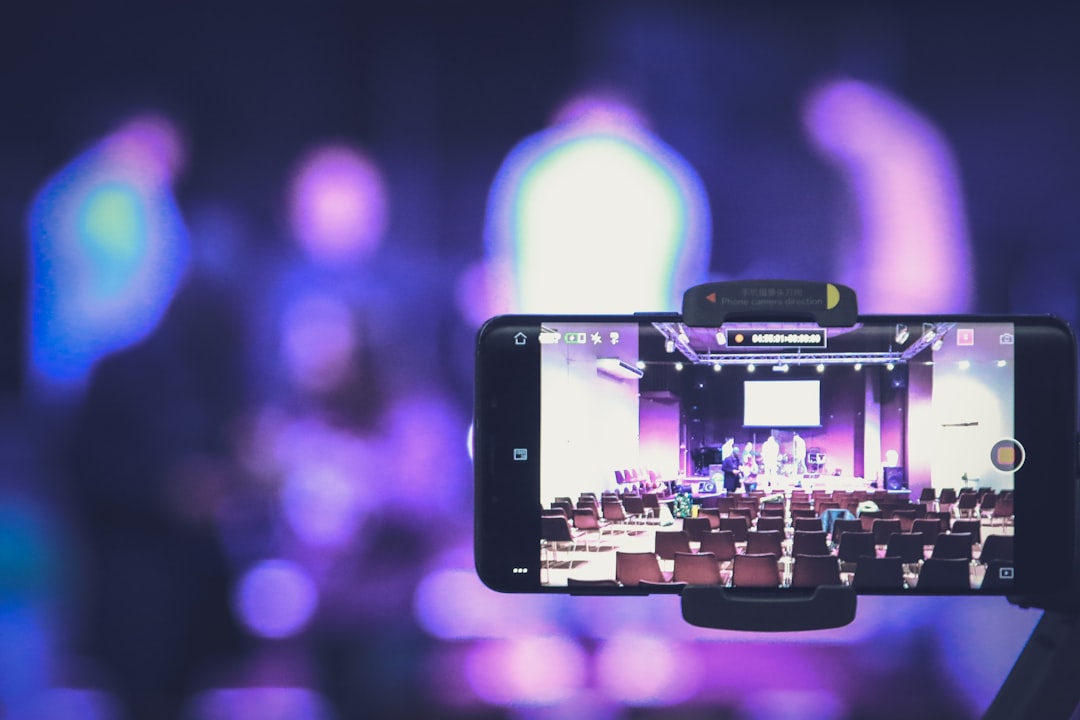
So, what’s cooking in the world of event tech for 2026? You’ve probably got a conference, a product launch, or maybe even a big internal company shindig on the horizon, and you’re wondering what tools and tricks will make it genuinely stand out. The short answer is: tech is leaning into making events feel more personal, more data-driven, and frankly, a lot less like a standard corporate obligation. We’re moving beyond just having an app to actually using tech to shape unique experiences, understand what’s working, and make participants feel seen.
The Personalization Power-Up
Forget one-size-fits-all. In 2026, event tech is all about tailoring the experience to each individual. This isn’t just about remembering someone’s name (though that’s still a good start!), but about leveraging data to make every touchpoint feel relevant.
Smart Event Platforms: Your Digital Concierge
Think of these as the brains behind the operation. The platforms aren’t just about registration anymore. They’re getting smarter, integrating AI to offer personalized recommendations for sessions, networking opportunities, and even exhibitors.
- AI-Driven Content Matching: Based on a participant’s stated interests, past attendance, or even their job title, the platform will suggest specific talks or workshops they absolutely shouldn’t miss. It’s like having a personal guide whose sole purpose is to ensure you get the most out of your time.
- Personalized Agendas: Beyond just a list of sessions, the platform can dynamically build and update an individual’s agenda, factoring in their preferences and potential conflicts. It’s about making sure their schedule aligns with their goals.
- Smart Networking Algorithms: This is a big one. Instead of random introductions, AI will suggest people to connect with based on shared interests, professional backgrounds, or even common goals for attending the event. This makes networking feel less like a chore and more like a strategic opportunity.
Augmented Reality (AR) for Deeper Engagement
AR isn’t just for games anymore. In 2026, expect to see it used to add layers of information and interactivity to physical and virtual event spaces.
- Interactive Exhibitor Booths: Imagine walking up to a booth and pointing your phone to see product demos come to life, detailed specs pop up, or even hear customer testimonials – all without the salesperson needing to be right there.
- Navigational Assistance: For large venues, AR can provide turn-by-turn directions to specific rooms or booths, overlaid directly onto your view. No more frantically searching for signage.
- Enhanced Content Delivery: During presentations, AR could allow speakers to display 3D models, animations, or supplementary data that participants can explore on their own devices. It turns passive viewing into active discovery.
Gamification That Actually Works
Gamification has been around, but its implementation in 2026 events will be more sophisticated, driving genuine participation and learning, not just points for the sake of it.
- Progressive Challenges: Instead of a simple leaderboard, think about challenges that unlock as attendees engage more deeply – attending sessions, visiting booths, connecting with others. It’s about rewarding deeper involvement.
- Team-Based Competitions: Encouraging collaboration and team spirit through event-wide challenges. This is particularly effective for internal company events or large conferences where building community is a goal.
- Meaningful Rewards: Moving beyond bragging rights, actual rewards could include exclusive content, early access to new features, or even discounts on future events. The motivation needs to be tangible.
The Rise of the Hybrid Experience
Hybrid events are no longer a pandemic necessity; they’re a strategic choice. In 2026, the focus is on making the online and in-person experiences feel less like two separate events and more like one cohesive whole.
Seamless Integration for a Unified Audience
The goal is to eliminate the feeling of being a “second-class citizen” if you’re attending virtually. Tech is bridging the gap.
- Unified Communication Channels: Whether you’re in the room or at your desk, you should be able to ask questions, participate in polls, and engage with other attendees through a single, integrated platform.
- Shared Interactive Elements: Polls, Q&As, and breakout discussions should be accessible and impactful for both physical and virtual attendees. Content should be designed so that remote participants feel as involved as those present.
- Real-Time Feedback Loops: Tech will enable organizers to gauge the sentiment and engagement of both audiences simultaneously, allowing for adjustments on the fly to ensure everyone feels included and valued.
Advanced Virtual Event Production
It’s not just about a static webcam feed anymore. Virtual event production is getting a professional sheen, offering immersive and engaging experiences.
- High-Quality Streaming and Production: Expect crisp video, professional lighting, and engaging on-screen graphics. This makes the virtual experience feel less like a webinar and more like a broadcast.
- Virtual Networking Lounges and Roundtables: Dedicated spaces within the virtual platform where attendees can have small group video chats, fostering more intimate networking opportunities than a large general chat room.
- On-Demand Content Libraries with Enhanced Search: Recordings of sessions will be readily available, but improved search functionality will allow attendees to quickly find specific moments or topics within them.
Data-Driven Decision Making: Beyond the Headcount
Events are goldmines of data, and in 2026, event tech will make it easier than ever to collect, analyze, and act on that information. This isn’t just about proving ROI; it’s about continuously improving the event experience.
Analytics That Drive Insight, Not Just Reports
The focus shifts from simply reporting numbers to understanding the ‘why’ behind them.
- Engagement Metrics Deep Dive: Tracking not just attendance, but how long attendees spend in sessions, which features they use, how often they interact, and where they drop off. This paints a much richer picture of engagement.
- Sentiment Analysis: Using AI to analyze chat logs, social media mentions, and survey responses to gauge attendee sentiment and identify areas of concern or delight in real-time.
- Path Analysis: Understanding how attendees move through the event – both physically and virtually. Did they attend sessions in a logical order? Did they visit specific exhibitor booths after a related talk? This helps optimize flow and content sequencing.
Predictive Analytics for Future Planning
Looking ahead, data will be used to anticipate needs and optimize future events.
- Forecasting Demand: Analyzing past attendance patterns and registration data to predict the popularity of certain sessions or topics for future events.
- Optimizing Resource Allocation: Using data to understand peak times for traffic or engagement, allowing for better staffing and resource planning for both physical and virtual components.
- Personalized Follow-Up Strategies: Based on attendee engagement and interests, organizers can tailor post-event communications and offers for maximum impact.
Enhanced Security and Privacy: A Trustworthy Foundation
As data becomes more central, so does the need for robust security and clear privacy practices. This isn’t just a technical requirement; it’s a trust-builder.
Building Confidence with Secure Platforms
Attendees, especially in the corporate world, need to know their data is protected.
- End-to-End Encryption: Ensuring that all data exchanged between attendees and the event platform is secured from the moment it’s sent to the moment it’s received.
- Robust Authentication Methods: Going beyond simple passwords with multi-factor authentication (MFA) to prevent unauthorized access to attendee accounts.
- Compliance with Data Protection Regulations: Adhering to GDPR, CCPA, and other relevant privacy laws and making those practices transparent to attendees.
Transparent Data Handling Practices
It’s not enough to be secure; attendees need to know how their data is being used.
- Clear Privacy Policies: Easy-to-understand explanations of what data is collected, why it’s collected, and how it will be used by the event organizers and their partners.
- Opt-In and Opt-Out Options: Giving attendees control over their data, allowing them to choose what information they share and with whom.
- Data Minimization: Collecting only the data that is absolutely necessary for the event to function and deliver value, reducing the overall data footprint.
Sustainability Goes Digital: Green Event Tech
The drive for sustainability extends to event technology, finding ways to reduce environmental impact through digital solutions.
Reducing Physical Footprint with Digital Tools
Many traditional event elements can be digitized, cutting down on waste.
- Digital Swag and Materials: Replacing physical giveaways with digital resources, e-certificates, or redeemable online offers.
- Paperless Registration and Check-in: Using QR codes and mobile apps to streamline the arrival process, eliminating the need for printed badges and materials.
- Virtual Booths and Exhibitor Showcases: While not replacing physical booths entirely, offering virtual options can reduce travel emissions and material waste for exhibitors.
Tech-Enabled Waste Reduction and Resource Management
Beyond just going paperless, tech can actively help manage resources for greener events.
- Smart Waste Management Integration: For in-person events, sensors and data analytics can help optimize waste collection and recycling efforts.
- Energy-Efficient Technology Choices: Organizers can opt for event tech providers that prioritize energy efficiency in their infrastructure and operations.
- Carbon Footprint Tracking Tools: Emerging platforms can help event organizers measure and report on the carbon footprint of their events, providing data for improvement.
The Future is Experiential, Not Just Informational
Ultimately, the biggest trend in event technology for 2026 is its ability to be integrated seamlessly to create memorable and impactful experiences. It’s less about the bells and whistles of individual technologies and more about how they work together to serve the core purpose of the event: connecting people, fostering learning, and driving outcomes. Whether you’re planning a global conference or a local workshop, thinking about how tech can make your event more personalized, more interactive, more insightful, more secure, and more sustainable will be key to success.