So, you’re looking to dive into affiliate marketing but your wallet’s feeling a bit thin? No worries, it’s absolutely possible to get started without shelling out a fortune. The short answer is: you leverage free platforms, free content creation methods, and a whole lot of strategic effort. It’s less about having a budget and more about having a smart approach and a willingness to put in the work.
Before we jump into the nitty-gritty, let’s clarify what “no money” really means in this context. It doesn’t mean zero investment of any kind. It means zero monetary investment. You’ll be investing your most valuable asset: your time and effort. Think of it as sweat equity. This approach requires patience, consistency, and a sharp eye for opportunities where others might see roadblocks. It’s about being resourceful and making the most of what’s freely available to you.
The allure of affiliate marketing is compelling: promote products you believe in, earn commissions, and potentially build a substantial income stream. But the idea of needing to invest heavily upfront can be a deterrent. Good news is, many successful affiliates started exactly where you are – with a vision and an empty piggy bank. The key is to understand that your “capital” in this scenario is your ability to create value for others.
The Realistic Expectation
Let’s be clear: “no money” doesn’t mean instant riches. Building a profitable affiliate business takes time and consistent effort. You’re not going to wake up tomorrow with thousands in your bank account just because you read this article. It’s a marathon, not a sprint. Expect to put in a significant amount of work before you see any substantial returns. However, the beauty of this approach is that every piece of content you create, every connection you make, and every strategy you implement builds a lasting asset that can generate income for years to come.
Your Most Valuable Resource: Time
Since cash is out of the picture, your time becomes your primary investment. This means dedicating consistent hours to content creation, audience engagement, research, and learning. If you’re not prepared to put in the time, then “no money” affiliate marketing will be a tough road. Think about scheduling specific blocks of time each day or week to work on your affiliate endeavors, just as you would for a paid job. Treat it with the same level of commitment and seriousness.
Choosing Your Niche and Products Wisely
This is perhaps the most crucial first step. Without a clear focus, you’ll be shouting into the void. A well-chosen niche will make all your subsequent efforts much more effective.
What is a Niche?
Your niche is the specific topic or area you’ll be focusing on. It could be anything from “Durable Hiking Gear for Beginners” to “Budget-Friendly Vegan Meal Prep.” The narrower, the better, especially when starting out. A broad niche like “health” is too vast; “affordable gluten-free baking” is much more focused.
Why Niche Selection Matters for No-Cost Startups
When you don’t have money for advertising, you rely heavily on organic traffic and word-of-mouth. A focused niche makes it easier to:
- Attract the right audience: People looking for “dog training tips for anxious puppies” are more likely to find your content than general “dog owners.”
- Become an authority: By consistently providing valuable information on a specific topic, you establish yourself as a trusted source.
- Find relevant products: It’s easier to find affiliate products that genuinely solve problems within a narrow niche.
How to Pick a Profitable Niche (Without Spending Money)
- Brainstorm your passions and expertise: What do you genuinely enjoy talking about or have knowledge in? Your enthusiasm will shine through and make content creation more enjoyable.
- Identify common problems: What challenges do people face that you could offer solutions for? Use free tools like Google Trends to see what people are searching for. Look at Reddit forums or Facebook groups related to your interests – what questions are constantly being asked?
- Look for products that solve these problems: Once you have a problem, can you find products (digital or physical) that genuinely address it?
- Check for affiliate programs: Are there existing affiliate programs for these products? Do a quick Google search: “[product name] affiliate program” or “[niche] affiliate programs.”
Identifying Affiliate Products
You need products to promote! Here’s how to find them without any cost:
- Directly from Brands: Many companies, big and small, have their own affiliate programs. Check their website footers for “Affiliates,” “Partners,” or “Referral Program.”
- Affiliate Networks: These are platforms that host thousands of affiliate programs under one roof. Signing up is free. Popular ones include:
- Amazon Associates: Great for physical products. Easy to get approved, but commission rates can be low.
- ClickBank: Primarily digital products (e-books, courses, software). Often higher commissions.
- ShareASale: A mix of physical and digital products.
- Rakuten Marketing (formerly LinkShare): Major brands across various categories.
- CJ Affiliate (formerly Commission Junction): Another large network with diverse offerings.
When scouting products, focus on those that are genuinely useful, have good reviews, and offer a decent commission rate (though don’t let commission be the only factor – promoting a bad product for a high commission will damage your credibility).
Free Content Creation Platforms
This is where the rubber meets the road. You need to create content to showcase your chosen products and attract an audience. The good news is, there are plenty of platforms that let you do this for free.
The Power of Blogging (Free Options)
Blogging is a fantastic way to establish authority, provide value, and naturally integrate affiliate links. You don’t need to pay for hosting or a custom domain to start.
- Blogger.com: Google’s own free blogging platform. Easy to use, integrates with other Google services. You’ll have a URL like
yourname.blogspot.com. - WordPress.com: The free version of WordPress. Offers more flexibility than Blogger but can have some limitations compared to self-hosted WordPress. Your URL will be
yourname.wordpress.com. - Medium.com: A fantastic platform for writers. You can publish articles on a topic, gain exposure within their community, and include affiliate links (following their guidelines). The platform has built-in readers, which is a huge advantage for a no-cost start.
- Substack.com: Primarily for newsletters, but you can publish articles there too. It’s gaining popularity for independent writers and offers direct monetization options later on (subscriptions), but you can start by building an audience and linking to affiliate products.
What kind of blog content to create:
- Product reviews: Honest, detailed reviews of products you’ve used or thoroughly researched.
- How-to guides: Solve problems for your audience using products as solutions.
- Comparison posts: “Product A vs. Product B.”
- Listicles: “Top 5 [Niche] Tools.”
- Problem/solution articles: Identify a common problem in your niche and offer affiliate products as part of the solution.
Leveraging Video Content (YouTube)
YouTube is the second-largest search engine in the world, and it’s completely free to create and upload videos.
- Why YouTube works for affiliates:
- Visual demonstration: Perfect for showing how products work.
- Personal connection: Viewers can see and hear you, building trust.
- High conversion rates: Video often leads to higher conversions than text for product promotions.
- What you’ll need (minimal cost):
- A smartphone: The camera and microphone on modern smartphones are perfectly adequate for starting.
- Good lighting: Natural light near a window is free and often the best option.
- Quiet environment: Minimize background noise.
- Basic editing software: Many free options exist (e.g., DaVinci Resolve, Shotcut, or even built-in phone editors).
- Video content ideas:
- Unboxing videos: Show the product as you open it.
- Product demos: Demonstrate how to use the product.
- Tutorials: Teach a skill using an affiliate product.
- Review videos: Share your honest opinion and experience.
- “My [Niche] Setup” videos: Showcase all the tools you use, linking to each.
Free Social Media Platforms
Social media isn’t just for sharing cat videos; it’s a powerful tool for affiliate marketing when used strategically.
- Instagram: Great for visually appealing products. Use high-quality images and videos. You can put your affiliate links in your bio, or use Instagram Stories (once you have enough followers for the swipe-up feature, or just paste links in Stories with a CTA to your bio for the link).
- Content ideas: Product showcase, “day in the life” using the product, aesthetic photos featuring the product.
- Pinterest: A visual search engine. People go to Pinterest specifically to find ideas and products. Create compelling “Idea Pins” or regular Pins linking directly to your blog posts or YouTube videos which contain affiliate links.
- Content ideas: “How-to” infographics, product collages, gift guides, solution-oriented visuals.
- Facebook Groups: Find groups related to your niche (or start your own). Engage genuinely, provide value, and only subtly introduce affiliate links when directly relevant and allowed by group rules. Spamming will get you banned.
- TikTok: Short-form video content. Perfect for quick product demos, reviews, or showing problem-solving scenarios. Links can be in your bio.
- Reddit: Niche-specific subreddits. Be extremely careful here. Reddit users are highly sensitive to self-promotion and affiliate links. Engage genuinely, answer questions, and if absolutely appropriate and helpful, very occasionally link to a resource (your blog or YouTube) that might contain an affiliate link. Never direct link initially.
Key for social media: Provide value first. Don’t just post product links. Share tips, insights, or entertainment related to your niche. Build a community, and then gently introduce relevant products as solutions.
Driving Free Traffic to Your Affiliate Links
You’ve got your niche, products, and content platforms. Now, how do you get people to actually see your stuff without paying for ads?
Search Engine Optimization (SEO) for Free Platforms
Even on free platforms, you can optimize your content to show up in search results.
- Keyword Research (Free Tools):
- Google Search: Type in a topic and see the “People also ask” section and “Related searches” at the bottom. These are organic keyword ideas.
- Google Keyword Planner: Requires a Google Ads account (but you don’t have to run ads). It gives you search volume estimates for keywords.
- Ubersuggest (Free Version): Offers a limited number of free daily searches for keyword ideas and content suggestions.
- AnswerThePublic: Visualizes questions and phrases people search for around a topic.
- On-Page SEO Basics:
- Use your main keyword in your article title/video title.
- Include keywords naturally throughout your content.
- Optimize headings (H2, H3) and descriptions.
- Use relevant tags for YouTube videos.
- Create high-quality, valuable content. Google and YouTube prioritize content that keeps users engaged.
Leveraging Email Marketing (Free Options)
Building an email list is crucial for long-term success, and you can start for free. An email list gives you a direct line to your audience, independent of algorithms.
- Free Email Marketing Services:
- Mailchimp: Free plan for up to 500 contacts. Great for beginners.
- ConvertKit: Free plan for up to 1,000 subscribers (with some feature limitations).
- Why an email list is essential:
- Direct communication: You own the list; no algorithm can block your message.
- Nurturing leads: Build trust and provide consistent value.
- Promote new content: Let your subscribers know when you publish new articles or videos.
- Affiliate promotions: Send carefully crafted emails promoting relevant affiliate products (don’t spam!).
- How to get subscribers:
- Offer an incentive (lead magnet): A free guide, checklist, template, or mini-course related to your niche, offered in exchange for an email address.
- Place sign-up forms prominently on your blog or link in your YouTube/social media descriptions.
Community Engagement
Actively participating in online communities related to your niche can drive targeted traffic.
- Quora and Reddit: Answer questions genuinely and helpfully. If your content (blog post, video) directly answers a question asked, you can occasionally link to it as a helpful resource. The emphasis is on being genuinely helpful, not self-promotional.
- Facebook Groups/Forums: Participate in discussions, offer advice, and establish yourself as a knowledgeable member. If the group rules permit and it’s relevant, you might share your content.
Tracking and Adapting on a Budget
Knowing what works and what doesn’t is crucial, even when you’re not spending money.
Free Analytics Tools
You need to understand where your traffic is coming from and how people are interacting with your content.
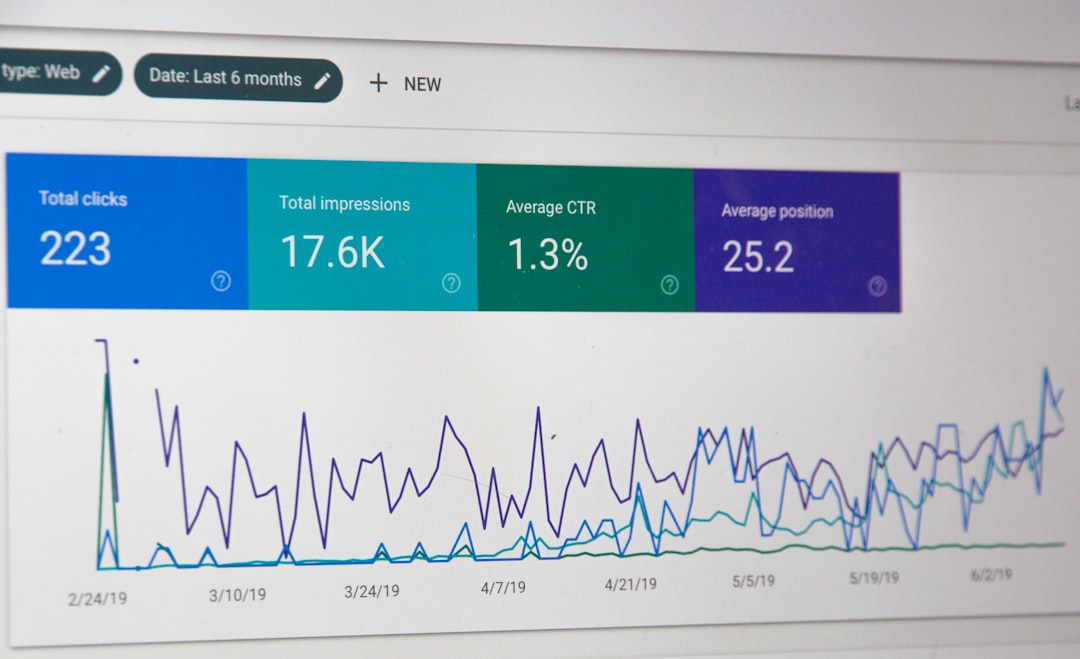
- Google Analytics: If you use Blogger or self-hosted WordPress, you can integrate Google Analytics for free. It provides invaluable data on website traffic, user behavior, and content performance.
- Platform-Specific Analytics: YouTube Studio provides detailed analytics for your videos. WordPress.com and Blogger also have their own basic analytics. Social media platforms like Instagram and Pinterest also offer basic insights if you have a business account (which is free).
What to Track
- Traffic Sources: Where are your visitors coming from? (e.g., Google search, YouTube, specific social media platforms).
- Top-Performing Content: Which blog posts or videos are getting the most views and engagement?
- Click-Through Rates (CTR) on affiliate links: While harder to track precisely without dedicated tools, you can infer clicks based on commissions earned.
- Conversion Rates: How many clicks result in a sale? (You’ll see this in your affiliate network dashboard).
Adapting Your Strategy
Based on your free analytics:
- Double down on what works: If particular content types or platforms are performing well, create more of that.
- Tweak underperforming content: Can you improve your SEO, video thumbnail, or blog post title?
- Experiment with new approaches: If one social media platform isn’t yielding results, try another.
- Learn from successes and failures: Every piece of data, even a negative one, offers a lesson.
Pitfalls to Avoid When Starting with No Money
While it’s totally doable, there are common traps that people fall into when trying to do affiliate marketing on a shoestring budget.
The “Spamming” Trap
Don’t just blast your affiliate links everywhere. This is a surefire way to get ignored, blocked, or banned. Provide value first. Earn trust. Then, if appropriate, politely introduce a helpful product. Think of yourself as a helpful friend, not a pushy salesperson.
Lack of Consistency
Momentum is built through consistent effort. Posting sporadically or giving up after a few weeks won’t yield results. Commit to a schedule, even if it’s just a few hours a week, and stick to it. This is your “investment” when you have no money.
Promoting Irrelevant Products
Only promote products that genuinely align with your niche and that you believe will benefit your audience. Promoting anything and everything just for a potential commission will erode your credibility. Authenticity is key. If you wouldn’t recommend it to a friend, don’t recommend it to your audience.
Ignoring Your Audience
Pay attention to comments, questions, and feedback. Your audience’s needs and interests should heavily influence your content strategy. Engagement is a two-way street. Respond to comments, answer questions, and ask for feedback. This will make your audience feel valued and build a stronger community.
Getting Bogged Down by Perfectionism
When you’re starting with no money, your first blog posts won’t be perfect, and your first videos won’t look like Hollywood productions. That’s okay! The most important thing is to start and iterate. “Done is better than perfect.” You’ll improve with practice. Get your content out there, learn from it, and refine your approach over time.
Not Learning Continuously
The world of online marketing is constantly evolving. Dedicate time each week to learning new strategies, staying updated on platform changes, and improving your skills (e.g., better writing, video editing, SEO techniques). There are tons of free resources available (YouTube tutorials, blog posts, online forums).
Starting affiliate marketing with no money isn’t about finding a magic bullet. It’s about smart strategy, consistent hard work, and cleverly using the vast array of free tools and platforms available. By focusing on providing genuine value, choosing your niche wisely, and leveraging free content creation and traffic generation methods, you can build a solid foundation for a profitable affiliate business from the ground up.