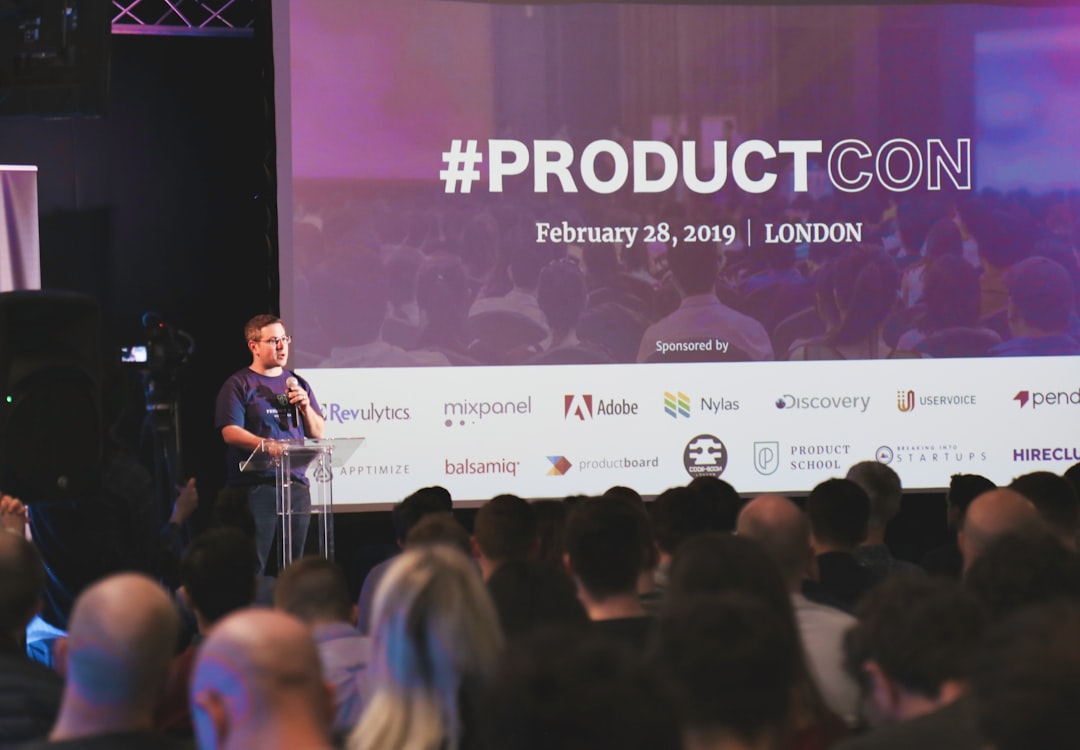
So, you want to combine event marketing with digital marketing? The simplest answer is this: integrate the two by using digital channels to promote your events, enhance the event experience, and extend the event’s lifecycle long after it’s over. It’s about creating a seamless journey for your audience, from initial awareness to post-event engagement, all while leveraging the strengths of both marketing worlds. Think of it as a two-way street where digital amplifies your event, and your event provides rich content and data for your digital efforts.
Why Bother Integrating?
You might be thinking, “Why can’t I just run my events and then do digital marketing separately?” Well, you could, but you’d be leaving a lot on the table. Imagine trying to row a boat with only one oar – you’ll go in circles. Integrating these two powerful forces creates momentum and direction. It’s about reaching a wider audience than you could with just one, boosting engagement, making your events more measurable, and ultimately, getting a better return on your investment. In today’s interconnected world, audiences expect a cohesive experience, whether they’re RSVPing online or attending in person.
Planning Your Integrated Strategy
Before you dive headfirst into campaigns, you need a solid plan. This isn’t just about picking some tools; it’s about understanding your goals and how each element feeds into the other.
Define Clear Objectives
What do you actually want to achieve? Don’t just say “more attendees.” Get specific.
- Attendee Numbers: How many do you need to hit your target?
- Lead Generation: Are you aiming for a certain number of qualified leads?
- Brand Awareness: Is the goal to increase brand recognition in a specific market?
- Customer Engagement: Do you want to foster deeper connections with existing customers?
- Sales Conversion: Is this event directly tied to product sales?
Understanding these objectives will help you tailor your messaging and choose the right digital channels. For example, if lead generation is key, your digital promotions will heavily feature sign-up forms and follow-up sequences.
Understand Your Audience
Who are you trying to reach? This isn’t just demographic data; it’s about their online habits, what motivates them, and where they hang out virtually.
- Demographics & Psychographics: Age, location, interests, job roles, pain points.
- Preferred Platforms: Are they on LinkedIn, Instagram, Facebook, TikTok? Do they prefer email newsletters or blog posts?
- Content Consumption: Do they watch videos, read long-form articles, or skim short social posts?
Knowing this helps you craft content that resonates and deliver it where they’re most likely to see it. It’s about meeting them where they are, not forcing them to come to you.
Choose the Right Event Format
The type of event you’re running will heavily influence your digital strategy.
- Webinars/Virtual Conferences: These are inherently digital, so your promotion and delivery are almost entirely online.
- In-Person Workshops/Seminars: Digital marketing is crucial for driving registrations and providing pre-event information.
- Hybrid Events: These require a dual approach, catering to both in-person and online audiences, which amplifies the complexity and opportunity for digital integration.
- Product Launches/Expos: Digital can help build hype, manage registrations, and live-stream key moments.
Each format has its own set of digital tools and tactics that will be most effective. A virtual event, for instance, might rely more heavily on social media buzz and influencer partnerships than a small local workshop.
Pre-Event Digital Engagement: Building the Buzz
This is where digital marketing really shines before the event even kicks off. It’s about generating excitement, informing potential attendees, and making it easy for them to sign up.
Creating a Dedicated Event Hub
You need one central place where all event information lives. This is non-negotiable.
- Event Landing Page: This isn’t just a basic RSVP form. It should be a sales tool, showcasing speakers, agenda, venue details (if applicable), and clear calls to action. Optimize it for mobile.
- Ticketing/Registration Platform: Choose a platform that integrates with your CRM and email marketing tools. Make the registration process as smooth as possible.
- FAQ Section: Anticipate questions and provide answers. This reduces support queries and friction for attendees.
Driving Awareness with Content Marketing
Content is your megaphone. Use it to speak to your audience and show them why they need to be at your event.
- Blog Posts: Write articles related to your event’s themes, featuring speakers, teasing content, or discussing industry trends that will be covered.
- Videos: Short, engaging videos showcasing past events, speaker interviews, or a quick “what to expect” montage. Video is incredibly effective for building excitement.
- Infographics/Visuals: Share key statistics or a simplified agenda visually. These are highly shareable on social media.
- Podcasts: Conduct interviews with speakers or dive into topics relevant to your event. This offers a deeper dive for engaged listeners.
Leveraging Social Media
Social media isn’t just for sharing; it’s for engaging.
- Event Hashtag: Create a unique, memorable hashtag and promote it relentlessly. Encourage speakers and attendees to use it.
- Platform-Specific Content: Don’t just cross-post everything. Tailor your content for each platform. LinkedIn for professional insights, Instagram for behind-the-scenes and visual appeal, Twitter for real-time updates.
- Paid Social Advertising: Target specific demographics who fit your ideal attendee profile. Use compelling creative and clear calls to action.
- Speaker & Sponsor Spotlights: Introduce your speakers and sponsors, highlighting what they’ll bring to the event. This adds credibility and generates interest.
- Interactive Content: Polls, Q&As, countdown timers on stories – these increase engagement and keep your event top-of-mind.
Email Marketing Campaigns
Email is your direct line to potential attendees.
- Early Bird Promotions: Reward early registrants with discounts or exclusive content.
- Drip Campaigns: A series of emails leading up to the event, providing updates, speaker bios, agenda highlights, and clear calls to action.
- Personalization: Segment your lists and personalize emails based on their interests or past interactions.
- Reminder Emails: For those who started but didn’t complete registration, or simply as a final nudge closer to the deadline.
During the Event: Enhancing the Experience Digitally
The event itself is a goldmine for digital content and interaction. Don’t just think of digital as pre-event promotion; it’s a vital part of the live experience.
Live Social Media Coverage
Keep the momentum going during the event.
- Real-time Updates: Share photos, videos, and key quotes from speakers using your event hashtag.
- Live Q&A Sessions: Use platforms like Instagram Live, Facebook Live, or Twitter Spaces to host live Q&A sessions with speakers for both in-person and virtual attendees.
- Attendee-Generated Content: Encourage attendees to share their experiences using your hashtag. Reshare and engage with their posts.
- Behind-the-Scenes: Show glimpses of the setup, speaker prep, or networking moments. This adds an exclusive feel.
Interactive Digital Tools
Make the event more engaging with technology.
- Event Apps: For larger events, a dedicated app can house agendas, speaker bios, networking features, direct messaging, and push notifications for important updates.
- Audience Polling/Q&A Tools: Allow attendees to submit questions and vote on polls in real-time, making presentations more interactive. Apps like Slido or Mentimeter are great for this.
- Gamification: Introduce elements like scavenger hunts, leaderboards, or points for engagement (e.g., visiting sponsor booths, asking questions) to boost participation.
- Digital Swag Bags: Instead of physical handouts, provide QR codes or links to digital resources, discounts, and exclusive content.
Live Streaming & Virtual Attendance
For those who can’t be there in person, or as an added value.
- Keynote Live Streams: Broadcast important sessions to a wider, global audience.
- Dedicated Virtual Track: Offer a parallel online experience with its own agenda, speakers, and networking opportunities.
- Technical Support: Ensure robust internet, A/V, and tech support for both in-person and virtual components. There’s nothing worse than technical glitches disrupting the flow.
Post-Event Digital Follow-Up: Extending the Lifespan
The event doesn’t end when the last attendee leaves. Digital marketing allows you to keep the conversation going and continue deriving value.
Content Repurposing & Distribution
That event you just ran? It’s a massive content factory.
- Session Recordings: Make recordings of presentations and workshops available on demand. Host them on your website, YouTube, or a dedicated platform.
- Key Takeaway Summaries: Create blog posts or infographics summarizing the most important points from various sessions.
- Speaker Quote Graphics: Design attractive graphics with memorable quotes from speakers, perfect for social media.
- Photo Albums/Highlight Reels: Share professional photos and a “best of” video compilation to relive the experience and promote future events.
- Podcast Episodes: Turn speaker interviews or panel discussions into podcast episodes.
Nurturing Leads and Attendees
Your attendees are now warmer leads or more engaged customers.
- Personalized Thank You Emails: Send tailored emails to attendees, thanking them and providing links to resources, recordings, or survey forms.
- Lead Nurturing Sequences: For new leads generated at the event, integrate them into your existing email nurturing campaigns based on their interests.
- Feedback Surveys: Gather insights to improve future events. Use digital survey tools that integrate with your CRM.
- Exclusive Follow-Up Content: Offer attendees a special report, white paper, or discount code mentioned at the event.
Maintaining Community Engagement
Keep the community you built alive and thriving.
- Dedicated Online Groups: Create LinkedIn groups, Facebook groups, or Slack channels for attendees to continue networking and discussing topics.
- Webinars/Follow-Up Sessions: Host follow-up webinars based on popular topics or unanswered questions from the event.
- Announce Future Events: Use the post-event momentum to announce early bird registration for your next event.
Measuring Success and Optimizing
You can’t improve what you don’t measure. This is where digital marketing really helps make your event efforts quantifiable.
Key Performance Indicators (KPIs)
What metrics will you track to determine if you met your objectives?
- Registration & Attendance Rates: How many signed up vs. how many actually attended (in-person and virtual).
- Website Traffic: Page views on your event landing page, traffic sources.
- Social Media Reach & Engagement: Impressions, shares, comments, likes on your event posts.
- Email Open & Click-Through Rates: How effective were your email campaigns?
- Lead Quality & Conversions: How many leads were generated? How many converted into customers post-event?
- Attendee Satisfaction: Survey results, net promoter score (NPS).
- Return on Investment (ROI): Did the event generate more revenue or value than it cost?
Leveraging Data for Future Events
Don’t just collect data; use it.
- Audience Insights: Understand which demographics responded best to which types of content or channels.
- Content Performance: Which blog posts, videos, or social media posts generated the most interest?
- Speaker & Session Popularity: Which sessions were most attended or highly rated? This helps with future agenda planning.
- Channel Effectiveness: Which digital channels delivered the most registrations or qualified leads? Allocate future budgets accordingly.
Practical Tips for Seamless Integration
Centralize Your Data
Use a CRM (Customer Relationship Management) system to store all your attendee data, interactions, and marketing insights. This allows for personalized communication and better lead nurturing.
Automate Where Possible
Marketing automation tools can handle email drip campaigns, social media scheduling, and registration reminders, freeing up your team to focus on more strategic tasks.
Ensure Branding Consistency
Maintain a consistent brand voice, visual identity, and messaging across all your event communications, whether digital or physical. This reinforces your brand and creates a cohesive experience.
Test, Test, and Test Again
Before launching any digital campaign or event platform, thoroughly test everything: registration forms, email links, streaming quality, app functionality. A smooth user experience is paramount.
Don’t Forget the Human Touch
While digital tools are powerful, remember that events are ultimately about human connection. Use digital to facilitate and amplify those connections, not replace them. Personalized emails, engaging social media interactions, and responsive customer service go a long way.
Combining event marketing with digital marketing isn’t just a good idea; it’s essential for creating impactful, measurable, and memorable experiences in today’s landscape. It’s about leveraging technology to extend your reach, deepen engagement, and ultimately achieve your business goals more effectively. Start small, learn what works for your audience, and continuously refine your approach.