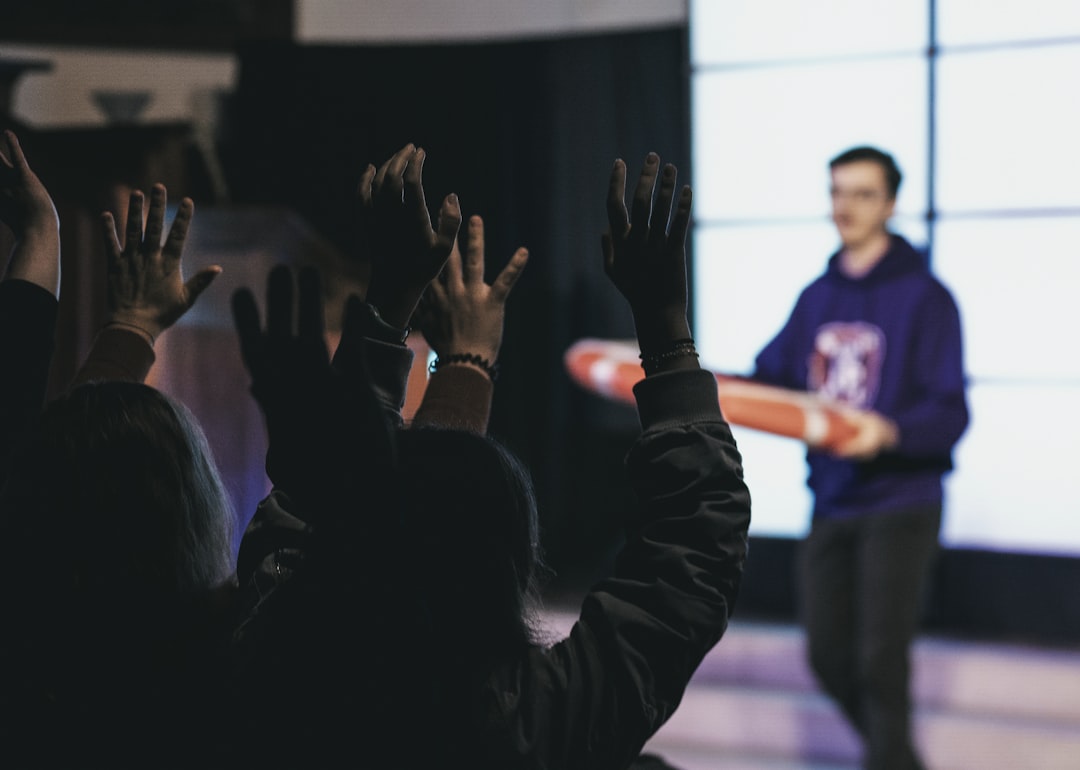
Community events serve as vital linchpins, strengthening social bonds and fostering a sense of shared identity. They can transform individuals from solitary nodes into interconnected elements of a vibrant network. The planning and execution of a successful community gathering requires foresight, organization, and a clear understanding of the desired outcomes. This article outlines various community event ideas designed to create engaging and enjoyable experiences, catering to diverse interests and age groups.
Effective event planning is akin to constructing a sturdy building; without a solid foundation, the entire structure is at risk of collapse. This section delves into the essential preparatory steps and logistical considerations necessary for any community event.
Defining Objectives and Target Audience
Before embarking on brainstorming specific activities, it is crucial to establish the primary goals of the event. Are you aiming to increase civic engagement, promote local businesses, celebrate a particular holiday, or simply provide a social outlet for residents? Understanding these objectives will shape all subsequent decisions. Similarly, identifying the target audience—families with young children, seniors, teenagers, or a general cross-section of the community—will inform the choice of activities, entertainment, and communication strategies. A “one-size-fits-all” approach is rarely effective; tailoring the event to its intended participants increases its likelihood of success.
Budgeting and Resource Allocation
A well-defined budget is the backbone of any community event. This involves meticulously estimating all potential expenses, from venue rentals and entertainment fees to marketing materials and permits. Simultaneously, identifying available resources is paramount. This includes financial contributions from sponsors, grants, or fundraising efforts, as well as in-kind donations of goods or services from local businesses and volunteers. Efficient resource allocation ensures that funds are directed towards aspects that will have the greatest impact on the event’s success, preventing overspending or underfunding critical elements.
Venue Selection and Accessibility
The choice of venue significantly influences the atmosphere and feasibility of an event. Consider factors such as capacity, available amenities (restrooms, power, seating), and weather contingency plans. Parks, community centers, school grounds, and public squares are common, cost-effective options. Accessibility is a non-negotiable aspect. Ensure the venue is readily reachable by public transportation and offers adequate parking. For individuals with disabilities, ramps, accessible restrooms, and clear pathways are essential. A venue that is welcoming and accommodating to all segments of the community fosters inclusivity.
Volunteer Recruitment and Management
Volunteers are the lifeblood of many community events. Their dedication and effort can significantly reduce operational costs and enhance the overall experience. A strategic approach to recruitment involves clearly defining roles and responsibilities, outlining time commitments, and communicating the value of their contribution. Training sessions, even brief ones, can equip volunteers with the necessary information and confidence to perform their tasks effectively. Regular communication and appreciation throughout the planning process and on the event day are crucial for maintaining morale and ensuring a positive volunteer experience.
Permitting and Legal Considerations
Navigating local regulations is an often-overlooked but critical step. Depending on the nature and scale of the event, permits may be required for public gatherings, food sales, amplified sound, or street closures. Familiarizing yourself with these requirements early in the planning process can prevent last-minute complications and potential fines. Liability insurance is also a prudent consideration, offering protection against unforeseen incidents. Consulting with local authorities and relevant departments can provide clarity on these matters.
Engaging Activities for All Ages: Creating a Diverse Appeal
The success of a community gathering often hinges on its ability to offer a range of activities that resonate with different age groups and interests. This section explores diverse event ideas that can serve as the centerpiece of a fun-filled day.
Family-Focused Fun
For events targeting families, integrating activities that cater to children and parents simultaneously is key. This can include:
Outdoor Games and Sports
- Field Day: Organize classic races like sack races, three-legged races, and egg-and-spoon races. Relay races can encourage teamwork. Consider setting up a designated area for quieter activities like chalk art or bubble blowing for younger children.
- Sports Clinics: Partner with local sports organizations or enthusiastic community members to offer introductory clinics in popular sports like soccer, basketball, or frisbee. These can be structured as fun, non-competitive sessions.
- Inflatable Play Areas: Bouncy castles, inflatable slides, and obstacle courses are perennial favorites for children. Ensure adequate supervision and safety guidelines are in place.
Creative and Educational Pursuits
- Arts and Crafts Booths: Provide materials for various crafts such as tie-dyeing, friendship bracelet making, painting rocks, or building with recycled materials. Theme the crafts around seasons or local heritage.
- Storytelling Sessions: Invite local authors, librarians, or enthusiastic volunteers to read engaging stories to children. Consider incorporating interactive elements like puppet shows or sing-alongs.
- Science and Nature Exploration: Set up simple science experiments that are safe and engaging for children, such as volcano eruptions with baking soda and vinegar or building simple circuits. A “nature scavenger hunt” in a park can encourage exploration and observation.
Entertainment and Performances
- Magician or Children’s Entertainer: A captivating performance can hold the attention of younger audiences and add a sparkle to the event.
- Local Talent Show: Encourage community members, particularly children, to showcase their talents in singing, dancing, playing instruments, or reciting poems. This fosters confidence and provides entertainment.
- Petting Zoo or Pony Rides: These attractions are often immensely popular with younger children, offering interactive animal experiences. Ensure ethical treatment of animals and appropriate supervision.
Teenage Engagement Zones
Teenagers can be a challenging demographic to engage, often seeking activities that offer a degree of autonomy and social interaction.
Interactive Entertainment
- Gaming Tournament: Organize a tournament for popular video games, either console-based or PC. Consider retro gaming stations for a nostalgic touch.
- DJ or Live Music: A playlist curated by a local DJ or performances by teenage bands can create a vibrant atmosphere.
- Photo Booth with Props: Provide fun props and a backdrop for teenagers to take memorable photos with their friends. Encourage them to share on social media using a dedicated event hashtag.
- Open Mic Sessions: Offer a platform for teenagers to perform spoken word poetry, stand-up comedy, or acoustic music. This can be a powerful outlet for creative expression.
Skill-Building Workshops
- Graffiti Art Workshop: Led by a local artist, this can provide a legal and creative outlet for artistic expression.
- DJing or Music Production Basics: Introduce teenagers to the fundamentals of mixing music or using digital audio workstations.
- Photography or Videography Basics: A workshop on mobile photography or simple video editing can empower them to document events and develop creative skills.
Social and Competitive Activities
- Treasure Hunt or Scavenger Hunt: Design a more challenging and intricate scavenger hunt that requires problem-solving and teamwork.
- Outdoor Movie Screening: A popular and relaxed way for teenagers to socialize. Provide comfortable seating options.
- Sports Competitions: Organize informal tournaments for popular sports like basketball, volleyball, or ultimate frisbee.
Adult and All-Inclusive Activities
To ensure the event appeals to a broader audience, include activities that adults can enjoy, either independently or with family.
Cultural and Artistic Offerings
- Local Artisan Market: Showcase and sell crafts, artwork, and homemade goods from local artisans. This supports small businesses and provides unique shopping opportunities.
- Live Music Performances: Feature local bands playing various genres, from folk and blues to contemporary pop.
- Community Art Project: A collaborative mural or sculpture that participants can contribute to throughout the event. This serves as a lasting symbol of community involvement.
- Author Readings or Book Signings: Invite local authors to read from their works or sign copies of their books.
Food and Drink Experiences
- Food Trucks or Local Eateries: Invite a variety of food trucks or local restaurants to set up stalls, offering diverse culinary options.
- Community Potluck: Encourage attendees to bring a dish to share, fostering a sense of shared responsibility and culinary diversity.
- Beer or Wine Tasting (with appropriate licensing): Partner with local breweries or wineries for a tasting experience, ensuring responsible service and age verification.
- Baking or Cooking Demonstrations: Feature local chefs or skilled home bakers demonstrating simple recipes or techniques.
Relaxation and Socialization
- Picnic Areas: Designate comfortable areas with seating for attendees to relax and enjoy their food.
- Lawn Games: Provide equipment for games like cornhole, giant Jenga, or bocce ball, encouraging casual competition and interaction.
- Live Demonstrations: This could include anything from gardening tips to martial arts displays, offering opportunities to learn new skills.
- Community Information Booths: Local non-profits, community groups, and government agencies can set up booths to share information about their services and initiatives.
Themed Events: Adding a Layer of Cohesion
A well-chosen theme can elevate a community event from a collection of activities to a cohesive and memorable experience. Themes act as a guiding star, illuminating the path for decorations, entertainment, and even participant attire.
Seasonal Celebrations
- Spring Fling: Focus on renewal and outdoor activities. Think flower planting workshops, kite flying, and a focus on fresh, seasonal food. Decorations can incorporate pastels and floral motifs.
- Summer Solstice Festival: Celebrate the longest day of the year with outdoor concerts, fire dancers (if permitted and safe), and a focus on evening activities like stargazing. Lanterns and fairy lights can create a magical atmosphere.
- Autumn Harvest Festival: Embrace the colors and flavors of fall. Pumpkin carving contests, hayrides, apple cider tasting, and a corn maze are excellent additions. Decorations can feature pumpkins, gourds, and autumnal foliage.
- Winter Wonderland: Create a cozy and festive atmosphere. Ice skating (if feasible), hot chocolate bars, craft workshops for holiday decorations, and a visit from Santa Claus can be popular. Snow-themed decorations and warm, inviting lighting are key.
Cultural and Heritage Celebrations
- Multicultural Fair: Dedicate sections of the event to different cultures represented within the community. This can involve food stalls, traditional music and dance performances, and educational displays.
- Historical Reenactment Day: Focus on a significant period of local history. Participants can dress in period costumes, and demonstrations of historical crafts or skills can be organized.
- Art and Music Festival: Showcase local artists and musicians across various genres. This can include live painting demonstrations, sculpture exhibits, and a variety of musical performances.
- Literary Festival: Invite local authors, poets, and storytellers. Organize book readings, writing workshops, and perhaps even a “poetry slam.”
Unique and Creative Themes
- “Around the World” Food Festival: Each food stall can represent a different country or region, offering authentic dishes. Decorations and music can further enhance the immersive experience.
- “Superhero Spectacular”: Encourage attendees to dress as their favorite superheroes. Organize costume contests, obstacle courses, and “hero training” activities.
- “Decades Party”: Choose a specific decade (e.g., the 80s, 90s) and encourage attendees to dress accordingly. Music and decorations should reflect the chosen era.
- “Night Under the Stars” Gala: For a more upscale event, this theme can involve outdoor dining, ambient lighting, and a focus on astronomy or celestial themes.
Food and Beverage: Fueling the Fun
Food and beverages are central to any gathering, offering sustenance and enhancing the overall enjoyment. Careful planning ensures variety, quality, and accessibility.
Diverse Culinary Offerings
- Food Trucks: A diverse array of food trucks provides a wide range of cuisines and price points, catering to various tastes and dietary needs. This also supports local small businesses.
- Local Restaurant Partnerships: Collaborate with local restaurants to offer pre-ordered meals or set up tasting stations, showcasing established culinary talent within the community.
- Community Bake Sale or BBQ: This can be a popular fundraising activity, with community members contributing homemade baked goods or grilling favorite dishes.
- Themed Food Stations: If the event has a theme, align the food offerings with it. For example, a “Taste of the Tropics” event could feature tropical fruits, seafood, and refreshing drinks.
Dietary Considerations and Inclusivity
- Vegetarian and Vegan Options: Ensure a significant number of vegetarian and vegan choices are available, clearly labeled.
- Allergy Awareness: Work with food vendors to clearly label ingredients and identify common allergens (nuts, gluten, dairy). Provide allergen-free options where possible.
- Gluten-Free Offerings: Similarly, cater to individuals with gluten sensitivities by offering readily identifiable gluten-free meals and snacks.
- Kid-Friendly Menus: Offer simple, appealing options for children, such as mini hot dogs, pizza slices, or fruit cups.
Beverage Stations
- Water Stations: Ample access to free drinking water is essential, especially during warmer months. Consider flavored water options.
- Juice and Soda: Offer a selection of popular juices and sodas, catering to both children and adults.
- Coffee and Tea: Hot beverages can be particularly welcome during cooler parts of the day or for evening events.
- Alcoholic Beverages (with permits and responsible serving): If serving alcohol, ensure all necessary permits are obtained and follow responsible serving practices, including age verification and limiting consumption.
Post-Event Evaluation and Community Feedback: The Path to Improvement
| Event Idea | Estimated Attendance | Required Volunteers | Duration | Cost Estimate | Target Audience | Location Type |
|---|---|---|---|---|---|---|
| Community Clean-Up Day | 50-100 | 10-15 | 4 hours | Low | All Ages | Outdoor Parks/Neighborhoods |
| Farmers Market | 200-500 | 8-12 | 6 hours | Medium | Families, Adults | Outdoor/Open Market |
| Outdoor Movie Night | 100-300 | 5-8 | 3 hours | Medium | All Ages | Park or Community Center Lawn |
| Charity Fun Run/Walk | 150-400 | 15-20 | 4-5 hours | Medium | Adults, Teens | City Streets/Park Trails |
| Art & Craft Fair | 100-250 | 10-15 | 6-8 hours | Medium | All Ages | Community Center or Outdoor Plaza |
| Neighborhood Block Party | 50-150 | 8-12 | 5-6 hours | Low | Families, All Ages | Residential Street |
| Book Swap & Reading Event | 30-80 | 3-5 | 3 hours | Low | All Ages | Library or Community Center |
The work of a community event does not end when the last guest departs. A thorough post-event evaluation is as crucial as the initial planning, serving as a compass for future endeavors.
Gathering Feedback
- Surveys: Distribute short, focused surveys to attendees, volunteers, and vendors shortly after the event. Online survey tools can streamline this process. Questions should focus on satisfaction with activities, food, organization, and overall experience.
- Informal Feedback: Encourage open dialogue with attendees during and after the event. Casual conversations can reveal valuable insights that might not be captured in a formal survey.
- Debriefing Sessions: Hold dedicated debriefing meetings with the organizing committee and key volunteers. This allows for candid discussion of what worked well and what could be improved.
- Social Media Monitoring: Track comments and mentions related to the event on social media platforms. This can provide a public sentiment analysis and identify recurring themes.
Analyzing Successes and Challenges
- Attendance Numbers: Compare actual attendance figures with projections. Analyze factors that may have contributed to higher or lower turnout.
- Budget Reconciliation: Review all expenditures against the initial budget. Identify areas of overspending or underspending and understand the reasons behind them.
- Volunteer and Vendor Performance: Assess the effectiveness of volunteer support and the satisfaction of participating vendors. This feedback can inform future recruitment and selection processes.
- Activity Engagement: Observe which activities were most popular and which received less attention. This data can guide the selection of future event components.
Implementing Changes for Future Events
- Document Lessons Learned: Create a comprehensive report outlining all feedback, analyses, and recommendations. This document serves as a valuable resource for future event planning committees.
- Refine Planning Processes: Based on the evaluation, adjust and improve planning checklists, timelines, and communication strategies.
- Adjust Budgetary Allocations: Allocate resources more effectively in the future, prioritizing elements that consistently receive positive feedback and yield high engagement.
- Strengthen Community Partnerships: Identify areas where collaboration with other organizations or businesses could be enhanced to benefit future events.
By systematically planning, engaging the community with diverse activities, embracing themes, offering quality food and beverages, and diligently evaluating outcomes, community events can flourish, becoming vibrant celebrations that nurture connection and strengthen the fabric of local life. Each event is a seed planted; careful cultivation ensures a bountiful harvest of community spirit for years to come.
FAQs
What are some popular types of community events?
Popular community events include festivals, farmers’ markets, charity runs, cultural celebrations, outdoor movie nights, and neighborhood block parties.
How can I choose the right community event idea?
Consider the interests and demographics of your community, available resources, budget, location, and the time of year when selecting an event idea.
What are key steps to organizing a successful community event?
Key steps include planning and budgeting, securing permits, promoting the event, coordinating volunteers, arranging logistics, and ensuring safety measures.
How can community events benefit local neighborhoods?
Community events foster social connections, support local businesses, promote cultural awareness, encourage civic engagement, and enhance community pride.
What are some low-cost community event ideas?
Low-cost ideas include potluck picnics, book swaps, community clean-up days, outdoor yoga sessions, and art or craft fairs using donated materials.