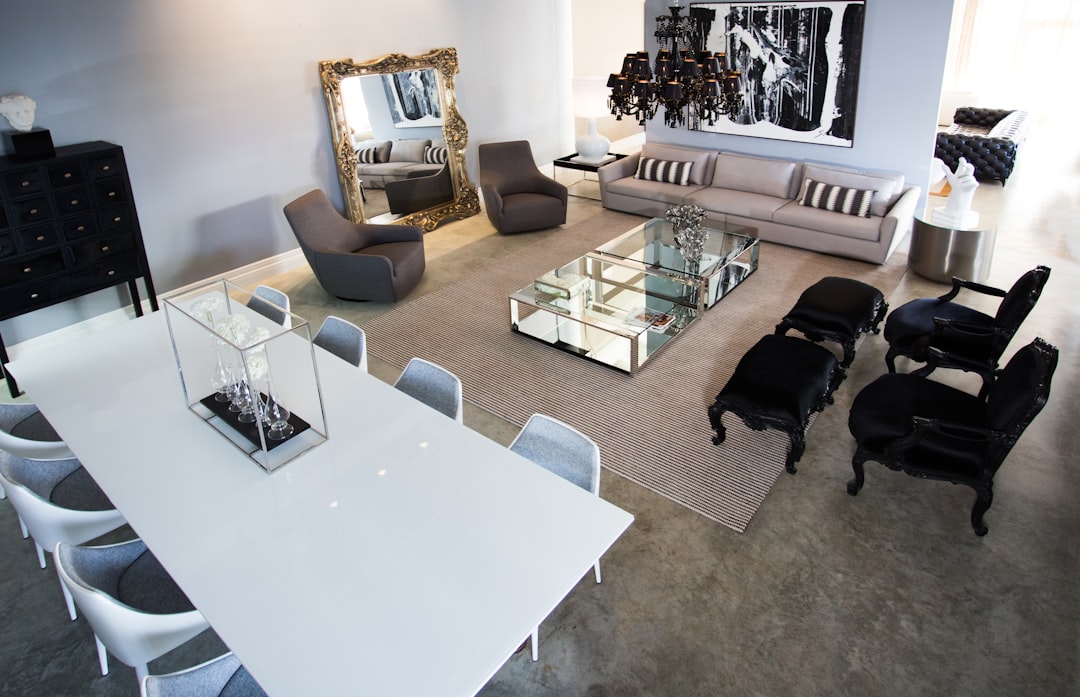
The European luxury furniture market is currently experiencing steady growth, driven by a blend of economic recovery, evolving consumer tastes, and an increasing appreciation for quality and craftsmanship. While not a runaway boom, the market is demonstrating resilience and adaptation in the face of various global shifts. Consumers are increasingly valuing durability, unique design, and ethical production when investing in high-end pieces, moving beyond simple brand recognition.
The European luxury furniture market is a complex ecosystem, shaped by numerous factors, from macroeconomic trends to individual consumer preferences. Understanding these underlying currents is key to grasping its present state.
Post-Pandemic Rebound and Shifting Priorities
Following the initial disruptions of the pandemic, the market has seen a notable rebound. Many consumers, spending more time at home, re-evaluated their living spaces and invested in upgrades. This led to a surge in demand for comfortable, stylish, and multi-functional furniture. While the initial peak has leveled off, a sustained interest in home improvement, particularly in high-quality, long-lasting pieces, continues to drive sales. People are less inclined to compromise on quality when it comes to items they interact with daily. The shift towards remote or hybrid work models also means that home offices, once an afterthought, are now significant areas of investment for many, demanding ergonomic and aesthetically pleasing luxury solutions.
Economic Landscape and Discretionary Spending
Europe’s varied economic landscape plays a significant role. Countries with stronger economic growth and higher disposable incomes naturally contribute more to the luxury furniture market. While inflation and supply chain issues have presented challenges, the luxury segment often demonstrates greater resilience due to its less price-sensitive customer base. High-net-worth individuals, who are primary consumers of luxury furniture, tend to retain their purchasing power even during economic downturns, albeit with potentially more considered spending. The desire for tangible assets and long-term value also contributes to continued investment in high-end furniture.
Urbanization and Property Market Trends
Continued urbanization across Europe, particularly in major cities, is another significant driver. As urban populations grow, the demand for well-designed, space-efficient, and luxurious furniture solutions for apartments and smaller homes increases. Moreover, a robust property market, especially in the high-end residential sector, directly translates to increased demand for luxury furnishings. New developments and renovations of premium properties consistently require high-quality furniture to match the architectural and interior design standards.
Evolving Consumer Preferences and Design Trends
Today’s luxury furniture consumer is more informed and discerning than ever before. Their preferences are shaping design directions, manufacturing processes, and retail experiences.
Emphasis on Sustainability and Ethical Sourcing
Sustainability is no longer a niche concern; it’s a core expectation. Luxury consumers are increasingly inquiring about the origin of materials, the environmental impact of manufacturing processes, and the ethical treatment of workers. Brands that demonstrate transparency in their supply chains, use sustainably harvested woods, recycled metals, or innovative eco-friendly materials are gaining a significant competitive edge. Certifications and clear communication about environmental credentials are becoming crucial marketing tools, reflecting genuine consumer values.
The Rise of Bespoke and Customization
Mass production is out; personalization is in. Luxury consumers seek unique pieces that reflect their individual style and fit perfectly into their bespoke spaces. This has led to a surge in demand for custom-made furniture, where clients can choose specific dimensions, finishes, fabrics, and even contribute to the design process. Brands offering a high degree of customization, often through direct-to-consumer models or collaborations with interior designers, are thriving. This trend moves away from off-the-shelf purchases towards an immersive and collaborative design experience.
Blending Tradition with Modern Aesthetics
While classic European craftsmanship remains highly valued, there’s a clear trend towards blending traditional techniques and materials with contemporary design sensibilities. This results in furniture that feels both timeless and current, offering a sophisticated aesthetic that appeals to a wide range of tastes. Think exquisite marquetry on a minimalist silhouette, or deeply comfortable upholstery on a geometrically inspired frame. This fusion allows for pieces that honor heritage while fitting seamlessly into modern living environments.
Focus on Comfort, Functionality, and Wellbeing
Beyond aesthetics, comfort and functionality are paramount. Luxury furniture is expected to be not just beautiful but also genuinely comfortable and practical for daily use. This includes ergonomic considerations, durable materials that stand the test of time, and smart design features that enhance usability. Furthermore, there’s a growing awareness of how furniture contributes to overall wellbeing – creating serene, inspiring, and comfortable living spaces is a key desire. Materials that are hypoallergenic, non-toxic finishes, and designs that promote relaxation are increasingly sought after.
Supply Chain and Manufacturing Challenges
Despite growth, the European luxury furniture market isn’t immune to external pressures, particularly concerning its supply chains and manufacturing processes.
Raw Material Price Fluctuations
The cost of key raw materials like high-grade timber, special metals, fine leathers, and premium fabrics has been subject to considerable fluctuations. Geopolitical events, environmental regulations affecting harvesting, and global demand shifts all impact availability and pricing. This directly influences production costs for luxury furniture manufacturers, who often absorb some of these increases to maintain competitive pricing for their high-end products, or pass them on incrementally to the consumer. Managing these fluctuations requires robust procurement strategies and strong supplier relationships.
Skilled Labor Shortages
The intricate craftsmanship associated with luxury furniture often relies on highly skilled artisans – carpenters, upholsterers, polishers, and finishers. Europe, particularly countries renowned for their furniture heritage like Italy, France, and Germany, faces a growing challenge in attracting and retaining this specialized talent. An aging workforce and a perceived lack of vocational training for younger generations threaten the continuity of these traditional skills. Investment in apprenticeships and vocational schools is becoming critical for the long-term health of the industry.
Logistics and Geopolitical Impacts
The global nature of supply chains means that luxury furniture manufacturers are susceptible to disruptions in international logistics. Port congestions, shipping delays, and increased freight costs, amplified by recent global events, can significantly impact lead times and delivery schedules. Furthermore, geopolitical tensions can affect the sourcing of certain materials or impact trade routes, forcing companies to diversify their supply chains and build in greater resilience. This requires sophisticated logistical planning and proactive risk management.
Digital Transformation in Retail and Marketing
The luxury furniture market, traditionally reliant on physical showrooms and word-of-mouth, is undergoing a rapid digital transformation, changing how products are presented and sold.
Enhanced Online Presence and E-commerce
While touching and feeling a luxury item remains important, a strong online presence is now essential. High-resolution imagery, 360-degree views, augmented reality (AR) tools allowing customers to visualize furniture in their homes, and virtual showroom tours are becoming standard. E-commerce platforms for luxury furniture are becoming more sophisticated, offering personalized shopping experiences and seamless transactions. However, the challenge lies in translating the tactile, sensory experience of luxury into a digital format.
Digital Marketing and Social Media Engagement
Luxury brands are increasingly leveraging digital marketing strategies to reach their affluent target audience. This includes sophisticated content marketing, collaborations with influential interior designers and architects on platforms like Instagram and Pinterest, and targeted advertising campaigns. Storytelling around craftsmanship, heritage, and sustainability resonate well in these digital spaces. Social media serves not just as a marketing channel but also as a platform for customer engagement and brand building, allowing for a more direct connection with consumers.
Data Analytics for Personalization
The collection and analysis of customer data are becoming crucial for understanding purchasing patterns, preferences, and behaviors. This data allows luxury furniture brands to offer highly personalized recommendations, tailor marketing messages, and optimize the customer journey. From predicting future trends to personalizing promotional offers, data analytics enables a more efficient and effective approach to customer acquisition and retention in the competitive luxury market.
Future Outlook and Opportunities
The European luxury furniture market is poised for continued evolution, presenting both challenges and exciting opportunities for growth and innovation.
Growing Importance of Experiential Retail
While online channels are vital, the physical showroom isn’t disappearing; it’s transforming. Luxury furniture brands are increasingly focusing on creating immersive, experiential retail spaces. These are less about simple transactions and more about brand storytelling, offering a curated experience where customers can fully appreciate the quality, design, and comfort of the pieces in a beautifully designed setting. Collaborative spaces, design consultations, and exclusive events within these showrooms are enhancing the customer journey.
Expansion into Emerging Markets (Within Europe and Beyond)
While established Western European markets remain strong, there’s growing potential in emerging European economies. As wealth increases in these regions, so does the demand for luxury goods, including furniture. Brands are exploring opportunities to expand their distribution networks and marketing efforts in countries like Poland, Czech Republic, and Hungary, which are showing increasing affluence. Furthermore, for European brands, leveraging their heritage and craftsmanship to tap into global luxury markets, particularly in Asia and North America, remains a significant strategic opportunity.
Technological Integration and Smart Furniture
The integration of technology into luxury furniture, while still nascent, is an area of increasing interest. This isn’t about gimmicky gadgets but about subtle enhancements that improve comfort, convenience, and health. Examples include smart lighting systems integrated into shelving, wireless charging solutions seamlessly built into tables, climate-controlled storage for fine materials, and even materials that adapt to ambient conditions. The key is to integrate technology in a way that respects the aesthetic and craftsmanship without making the furniture feel overly technical or cold.
Focus on Circular Economy Principles
The shift towards a circular economy – where products are designed for durability, repair, and eventual recycling or repurposing – will become increasingly vital for luxury furniture. This means designing products with longevity in mind, offering repair services, and exploring end-of-life solutions. Brands that can demonstrate a genuine commitment to circularity, moving away from a linear “take-make-dispose” model, will likely gain a significant advantage, appealing to a growing segment of environmentally conscious luxury consumers. This not only aligns with consumer values but also presents opportunities for innovative business models.
The European luxury furniture market is on a trajectory of sustained growth, marked by informed consumers, innovative design, and a strong emphasis on sustainability and bespoke experiences. While challenges in supply chains and skilled labor persist, the industry’s ability to adapt and innovate, particularly through digital transformation and a focus on circularity, positions it for a dynamic and perhaps more responsible future.
FAQs
What is the current size of the luxury furniture market in Europe?
The luxury furniture market in Europe is estimated to be worth around $10 billion, with steady growth expected in the coming years.
What are the key trends driving the luxury furniture market in Europe?
Some key trends driving the luxury furniture market in Europe include a growing demand for sustainable and eco-friendly luxury furniture, an increasing preference for customized and personalized furniture, and a rise in online sales of luxury furniture.
Which countries in Europe are leading the luxury furniture market?
Countries such as Italy, France, Germany, and the United Kingdom are leading the luxury furniture market in Europe, with a strong tradition of craftsmanship and design excellence.
What are the factors contributing to the growth of the luxury furniture market in Europe?
Factors contributing to the growth of the luxury furniture market in Europe include a rise in disposable income, changing consumer lifestyles, and a growing preference for high-quality and aesthetically pleasing furniture.
What is the future outlook for the luxury furniture market in Europe?
The future outlook for the luxury furniture market in Europe looks promising, with continued growth expected due to increasing urbanization, a rise in the number of high-net-worth individuals, and a growing focus on luxury interior design.