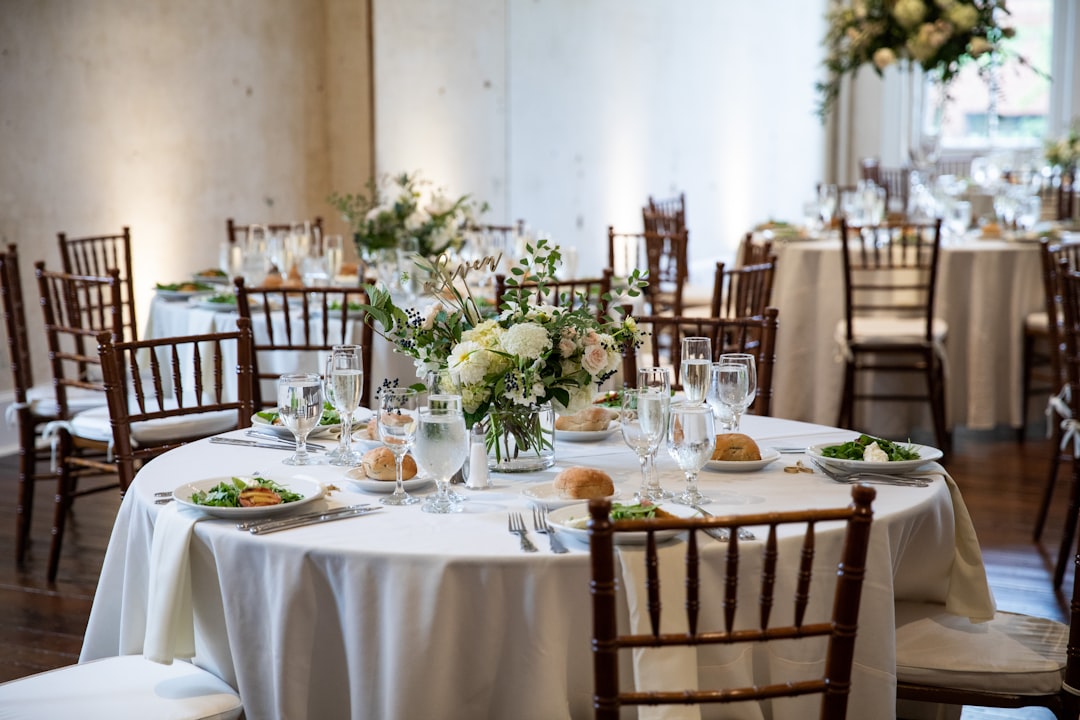
So, you’re planning a wedding and wondering about the big question: “How much does wedding catering actually cost in 2026?” It’s a completely normal and super important question to tackle early on. The short answer is: it varies wildly, but you’re likely looking at anywhere from $75 to $250+ per person, with the average often landing somewhere between $150 and $200 per person.
But that’s just a ballpark. The real cost depends on a whole bunch of factors, from the type of food you want to the city you’re getting married in. This guide will break down all those moving parts so you can get a clearer picture and budget effectively.
Before diving into specific dishes or styles, let’s look at what actually makes up that per-person catering price. It’s not just the food itself.
Food & Beverage Costs
This is the most obvious part, right? What you’re actually eating and drinking.
Menu Selection and Price Point
The ingredients and complexity of your chosen dishes are primary drivers. A gourmet five-course meal with prime cuts of steak and exotic seafood will naturally cost more than a delicious but simpler buffet of comfort foods.
- Appetizers: Can range from simple cheese and cracker platters to elaborate passed hors d’oeuvres featuring shrimp cocktail or miniature beef wellingtons.
- Main Courses: Think about the proteins. Chicken is generally more budget-friendly than beef or lamb. Fish prices can fluctuate based on seasonality and type. Vegetarian and vegan options can also vary widely in cost depending on ingredients.
- Sides: Roasted vegetables, potato dishes, and salads are usually more affordable than elaborate grain salads or specialty vegetable preparations.
- Desserts: While often included in a wedding cake, if you opt for a dessert bar with multiple choices, the cost will increase.
Beverage Packages
This is a big one that couples sometimes underestimate.
- Open Bar: The most generous option, where guests can order anything they like. This is typically the most expensive. Costs are usually calculated per person for a set duration.
- Limited Open Bar: This might include beer, wine, and a signature cocktail, with spirits being an additional charge or not offered at all.
- Cash Bar: Guests pay for their own drinks. This significantly reduces your catering bill but can sometimes be seen as less hospitable by guests.
- Consumption Bar: You pay for exactly what your guests drink. This can be risky; you might end up with a surprisingly high bill if guests are heavy drinkers.
- Non-Alcoholic Options: Even if you’re not serving alcohol, you’ll still have costs for sodas, juices, coffee, and tea.
Service and Staffing
This is where a significant portion of the cost lies beyond just the ingredients.
Staffing Ratios
Caterers need to have enough staff to ensure smooth service. This includes:
- Chefs/Kitchen Staff: To prepare the food.
- Servers: To plate meals (for plated dinners), serve buffet dishes, clear plates, and assist guests.
- Bartenders: To mix drinks.
- Event Captain/Maître d’: To oversee the entire service and ensure everything runs according to plan.
The number of staff required depends on your guest count and the style of service. Plated dinners usually require more servers than buffets.
Service Style
The way food is presented directly impacts staffing needs and, therefore, cost.
- Plated Dinner: The most formal and often the most expensive due to the labor involved in plating each dish in the kitchen and serving it individually.
- Buffet: Generally less labor-intensive than plated, as guests serve themselves. However, you still need staff to replenish dishes, answer questions, and clear plates.
- Stations: Similar to buffets, but with different food offerings at various points in the venue. Requires staffing at each station.
- Family Style: Large platters are brought to each table for guests to share. This can be a good balance between formality and cost, but still requires careful planning for replenishment and clearing.
- Cocktail Reception with Heavy Appetizers: This focuses on passed and stationary hors d’oeuvres. It can be very elegant but can also be expensive if the appetizers are substantial enough to replace a full meal.
Venue and Logistics
Your chosen venue can significantly influence catering costs.
Venue Restrictions and Fees
Some venues have exclusive catering contracts, meaning you must use their in-house caterer, or one from a pre-approved list. This can sometimes lead to higher prices, but it can also simplify the process. Other venues allow you to bring in any licensed caterer, which offers more flexibility.
- Kitchen Access: Does the venue have a fully equipped commercial kitchen available for the caterer? If not, the caterer might need to bring in their own equipment, which adds to the cost.
- Setup and Breakdown: Some venues charge fees for the caterer’s setup and breakdown time.
Travel and Delivery
If your caterer isn’t local to your venue, expect to see travel fees factored into the bill. This covers fuel, staff travel time, and potentially overnight accommodations if it’s a long distance.
Additional Costs and Considerations
Beyond the core elements, there are other things that can add to your catering bill.
Rentals
Often, catering packages don’t include table linens, china, glassware, cutlery, or serving dishes. You’ll need to rent these, and your caterer might be able to arrange it, but it will be an extra charge.
- China and Glassware: Basic white plates and clear glasses are standard. Upgraded options (colored plates, etched glasses) will cost more.
- Linens: Standard white or ivory tablecloths are common. Specialty colors, fabrics, or runners will add to the expense.
- Servingware: If your caterer is providing platters, chafing dishes, and other serving equipment, these are usually factored in, but sometimes premium serving pieces can be an extra charge.
Cake Cutting Fees
Many caterers charge a per-person fee to cut and serve your wedding cake, especially if it wasn’t made by them. This is because it takes up server time.
- Dessert Buffets: If you’re having a dessert bar in addition to or instead of a cake, the cost of those individual desserts will be added to your per-person price.
Tastings
Most caterers offer a tasting session before you book. This is usually included in the overall package price for booked clients, but some might charge a fee for a tasting if you haven’t committed yet.
Breakdown of Catering Styles and Their Costs (2026 Estimates)
Now let’s get into the nitty-gritty of different catering styles and what you might expect to pay in 2026. Prices are estimates and can vary greatly.
Buffet Style Catering
Buffets are popular for their relaxed atmosphere and variety.
Casual Buffet
- What it is: Think comfort food, carved meats, pasta dishes, salads.
- Typical Cost (per person): $75 – $120
- What’s usually included: A selection of 2-3 proteins, 2-3 sides, a salad, bread rolls.
- Why it’s cost-effective: Less labor-intensive for servers than plated meals.
Upscale Buffet
- What it is: More gourmet options, carving stations, seafood, more elaborate sides.
- Typical Cost (per person): $100 – $175
- What’s usually included: Premium proteins, multiple carving stations (e.g., prime rib, roasted turkey), diverse seafood options, artisanal breads, composed salads.
- Considerations: Might include more expensive ingredients and requires more attention from staff to keep stations well-stocked and appealing.
Plated Dinner Catering
The classic, formal wedding meal.
Simple Plated Dinner
- What it is: Usually a choice of two entrees (e.g., chicken, beef), one vegetarian option, and a standard side dish. Served with a salad and bread.
- Typical Cost (per person): $100 – $150
- What’s usually included: Two-course meal (salad, main).
- Why it costs more: Requires significant skilled labor for plating and serving each guest individually.
Multi-Course Plated Dinner
- What it is: Includes an appetizer, soup, salad, choice of 2-3 entrees, and dessert.
- Typical Cost (per person): $150 – $250+
- What’s usually included: A more elaborate meal with higher-quality ingredients, potentially wine pairings.
- Considerations: This is the pinnacle of formal dining and demands the most extensive staffing and preparation.
Food Stations Catering
A more interactive and modern approach.
Interactive Food Stations
- What it is: Guests move between different stations, each featuring a specific type of cuisine or dish (e.g., pasta station, taco bar, sushi bar, carving station).
- Typical Cost (per person): $120 – $200
- What’s usually included: A variety of 3-5 stations with diverse options.
- Why it’s a popular choice: Offers guests flexibility and a more engaging dining experience.
- Considerations: Requires careful planning to ensure efficient flow and enough staff to manage each station without long lines. The cost can increase with the number and complexity of stations.
Cocktail Reception with Heavy Appetizers
A great option for a more casual, mingling-focused event.
- What it is: Instead of a full meal, guests enjoy a wide selection of substantial hors d’oeuvres, often passed and at stationary displays.
- Typical Cost (per person): $90 – $170
- What’s usually included: 8-12 different types of appetizers, a mix of hot and cold, savory and sometimes sweet.
- Why it can be expensive: The sheer volume and variety of appetizers, plus the labor for constant passing and replenishing, can drive up the cost.
Family Style Catering
A communal and convivial option.
- What it is: Large platters of food are brought to each table for guests to pass around and serve themselves.
- Typical Cost (per person): $95 – $160
- What’s usually included: A set menu with multiple shared dishes.
- Why it’s a good middle ground: Offers a slightly more formal feel than a buffet but is more interactive and can feel more intimate than a plated meal.
- Considerations: Requires ample table space and staff to efficiently replenish platters and clear away empty dishes.
Factors That Significantly Impact Your Catering Budget
Beyond the style of service, several other elements play a crucial role in your final catering bill.
Guest Count
This is the most straightforward factor. The more guests you have, the higher your overall catering cost will be. However, sometimes caterers offer slight discounts for larger guest counts.
Minimum Guest Requirements
Some caterers or venues have minimum guest counts for certain service styles or package types. If your guest list is smaller, you might have to pay for the minimum number, even if not everyone attends.
Location, Location, Location
Where you get married has a huge impact.
Metropolitan Areas vs. Rural Areas
Catering costs in major cities like New York, Los Angeles, or London are almost always higher than in smaller towns or rural areas. This is due to higher labor costs, rent for catering companies, and the general cost of living.
Popular Wedding Destinations
Areas that are popular wedding destinations might also command higher prices, as demand is often greater.
Time of Year and Day of the Week
Your wedding date can affect catering prices.
Peak Wedding Season
The most popular months for weddings (typically late spring through early fall) often see higher catering prices due to demand.
Weekday vs. Weekend Weddings
Saturday weddings are the most sought-after and therefore usually the most expensive. Friday and Sunday weddings can offer savings, and weekday weddings can provide significant discounts.
Menu Specifics and Ingredient Choices
The actual food you select is a massive factor.
Protein Choices
- Chicken/Pork: Generally the most budget-friendly protein options.
- Beef: Can range from moderately priced (e.g., sirloin) to very expensive (e.g., filet mignon, prime rib).
- Seafood: Prices vary wildly. Shrimp and salmon are often mid-range, while lobster, scallops, or more exotic fish can be very costly.
- Lamb/Duck: Often considered premium and will add to the per-person cost.
Vegetarian and Vegan Options
These can range from very affordable (e.g., hearty vegetable lasagne) to quite expensive (e.g., elaborate mushroom-based dishes or specialty vegan proteins).
Special Dietary Needs
While it’s crucial to accommodate allergies and dietary restrictions, some specific requests might incur additional costs for specialized ingredients or preparation.
Vendor Experience and Reputation
Top-tier caterers with impeccable reputations often charge more for their expertise, quality of ingredients, and flawless execution.
Highly Acclaimed Caterers
If you’re looking for a renowned chef or a caterer with a history of celebrity events, expect to pay a premium.
Newer or Less Established Caterers
They might offer more competitive pricing to build their clientele, but it’s essential to do thorough research, check reviews, and conduct tastings to ensure quality.
Tips for Managing Your Wedding Catering Budget
Now that you know where the costs come from, here are some practical ways to keep your catering budget in check without sacrificing quality.
Be Realistic with Your Guest List
The most effective way to control catering costs is to manage your guest count. Every additional guest adds to both food and beverage expenses, as well as staffing needs.
Prioritize Your Guests
Create a tiered guest list and make cuts if necessary. Prioritize those closest to you.
Choose the Right Service Style
The style of service has a direct impact on cost.
Buffets or Food Stations Can Be Cost-Effective
Compared to plated meals, buffets and food stations often require less staff, which can translate to savings.
Consider Family Style
This can be a good compromise between formality and cost, and it encourages interaction.
Smart Menu Planning
Every ingredient choice matters.
Opt for Seasonal Ingredients
In-season produce is often more readily available and therefore less expensive.
Limit Premium Proteins
If you want to serve steak or seafood, consider making it one of your entree options rather than offering it to everyone, or use it sparingly in appetizer selections.
Offer a Delicious Vegetarian/Vegan Main
A well-crafted vegetarian or vegan entree can be just as impressive and more budget-friendly than a meat dish.
Rethink Your Beverage Package
Alcohol can be a huge cost driver.
Limited Open Bar or Signature Cocktails
Instead of a full open bar, offer beer, wine, and one or two signature cocktails. This can significantly reduce your bar tab.
BYOB (if allowed)
If your venue permits it, buying your own alcohol in bulk can sometimes be cheaper than using the caterer’s pricing, but factor in corkage fees and staffing to serve it.
Non-Alcoholic Options Focus
Ensure there are plenty of appealing non-alcoholic choices for guests who don’t drink.
Negotiate and Ask Questions
Don’t be afraid to discuss your budget with your caterer.
Get Multiple Quotes
Always get quotes from at least 2-3 different caterers to compare pricing and services.
Understand What’s Included
Ask for a detailed breakdown of all costs, including service fees, gratuities, travel charges, and rental fees.
Be Flexible
Ask if there are ways to adjust the menu or service style to fit your budget. Perhaps a less expensive protein or fewer appetizer options.
Consider Non-Traditional Catering Options
For a more casual or unique wedding, explore alternatives.
Food Trucks
A fun and often more affordable option for certain wedding styles.
Drop-Off Catering
If you have a venue with staff who can manage serving, a drop-off service can be a significant cost saver.
Potluck (with caution)
Only consider this for very intimate, informal weddings where guests are comfortable with the arrangement. It requires significant coordination and comes with potential food safety risks.
Final Thoughts and What to Expect in 2026
Wedding catering costs in 2026 are likely to continue their upward trend, influenced by inflation, supply chain issues, and labor costs. However, by understanding the components of the cost, exploring different styles, and employing smart budgeting strategies, you can absolutely have a delicious and memorable dining experience that fits your financial plan.
Remember, this is your wedding. The most important thing is that it reflects you as a couple and that you and your guests have a wonderful time. Don’t get so caught up in the numbers that you forget to enjoy the process!
Start early, do your research, and communicate openly with your caterer. With a little planning and some strategic choices, you can navigate the world of wedding catering costs with confidence.