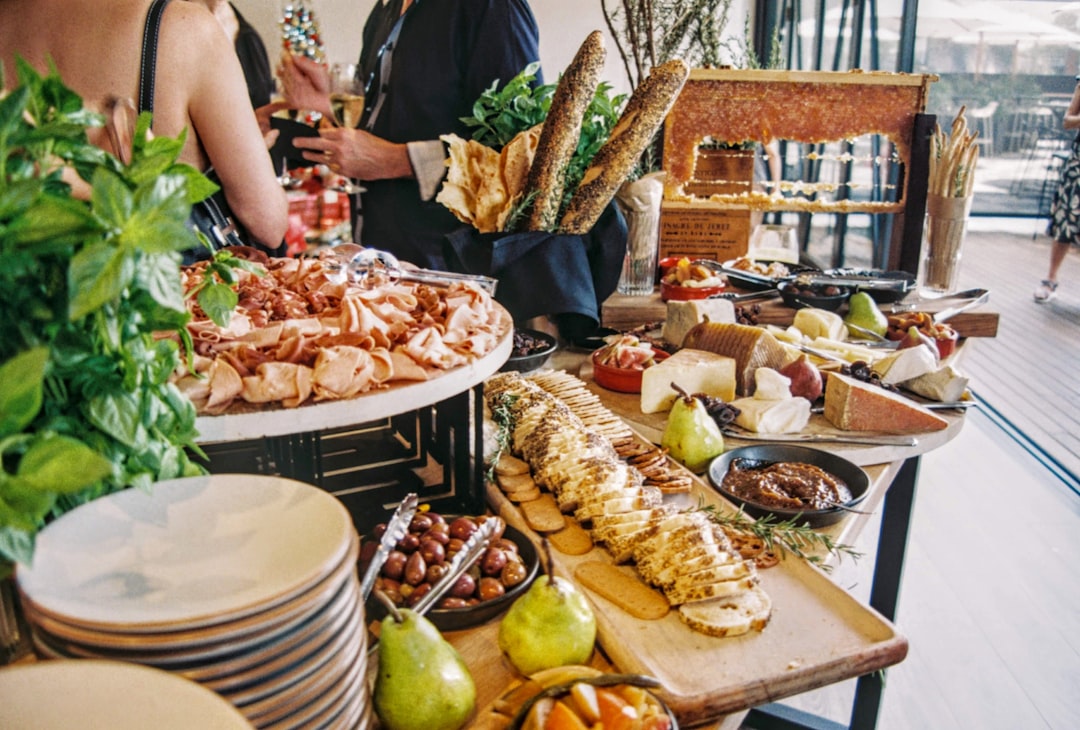
So, you’re planning an event, and the thought of feeding everyone has you thinking about catering. Good move! Choosing the right caterer can make or break your party, and it doesn’t have to be a stressful ordeal. The best way to pick a great catering service near you is to first figure out exactly what you need, then do some targeted research, and finally, have a good chat with your top contenders. It’s all about getting the right fit for your event and your budget.
Before you even start looking at menus, let’s get clear on the basics. This is the most important step, and it’ll save you a ton of time and potential headaches down the road.
What Kind of Event Are You Hosting?
This sounds obvious, but it’s crucial. A casual backyard BBQ has very different catering needs than a formal corporate gala or a wedding reception.
- Occasion: Is it a birthday, anniversary, holiday party, business luncheon, wedding, or something else entirely? The vibe of your event will heavily influence the type of food and service you’ll need.
- Formality: Are you going for black-tie, smart-casual, or super relaxed? This will guide your menu choices and the expected level of service.
- Guest Count: How many people are you expecting? This is a big one for budgeting and determining the caterer’s capacity. Don’t guess too wildly; get a reasonable estimate.
- Time of Day & Duration: A brunch will have different food than a dinner. A short cocktail hour needs different food than a full-service meal that lasts for hours.
What’s Your Budget Like?
Let’s be real, budget is almost always a factor. Knowing your financial limits upfront will help you narrow down your options significantly.
- Per Person Cost: Most caterers will quote you a price per person. Try to have a rough idea of what you’re willing to spend in this range.
- Inclusions: What exactly do you want your budget to cover? Is it just the food, or does it need to include service staff, rentals (plates, cutlery, linens), delivery, setup, and cleanup?
- Hidden Costs: Be on the lookout for things like cake cutting fees, service charges, gratuity, and potential taxes. Ask for a detailed breakdown.
What Kind of Food and Service Are You Dreaming Of?
This is the fun part! Think about the experience you want to create for your guests.
- Cuisine Preferences: Do you have a specific cuisine in mind – Italian, Mexican, Asian, American comfort food, or perhaps something more adventurous? Or are you open to suggestions?
- Dietary Restrictions & Allergies: This is non-negotiable. You must be able to accommodate guests with allergies (like nuts, gluten, dairy) and dietary preferences (vegetarian, vegan, kosher, halal). A good caterer will have experience with this.
- Service Style:
- Buffet: Guests serve themselves. Generally more casual and can be cost-effective.
- Plated Meal: Food is served to guests at their tables. More formal and allows for more precise portion control.
- Family Style: Large platters of food are brought to each table for guests to share. A good middle ground between buffet and plated, encouraging interaction.
- Stations: Different food stations are set up around the venue (e.g., a carving station, pasta station, taco bar). Interactive and offers variety.
- Passed Appetizers/Cocktail Style: Food is served on platters by servers, usually for cocktail hours or events where guests mingle.
- Drop-off Catering: Food is prepared and delivered, but you handle the serving and cleanup. Typically the most budget-friendly but requires more effort from you.
Where to Find Potential Caterers
Now that you know what you’re looking for, it’s time to start the hunt. Luckily, there are several places to look for reputable catering services in your area.
Leveraging Your Network
Your friends, family, and colleagues are often your best resources.
- Word-of-Mouth Recommendations: Ask anyone who has hosted an event recently. Who did they use? What did they like? What would they change? Personal experiences are gold.
- Venue Recommendations: If you’ve booked a venue, they often have a list of preferred or exclusive caterers they work with. This is usually a good starting point as these caterers are vetted and familiar with the venue.
Online Research
The internet is a treasure trove of information, but you need to know where to look and how to filter.
- Google Searches: Use specific keywords like “catering services [your city],” “wedding caterers [your town],” or “corporate event catering near me.”
- Review Sites: Websites like Yelp, Google Reviews, The Knot (for weddings), and local foodie blogs can offer insights. Look for consistent positive feedback, but also consider the context of the reviews.
- Social Media: Instagram and Facebook can be great for visual appeal. Many caterers showcase their beautiful food and past events. Look for their tagged photos too, as that shows real client events.
Exploring Local Options
Don’t forget about the businesses in your immediate vicinity.
- Local Restaurants with Catering: Many restaurants offer catering services. This can be a fantastic option if you already love a particular restaurant’s food.
- Specialty Food Providers: If you have a very specific food requirement (e.g., a vegan bakery for desserts, a BBQ pitmaster), look for those specialists.
What to Look For in a Catering Service
Beyond just having a good menu, a great caterer brings professionalism, reliability, and a willingness to work with you.
Experience and Expertise
Not all caterers are created equal. Some are better suited to certain types of events than others.
- Event Specialization: Do they have experience with events similar to yours? A caterer who excels at small, intimate dinners might not be the best choice for a 300-person wedding.
- Menu Adaptability: Can they customize their menus to fit your needs, or are they strictly follow-the-script? Flexibility is key.
- Problem-Solving Skills: Events rarely go perfectly. A good caterer will have contingency plans and be able to handle unexpected issues smoothly.
Reputation and Reliability
This is where those reviews and recommendations come into play.
- Consistency of Reviews: Look for patterns. Are multiple people praising the same aspects (e.g., food quality, service, punctuality)?
- Professionalism: How do they present themselves? Are their communications clear and prompt?
- Insurance and Licensing: Ensure they are properly insured and licensed, especially if they are serving alcohol. This protects you.
Food Quality and Presentation
This is, of course, paramount. The food needs to taste good, and it should look appealing.
- Sourcing of Ingredients: Do they use fresh, high-quality ingredients? This often translates directly to better taste.
- Taste Testings: For larger or more significant events (like weddings), a tasting is usually essential. This is your chance to sample the food and make decisions.
- Visual Appeal: The way food is presented can significantly impact the guest experience. Does their presentation style match your event’s aesthetic?
Your First Contact: Making Inquiries and Asking the Right Questions
You’ve got a shortlist of potential caterers. Now it’s time to reach out and get the ball rolling. Be prepared to ask thoughtful questions.
Initial Contact and Information Gathering
When you first reach out, be clear about your event details.
- Provide Event Details: Clearly state the date, time, expected guest count, type of event, and your general budget range.
- Request a Proposal/Quote: Ask for a preliminary quote based on the information you’ve provided. Don’t expect a final price immediately, but get an idea of their pricing structure.
- Inquire About Availability: Make sure they are actually available for your chosen date. Popular caterers book up far in advance.
Key Questions to Ask
This is where you dig deeper and get the specifics you need.
- Menu Options:
- “Can you provide sample menus for an event like mine?”
- “How flexible are you with menu customization? Can we swap items or create something entirely new?”
- “What are your most popular dishes for events of this size/type?”
- “How do you handle dietary restrictions and allergies? Can you provide specific dishes or modifications?”
- Service and Staffing:
- “What is your staffing ratio (servers to guests) for buffet/plated service?”
- “What is included in your service? (e.g., setup, breakdown, clearing, serving).”
- “Do you provide bartenders? What is your policy on alcohol service?”
- “Do you offer dessert or cake cutting services?”
- Logistics and Rentals:
- “What rentals do you provide (linens, cutlery, plates, glassware, tables, chairs)? What do we need to rent separately?”
- “What is your delivery and setup fee? Does it vary based on distance?”
- “What is your cancellation policy?”
- “What is your payment schedule?”
- Experience and References:
- “How many events of this type have you catered in the past year?”
- “Can you provide references from past clients with similar events?”
- “Do you have a liquor license if serving alcohol?”
The Proposal and Contract: Reviewing the Details
Once you’ve had conversations and are happy with a caterer, they’ll send you a proposal. This is where you’ll find the nitty-gritty details.
Understanding the Proposal
Don’t just skim this document. Read it carefully, line by line.
- Itemized Costs: Ensure everything is clearly listed: food costs, service staff fees, rental costs, delivery, taxes, gratuity, etc.
- Menu Details: Verify that the menu items, quantities, and any special accommodations are accurately reflected.
- Service Inclusions: Confirm that all the services you discussed are written down.
- Timeline: Note any specific timelines for payments, final guest counts, and menu selections.
What to Look For in the Contract
This is the legally binding document. It’s crucial to be thorough.
- Payment Terms: Understand the deposit amount, due dates for subsequent payments, and the final balance due date.
- Cancellation Policy: This is extremely important. What happens if you have to cancel or postpone? What are the penalties?
- Liability and Insurance: Ensure the caterer has adequate insurance, and understand what liabilities are covered.
- Contingency Plans: Does the contract mention what happens in case of unforeseen circumstances (e.g., extreme weather, caterer illness)?
- Final Guest Count Deadline: This is usually a few days or a week before the event. The caterer will typically charge you based on this final count, so be precise.
- Menu Guarantees: Does the contract guarantee the menu items as discussed?
- Dispute Resolution: How will any disagreements be handled?
Don’t Be Afraid to Negotiate (Slightly)
While you don’t want to nickel-and-dime, there might be room for minor adjustments.
- Package Deals: Sometimes, if you’re using a caterer for multiple services (e.g., appetizers, main course, and dessert), you can inquire about a package discount.
- Off-Peak Dates: If your event date is flexible, catering services might offer slightly better pricing for less popular days of the week or times of the year.
- Rental Flexibility: If you can source some rentals yourself (e.g., you have a friend with a great set of vintage plates), ask if that affects the price.
Choosing a caterer is about finding a partner who can bring your vision to life while ensuring your guests are well-fed and happy. By taking the time to understand your needs, do your research, and ask the right questions, you’ll be well on your way to selecting the best catering services near you for a truly memorable event.