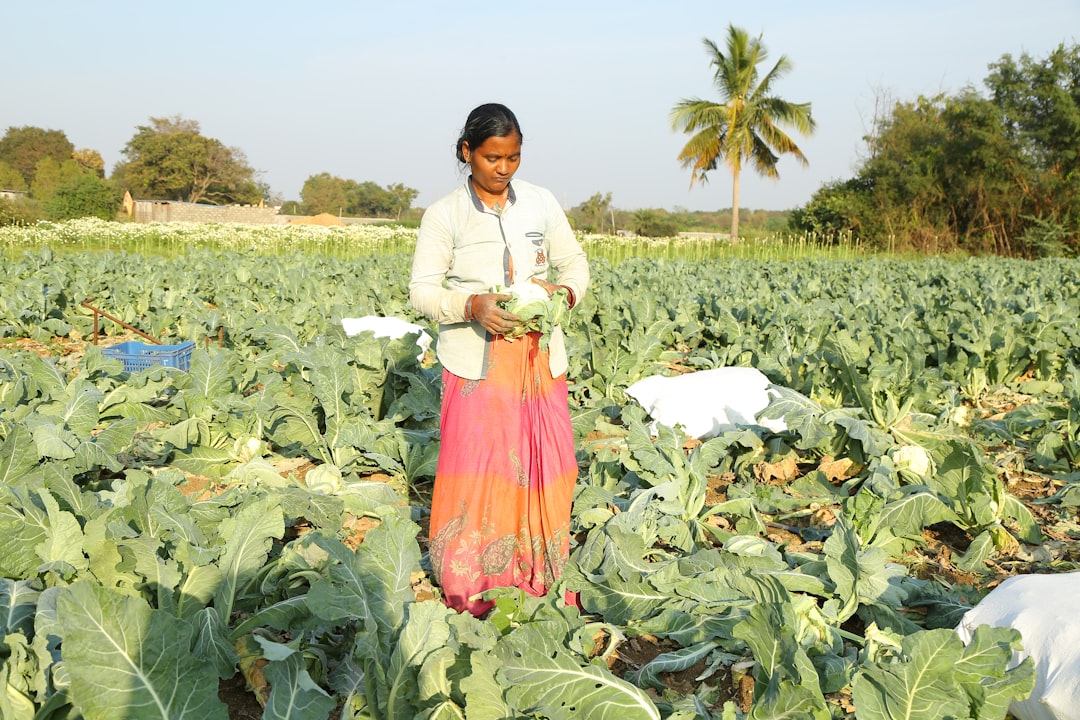
So, you’re looking for the best organic farm-to-table catering for your event. That’s a fantastic choice, and honestly, it’s not as complicated as it might seem. The core idea is simple: find caterers who are genuinely committed to sourcing their ingredients from local, organic farms and preparing them with care.
The “best” is subjective, of course, depending on your specific needs – budget, guest count, dietary preferences, and the overall vibe of your event. But by focusing on a few key areas, you can significantly increase your chances of finding a service that truly delivers on the farm-to-table promise and makes your event delicious and memorable.
Let’s break down this buzzword. It’s more than just a catchy phrase; it represents a philosophy and a commitment.
The “Organic” Part
This isn’t just about avoiding pesticides. Organic certification means that the food is grown and processed according to strict standards that prohibit synthetic fertilizers, pesticides, genetically modified organisms (GMOs), antibiotics, and growth hormones.
The “Farm-to-Table” Part
This emphasizes the direct connection between the farm where food is grown and the table where it’s served. For caterers, this means building relationships with local farmers, understanding their practices, and ideally, sourcing a significant portion of their ingredients from within a reasonable radius.
What to Look For in a Caterer’s Commitment
A genuinely committed farm-to-table caterer will be able to tell you where their food comes from. They’ll be able to name specific farms, talk about their growing practices, and ideally, have a seasonal menu that reflects what’s currently available locally. If they’re vague about sourcing or their menu is the same year-round regardless of what’s in season, it’s a red flag.
Where to Begin Your Search: Local is Key
Your starting point for finding truly exceptional organic farm-to-table catering should always be local. The further the food has to travel, the less likely it is to be truly farm-to-table and fresh.
Leveraging Your Local Community
Think about the resources available right in your area. This is where the real gems are often found.
Farmer’s Markets: Your Direct Connection
This is perhaps the most direct way to find potential caterers. Many chefs and catering companies actively shop at farmer’s markets, building relationships with the farmers themselves.
- Observe and Ask: Visit your local farmer’s market. See who the popular vendors are. Then, discreetly ask the farmers if they supply any local caterers. Many are happy to share who they work with.
- Look for Caterer Booths: Sometimes, smaller caterers or chefs will have their own booths at markets, selling prepared foods and showcasing their commitment to local ingredients. This is a great way to taste their offerings firsthand.
Local Food Hubs and Co-ops
These organizations often act as aggregators and distributors for local farms. They are a natural point of contact for businesses looking to source local produce.
- Search Online: Look for “local food hub [your city/region]” or “agricultural co-op [your city/region]”.
- Inquire Directly: Contact them and ask if they work with or can recommend any caterers who prioritize organic and local sourcing.
Community Supported Agriculture (CSA) Programs
While CSAs are primarily for individual consumers, some caterers partner with them to supplement their supply or to have a guaranteed source of seasonal produce.
- Check CSA Websites: See if any local CSAs list business partners or caterers they work with.
Online Directories and Platforms
While less direct, these can still be useful starting points, especially if you’re in a larger metropolitan area.
Specialized Food & Event Websites
Some platforms are specifically designed to connect people with local and sustainable food businesses.
- “Eat Local” or “Sustainable Food Directory” Searches: Try searching for terms like “organic caterers [your city]” or “farm-to-table catering [your city]” on general search engines.
- Local Food Blogs and Publications: Many regions have dedicated food bloggers or local publications that highlight excellent restaurants and food businesses, including caterers. They often have curated lists or reviews.
Vetting Potential Caterers: What to Ask and Look For
Once you have a few names, it’s time to dig a little deeper. This is where you separate the pretenders from the genuine practitioners.
The “Farm-to-Table” Conversation
This is your opportunity to assess their authenticity. Don’t be afraid to ask direct questions.
Sourcing Specifics: Beyond Generic Statements
You want concrete answers, not vague assurances.
- “Where do you source your produce from?” Listen for specific farm names, towns, or regions. A good caterer will have a list of their primary farm partners.
- “Are these farms certified organic?” If not, ask about their farming practices. Are they “certified naturally grown,” “transitional to organic,” or do they simply follow organic principles? Transparency is key.
- “How much of your produce is sourced locally and seasonally?” A truly dedicated farm-to-table caterer will have a high percentage, especially during peak growing seasons.
- “Do you work with specific farmers directly, or do you source through distributors?” Direct relationships with farmers often mean fresher ingredients and better support for the local agricultural community.
Seasonal Menus: A Sign of Authenticity
A truly farm-to-table caterer’s menu will change with the seasons.
- “Does your menu change seasonally?” If they present a static menu year-round, it’s a strong indicator that they’re not truly committed to local, seasonal sourcing.
- “Can you provide an example of a spring menu versus a fall menu?” This will give you a clear picture of their approach.
Organic Certifications and Practices
Understanding their approach to “organic” is crucial.
Not all “organic” is equal, and some smaller farms may not have formal certification.
- “Do you have a process for verifying the organic practices of your farm partners?” This shows they have a system in place.
- “What is your policy on using organic ingredients?” Are they aiming for 100% organic, or a significant majority? Are there specific ingredients they prioritize being organic?
Beyond Produce: Other Ingredients
Farm-to-table isn’t just about vegetables.
- “Where do you source your proteins (meat, poultry, fish)?” Look for local, ethical, and sustainable sources. This might include pasture-raised meats, sustainable seafood, or local poultry farms.
- “What about dairy and eggs?” Are they sourced from local dairies and farms that prioritize animal welfare?
Tasting and Samples
Words are good, but taste is better.
The Proof is in the Pudding (or the Salad, or the Entrée!)
If possible, arrange a tasting. This is non-negotiable for important events.
- “Can we arrange a tasting of some of your signature dishes?” This allows you to experience the quality of their ingredients and their culinary skill firsthand.
- “Can you prepare a sample dish using ingredients that would be in season for our event date?” This is the ultimate test of their seasonal sourcing capabilities.
Understanding Pricing and Budget Considerations
Organic farm-to-table catering can sometimes come with a higher price tag. It’s important to understand why and how to manage your budget.
The Value Proposition of Farm-to-Table
It’s not just about the food; it’s about the philosophy and the quality.
Factors Influencing Cost
- Higher Ingredient Costs: Organic and locally sourced ingredients often cost more than conventionally farmed, mass-produced ones. This is due to smaller scale operations, labor-intensive practices, and certification costs.
- Seasonality and Availability: Sometimes, certain ingredients might be scarce or expensive due to weather or growing cycles, impacting menu costs.
- Logistics: Sourcing from multiple small farms can involve more complex logistics for the caterer, which can also add to the cost.
- Culinary Expertise: Farm-to-table caterers often employ skilled chefs who specialize in maximizing the flavor and potential of fresh, seasonal ingredients.
Budgeting Strategies
It’s about making informed choices.
Prioritizing Your Spend
- Focus on Key Dishes: If budget is tight, consider where you want to invest the most. Perhaps splurge on the main course or a signature appetizer, and be more conservative with other items.
- Simpler Preparations: Sometimes, the most delicious farm-to-table food is also the simplest. Overly complex preparations can sometimes mask the natural flavors of great ingredients.
Working with Your Caterer
- Be Transparent About Your Budget: Have an open conversation with potential caterers about your budget constraints. A good caterer will work with you to find solutions.
- Menu Flexibility: Be open to their suggestions for seasonal ingredients that might be more readily available and cost-effective. They might suggest a delicious dish with ingredients that are abundant at that time.
- Guest Count and Service Style: The number of guests and the chosen service style (plated, buffet, family-style) will significantly impact the overall cost.
Finalizing Your Choice: Beyond the Food
Once you’ve narrowed down your options, consider these final points to ensure a smooth experience.
The Caterer’s Ethos and Reputation
It’s about more than just what’s on the plate; it’s about the company behind it.
Looking at Their Overall Business Practices
- Sustainability Beyond Food: Do they have other sustainable practices, like composting, reducing waste, or using eco-friendly packaging?
- Community Involvement: Do they support local farms and the broader community? This can often be a good indicator of their values.
Reviews and Testimonials
Don’t just rely on what they tell you.
- Online Reviews: Look for reviews on platforms like Yelp, Google, or dedicated wedding/event sites. Pay attention to comments about food quality, service, and professionalism.
- Ask for References: Don’t hesitate to ask for references from past clients, especially those who had similar events.
The Importance of Clear Contracts
Protect yourself and ensure everyone is on the same page.
What to Ensure is in Writing
- Detailed Menu: A clear, itemized menu of everything that will be served.
- Ingredient Sourcing Guarantees: Clauses that outline their commitment to organic and local sourcing for the dishes provided.
- Pricing and Payment Schedule: All costs, including any taxes, service charges, or gratuities, clearly laid out.
- Cancellation and Refund Policies: What happens if either party needs to cancel.
- Service Details: Times, locations, staffing levels, and any other logistical arrangements.
By following these steps, you’ll be well on your way to finding an organic farm-to-table catering service that not only feeds your guests delicious, high-quality food but also aligns with your values and makes your event a true success. Remember, the best caterer will be a partner who shares your enthusiasm for fresh, local ingredients.