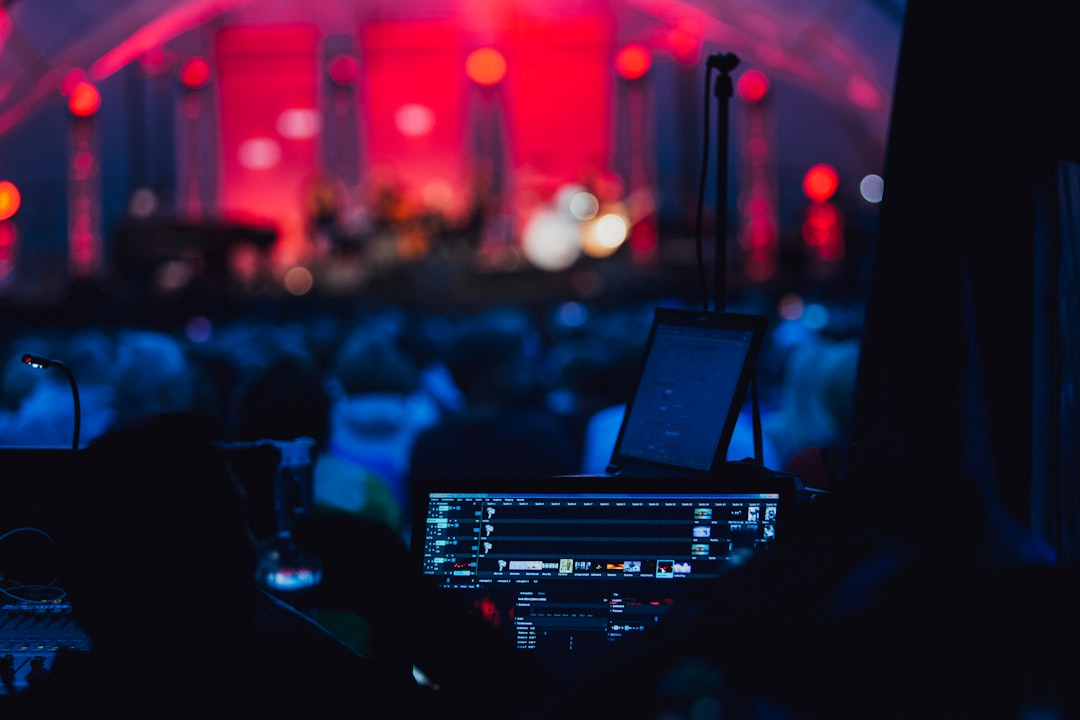
Deciding between a hybrid and a virtual event boils down to your specific goals and audience. Neither is inherently “better” than the other; instead, they each offer distinct advantages and disadvantages that make them more suitable for different scenarios. Think of it less as a competition and more as choosing the right tool for the job.
Before we dive into comparisons, let’s make sure we’re on the same page about what these event types entail. The definitions might seem obvious, but understanding the nuances is key to making an informed decision.
Virtual Events: The Digital Frontier
A virtual event is entirely online. Attendees participation happens from wherever they are, using a computer or mobile device to access the event content. Think webinars, online conferences, virtual trade shows, or even digital concerts. They’re accessible from anywhere with an internet connection, removing geographical barriers entirely.
Hybrid Events: Blending the Best of Both Worlds
A hybrid event combines aspects of both in-person and virtual gatherings. There’s a physical, live component where some attendees and speakers are present, and this is simultaneously broadcast to a wider, remote audience. It’s not just a live stream of an in-person event; a truly hybrid event is designed with both audiences in mind, offering tailored experiences for each.
Key Considerations for Choosing Your Event Type
When you’re trying to figure out which format is right for your next event, there are a few core areas you should focus on. These factors will heavily influence your decision.
Audience Reach and Accessibility
This is often one of the biggest drivers for choosing an event format. Consider how far you want your message to travel and who you want to include.
Virtual Events: Global Access on a Budget
Virtual events win hands down for maximizing reach and accessibility. Anyone, anywhere can attend, as long as they have an internet connection. This is fantastic for breaking down geographical, time, and even financial barriers. People who might not be able to afford travel or take time off work can still participate. It also allows for greater diversity in your audience and speakers.
Hybrid Events: Blending Local and Remote
Hybrid events still offer significant reach beyond a purely in-person event, as the virtual component allows for remote attendees. However, the in-person component naturally limits the physical audience to those who can travel. While the virtual side is globally accessible, the “hybrid” nature implies a stronger focus on two distinct attendee experiences. It’s great for communities that have a strong local hub but also want to include a wider, decentralized group.
Engagement and Interaction
How do you want your attendees to connect with the content, with speakers, and with each other? Different formats lend themselves to different types of interaction.
Virtual Events: Structured Digital Engagement
Engagement in virtual events relies heavily on the platform’s features. This can include live Q&A functions, polls, breakout rooms, virtual networking lounges, and chat features. While these can be highly effective, they often require more active facilitation to prevent passive consumption. The energy can be different; it’s often more focused on direct content consumption and structured interaction. Building genuine, spontaneous connections can be harder virtually.
Hybrid Events: Diverse Engagement Opportunities
Hybrid events offer the best of both worlds here. In-person attendees benefit from direct, spontaneous interactions, informal networking opportunities during breaks, and the immersive experience of a shared physical space. For the virtual audience, engagement tools are similar to those in a purely virtual event. The challenge with hybrid is ensuring that the remote audience doesn’t feel like a secondary thought. Designing engaging experiences for both groups simultaneously requires careful planning and dedicated resources. Making sure virtual Q&As are integrated smoothly with live ones, or that remote attendees have their own networking sessions, is crucial.
Budget and Resources
Let’s be real, cost is almost always a factor. Both formats require investment, but in different areas.
Virtual Events: Cost-Effective with Platform Investment
Generally, virtual events tend to be more cost-effective. You save significantly on venue rental, catering, travel and accommodation for speakers and staff, and often on physical marketing materials. Your main investments shift to a robust virtual event platform, potentially professional streaming services, and a strong digital marketing campaign. While tempting to go cheap, a high-quality virtual event still requires a good budget for tech and production value.
Hybrid Events: Double the Work, Double the Budget (Often)
Hybrid events can be the most expensive option. You’re essentially running two events simultaneously: an in-person one and a virtual one. This means double the logistics, often double the team (for managing both audiences), and certainly double the budget in many areas. You still have venue costs, catering, and on-site staff, plus the need for high-quality audio-visual tech to stream the in-person event professionally to your virtual audience, and the virtual platform itself. It’s a significant undertaking.
Technical Requirements and Production Level
The technology needed for each format varies considerably. Don’t underestimate the complexity, especially for hybrid events.
Virtual Events: Focus on Platform and Connectivity
For virtual events, the core technical requirements revolve around a reliable virtual event platform, good internet bandwidth for speakers and attendees, and potentially professional streaming equipment if you want high production value. Speakers need decent microphones and webcams. The key is ensuring a smooth, glitch-free online experience for everyone. Testing everything repeatedly is non-negotiable.
Hybrid Events: A-Level Technical Prowess
This is where hybrid events get truly complex. You need all the tech for an in-person event (sound systems, screens, projectors), plus professional-grade broadcasting equipment to stream the live content flawlessly. This means high-definition cameras, professional microphones for every speaker, robust internet connectivity at the venue, and a dedicated AV team to manage the live production and the virtual platform integration. Technical hiccups in a hybrid event can quickly alienate both audiences.
Content Delivery and Experience
The way content is presented and consumed differs, impacting the overall attendee experience.
Virtual Events: Pre-recorded and Live Flexibility
Virtual events offer a lot of flexibility in content delivery. You can mix pre-recorded sessions with live Q&As, conduct interactive workshops, or host panel discussions. This allows for excellent production quality on pre-recorded segments and consistency. Attendees can re-watch sessions on demand, which adds value. However, the experience can sometimes feel less immersive than an in-person event.
Hybrid Events: Dynamic, Multi-Dimensional Content
With hybrid, you have the opportunity for a very dynamic content experience. In-person attendees get the full sensory experience of a live presentation, while virtual attendees can access the same content from afar. The challenge is ensuring the content is equally engaging for both. For example, interactive elements designed for the live audience need a virtual equivalent, and vice-versa. Think about how a poll might be conducted or a Q&A managed so both groups feel equally involved.
When to Choose Virtual
A purely virtual event is often the best choice in several specific scenarios.
Maximizing Global Reach
If your primary goal is to reach the largest possible audience regardless of location, a virtual event is your go-to. This is ideal for global industry conferences, widespread educational programs, or product launches targeting an international market.
Budget-Conscious Initiatives
When your budget is tight, or you want to maximize the return on a lower investment, virtual events are typically more cost-effective. You can allocate resources primarily to content creation, platform features, and digital marketing.
Low Barrier to Entry for Attendees
If you want to remove as many obstacles as possible for attendance (travel time, costs, logistical complexities), a virtual event is excellent. This is particularly useful for events targeting busy professionals, individuals with limited travel budgets, or those with accessibility needs.
Environmental Considerations
Virtual events have a significantly smaller carbon footprint than in-person or hybrid events, as they eliminate attendee travel. If sustainability is a key value for your organization, virtual is a strong choice.
When to Lean Towards Hybrid
Hybrid events are powerful for specific objectives, particularly when you want to combine elements of community and wide access.
Fostering Strong Community & Networking (Local + Global)
If you have a core community that benefits immensely from in-person interaction but also want to expand that community globally, hybrid is an excellent fit. It allows for the deep connections formed face-to-face while still including those who can’t be there physically.
Enhancing Speaker & Sponsor Value
For keynote speakers, the energy of a live audience can be incredibly motivating. For sponsors, a hybrid event offers both on-site brand visibility and digital exposure to a wider virtual audience, potentially increasing their ROI.
Building Immersive Experiences (with a Virtual Component)
If your event benefits from hands-on activities, product demonstrations, or a highly curated physical environment (like an art exhibition or a festival), but you still want to share aspects of that experience with a wider audience, hybrid makes sense.
Adapting to Evolving Circumstances
In times of uncertainty (like health crises or travel restrictions), a hybrid model provides a built-in contingency. If the in-person component needs to scale down or cancel, the virtual component can still proceed, offering resilience.
Making The Decision: A Practical Checklist
Instead of asking “which is better?”, frame it as “which is right for this specific event?” Here’s a quick checklist to guide your decision:
- What are your primary goals? (e.g., maximum reach, deep networking, content delivery, lead generation, community building)
- Who is your target audience? (local, national, global? tech-savvy? budget-conscious?)
- What’s your budget? Be realistic about what you can afford for both production and promotion.
- What are your technical capabilities? Do you have the in-house expertise or budget to hire the necessary AV and platform support?
- What level of engagement do you aim for? Passive viewing, structured Q&A, spontaneous networking?
- How important is a physical presence for your event’s objectives?
- What kind of content are you delivering? Does it lend itself better to a physical environment, or can it be equally impactful virtually?
- What’s your timeline? Hybrid events generally require more planning time.
Ultimately, both virtual and hybrid events have cemented their place in the event landscape. The “better” choice is the one that aligns most closely with your objectives, resources, and audience needs. It’s about thoughtful planning and understanding the unique strengths and challenges each format presents.