The effective management of event ticketing is a cornerstone of successful event planning. Ticketing platforms, once merely transaction processors, have evolved into comprehensive tools designed to streamline operations, enhance attendee experience, and provide actionable insights. This article explores the multifaceted benefits of leveraging ticketing platforms to maximize event success, from initial planning stages to post-event analysis.
A ticketing platform serves as a central nervous system for your event’s access control and revenue generation. It typically encompasses features for ticket creation, sales, distribution, and validation. Beyond these core functions, modern platforms integrate with various event management processes, offering a holistic approach to attendee engagement and operational efficiency. Think of it as a control tower, managing the flow of your audience and the critical data associated with their participation.
Core Functionalities
At their fundamental level, ticketing platforms handle the creation and sale of event passes. This includes:
- Ticket Configuration: Defining ticket types (e.g., general admission, VIP, early bird), pricing tiers, and quantity limits.
- Sales Channels: Facilitating online ticket purchases through a dedicated event page, embedded widgets, or API integrations.
- Payment Processing: Integrating with various payment gateways to securely handle transactions.
- Order Management: Storing attendee information, purchase history, and facilitating refunds or transfers.
Evolution Beyond Basic Sales
The landscape of ticketing platforms has expanded significantly. They now offer features that extend far beyond simply selling tickets, acting as strategic partners in event execution. This evolution is driven by the increasing complexity of events and the demand for more sophisticated data and attendee interaction.
Event ticketing platforms have revolutionized the way we purchase and manage tickets for various events, making the process more efficient and user-friendly. For those interested in exploring the impact of technology on ticket sales and event management, a related article can be found at this link, which discusses innovative approaches and insights into the future of event ticketing.
Enhancing Attendee Experience and Engagement
A seamless and positive attendee journey begins long before the event day. Ticketing platforms play a crucial role in shaping this experience, from the moment a potential attendee discovers your event to their post-event interactions. Consider the ticketing platform as the first impression your attendees have of your event’s professionalism and organization.
Streamlined Purchase Process
A cumbersome ticket buying experience can deter potential attendees. Modern ticketing platforms prioritize user-friendliness.
- Intuitive Interface: A clean and easy-to-navigate interface minimizes confusion and reduces cart abandonment rates.
- Mobile Responsiveness: Ensuring the purchase process is optimized for all devices, especially smartphones, is critical in today’s mobile-first world.
- Personalized Options: Offering add-ons, merchandise, or bundled packages during the purchase flow can enhance value and increase revenue.
Effective Communication Channels
Ticketing platforms provide built-in tools for communicating with attendees, acting as a direct line of information.
- Automated Confirmations: Immediate receipt of purchase confirmations, including ticket details and event information, reduces anxiety and provides essential documentation.
- Event Updates: Platforms enable organizers to send broadcast messages regarding schedule changes, venue information, or important announcements, keeping attendees informed.
- Pre-Event Reminders: Automated reminders can reduce no-shows and ensure attendees arrive prepared.
On-Site Experience Optimisation
The benefits of ticketing platforms extend visually to the event day, streamlining entry and managing flow.
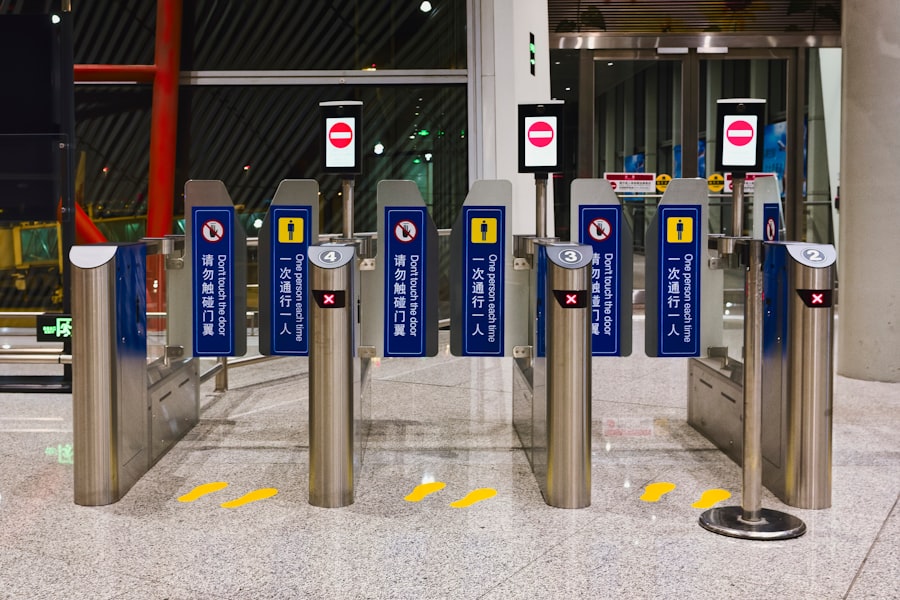
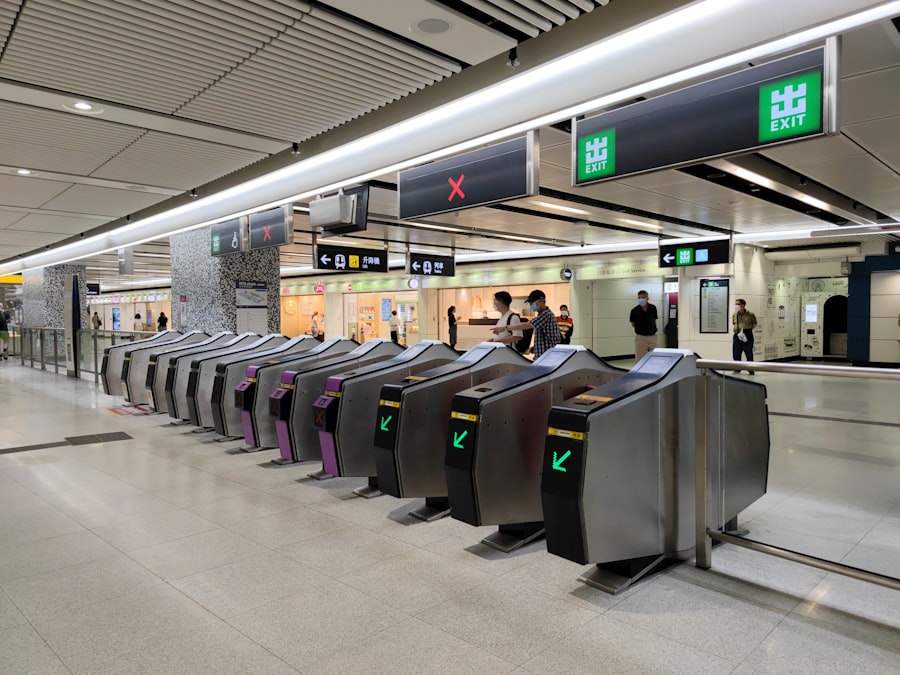
- Efficient Check-in: QR code or barcode scanning systems facilitate rapid attendee entry, minimizing queues and improving initial impressions.
- Badge Printing Integration: Some platforms offer integrations for on-demand badge printing, further accelerating the check-in process.
- Access Control: Advanced features allow for segmented access based on ticket types, ensuring adherence to security and capacity protocols.
Optimizing Event Operations and Logistics
Behind every successful event lies robust operational planning. Ticketing platforms provide the tools necessary to manage various logistical aspects, turning potential chaos into organized efficiency. Think of the platform as the conductor of your event orchestra, ensuring each section plays in harmony.
Data-Driven Decision Making
The data generated by ticketing platforms is invaluable for operational planning and strategic adjustments.
- Real-time Sales Tracking: Monitoring ticket sales allows organizers to assess demand, adjust marketing efforts, and predict attendance accurately.
- Attendee Demographics: Collecting optional demographic data can inform future event planning, content curation, and targeted marketing campaigns.
- Capacity Management: Platforms provide clear visibility into remaining ticket inventory, aiding in adherence to venue capacity limits and safety regulations.
Staff and Volunteer Management
Operational efficiency is also tied to effective human resource deployment.
- Access Permissions: Granting varying levels of access to platform functionalities allows staff to perform specific tasks without compromising overall data security.
- Volunteer Registration: Some platforms offer modules for volunteer recruitment and management, streamlining coordination efforts.
- On-site Support Tools: Mobile apps for check-in staff provide real-time data, troubleshooting capabilities, and communication tools.
Financial Management and Reporting
Financial transparency and accountability are paramount for event organizers.
- Revenue Tracking: Detailed reports on ticket sales, processing fees, and net revenue provide a clear financial overview.
- Refund and Chargeback Management: Platforms typically include features to manage refunds efficiently and track chargebacks.
- Exportable Data: Data can be exported for integration with accounting software, simplifying financial reconciliation and tax preparation.
Maximizing Marketing and Promotion Efforts
Ticketing platforms are no longer passive transaction portals; they are active participants in your marketing ecosystem, extending your reach and enhancing promotional strategies. Consider the platform as a powerful marketing engine, amplifying your message and attracting your desired audience.
Integrated Marketing Tools
Many platforms offer built-in marketing functionalities or seamless integrations with popular marketing tools.
- Email Marketing: Built-in email campaign tools allow organizers to send promotional messages, event updates, and post-event follow-ups to registered attendees and interested prospects.
- Social Media Integration: Direct sharing options and pixel integrations facilitate targeted advertising campaigns on platforms like Facebook, Instagram, and X (formerly Twitter).
- Referral Programs: Some platforms support referral programs, incentivizing attendees to share the event with their networks, acting as brand ambassadors.
Leveraging Data for Targeted Campaigns
The data collected during the ticketing process is a goldmine for refining marketing strategies.
- Audience Segmentation: Analyzing attendee demographics and purchase behavior allows for highly targeted marketing campaigns, addressing specific audience segments with tailored messages.
- A/B Testing: Running A/B tests on ticket pricing, promotional offers, or landing page designs can optimize conversions and identify effective strategies.
- Retargeting Campaigns: Utilizing pixel data to retarget website visitors who did not complete a purchase can bring them back to the sales funnel.
Enhanced SEO and Discoverability
A well-optimized event page within a ticketing platform can significantly improve search engine visibility.
- Optimized Event Pages: Platforms often provide tools for optimizing event page titles, descriptions, and keywords, improving search engine rankings.
- Calendar Integrations: Integration with popular online calendars (e.g., Google Calendar, Apple Calendar) allows attendees to easily add events to their personal schedules.
- Partnership Opportunities: Some platforms have extensive networks or directories, increasing the discoverability of your event to a wider audience.
Event ticketing platforms have revolutionized the way we purchase and manage tickets for various events, making the process more efficient and user-friendly. For those interested in exploring the latest trends and innovations in this space, a related article can provide valuable insights. You can read more about the evolution of ticketing solutions in this informative piece on skeleton puns, which highlights the importance of adapting to changing consumer preferences and technology advancements.
Advanced Features and Future Trends
| Platform | Monthly Active Users | Supported Event Types | Average Ticket Price | Service Fee Percentage | Mobile App Availability | Key Features |
|---|---|---|---|---|---|---|
| Eventbrite | 4 million | Concerts, Conferences, Workshops, Festivals | 45 | 2.5% | Yes | Customizable event pages, social media integration, analytics |
| Ticketmaster | 8 million | Sports, Concerts, Theater, Festivals | 75 | 15% | Yes | Verified tickets, dynamic pricing, mobile ticketing |
| StubHub | 3 million | Sports, Concerts, Theater | 65 | 10% | Yes | Secondary marketplace, interactive seat maps, buyer protection |
| Brown Paper Tickets | 500,000 | Community events, Theater, Festivals | 30 | 3% | No | Low fees, customer support, paper ticket options |
| Universe | 1 million | Concerts, Conferences, Workshops | 40 | 2% | Yes | Custom branding, real-time analytics, integrations |
The evolution of ticketing platforms is ongoing, with new technologies and functionalities constantly emerging. Staying abreast of these advancements is crucial for maintaining a competitive edge and continually enhancing event success. Consider this an exploration of the next frontier in event management, where innovation meets necessity.
Dynamic Pricing and Yield Management
Sophisticated algorithms are transforming how tickets are priced, mirroring strategies seen in the airline and hospitality industries.
- Demand-Based Pricing: Adjusting ticket prices in real-time based on demand, sales velocity, and remaining inventory. This can maximize revenue and incentivize early purchases.
- Tiered Pricing: Offering different price points based on purchase timing or specific features, encouraging early commitments.
Contactless and Digital Ticketing
The shift towards completely digital and contactless solutions was accelerated by recent global events and continues to be a dominant trend.
- Mobile Tickets: Storing tickets directly on smartphones via wallet apps or dedicated event apps, reducing reliance on physical tickets.
- NFC/RFID Integration: Utilizing near-field communication (NFC) or radio-frequency identification (RFID) for swift, secure entry and potential in-event purchases.
- Biometric Authentication: In certain high-security or high-volume events, biometric solutions offer another layer of access control and fraud prevention.
Integration with Broader Event Technology Ecosystems
Ticketing platforms are increasingly designed to be interoperable with a wider array of event technologies.
- CRM Integration: Synchronizing attendee data with customer relationship management (CRM) systems for enhanced long-term engagement and marketing.
- Virtual/Hybrid Event Platforms: Seamlessly integrating ticketing with virtual event platforms for online access control and content distribution.
- AI and Machine Learning: Leveraging AI for personalized recommendations, predictive analytics on attendee behavior, and automated customer support.
Event ticketing platforms have revolutionized the way we purchase and manage tickets for various events, making the process more convenient and efficient. For those interested in exploring the impact of technology on event planning, a related article discusses the evolution of online ticketing systems and their benefits for both organizers and attendees. You can read more about it in this insightful piece on event management.
Conclusion
Maximizing event success in the contemporary landscape requires a strategic approach, and ticketing platforms are indispensable tools in this endeavor. From simplifying the purchasing process and enhancing attendee experience to optimizing operational logistics and amplifying marketing efforts, these platforms offer comprehensive solutions. By understanding their multifaceted capabilities and embracing emerging trends, organizers can transform events from mere gatherings into meticulously managed, highly successful experiences, ensuring both attendee satisfaction and organizational objectives are met. The judicious selection and utilization of a robust ticketing platform is not merely a convenience; it is a critical investment in the overall success and longevity of any event.
FAQs
What is an event ticketing platform?
An event ticketing platform is an online service that allows event organizers to create, promote, and sell tickets for various events such as concerts, conferences, sports games, and festivals. These platforms handle ticket sales, distribution, and often provide tools for event management.
How do event ticketing platforms work?
Event organizers set up their event details on the platform, including date, location, ticket types, and prices. Customers can then browse events, purchase tickets online, and receive digital or physical tickets. The platform manages payment processing, ticket validation, and sometimes entry scanning at the event.
Are there fees associated with using event ticketing platforms?
Yes, most event ticketing platforms charge fees either to the event organizer, the ticket buyer, or both. These fees can be a flat rate or a percentage of the ticket price and cover services like payment processing, customer support, and platform maintenance.
Can event ticketing platforms handle large-scale events?
Many event ticketing platforms are designed to support events of all sizes, from small local gatherings to large-scale concerts and festivals. They offer scalable solutions to manage high volumes of ticket sales and provide features like reserved seating and real-time sales tracking.
What security measures do event ticketing platforms use?
Event ticketing platforms implement various security measures such as encrypted payment processing, fraud detection, secure ticket delivery, and anti-counterfeiting technologies like QR codes or RFID. These measures help protect both organizers and attendees from fraud and unauthorized access.