So, you want to rank higher on Google in 2026? The short answer is to focus on creating genuinely helpful content that answers user questions, optimize for core web vitals and user experience, and build authority through relevant backlinks. While some fundamentals remain, search is evolving, and staying ahead means adapting.
Understanding the Evolving Landscape
The digital world never stands still, and search engines like Google are no exception. What worked perfectly well a few years ago might not be as effective in 2026. We’re seeing a shift towards more sophisticated AI and machine learning in how content is understood and ranked. This means fewer quick hacks and more emphasis on genuine value.
User Intent is King
Forget keyword stuffing or trying to trick Google. By 2026, understanding and satisfying user intent will be more critical than ever. Google’s algorithms are getting better at deciphering what a user really wants when they type a query.
Decoding User Intent
- Informational: Users are looking for answers to questions, how-tos, or explanations. Think blog posts, guides, and FAQs.
- Navigational: Users want to reach a specific website or page. Your brand name or highly recognizable product names fall here.
- Transactional: Users are ready to buy something, sign up for a service, or perform a specific action. Product pages and service pages are key.
- Commercial Investigation: Users are researching before making a purchase. Comparisons, reviews, and detailed product information are vital.
Understanding which intent applies to your target keywords helps you craft content that truly resonates and performs well.
Content Quality and E-E-A-T
This isn’t new, but its importance will only continue to grow. E-E-A-T stands for Experience, Expertise, Authoritativeness, and Trustworthiness. Google wants to show users the most reliable and highest-quality information available.
Demonstrating E-E-A-T
- Experience: Show that you or your content creators have firsthand experience with the topic. This could be through personal stories, demonstrations, or practical advice based on real-world application.
- Expertise: Who is writing this? Are they qualified? Do they have credentials? Highlight your authors’ qualifications, link to their professional profiles, and ensure your content is accurate and well-researched.
- Authoritativeness: Is your site recognized as a go-to source for this information? This is built through backlinks from reputable sites, mentions, and consistent high-quality content. Become a thought leader in your niche.
- Trustworthiness: Is your site secure (HTTPS)? Is your information factual and unbiased? Do you have clear privacy policies and contact information? Transparency builds trust.
- Original Research & Insights: Don’t just regurgitate what everyone else is saying. Conduct your own surveys, experiments, or analysis to offer fresh perspectives and data. This makes your content truly unique and valuable.
- Up-to-date Information: The world changes quickly. Regularly review and update your content to ensure it remains accurate and relevant. Stale information won’t cut it.
Technical SEO for Speed and User Experience
Google has been emphasizing Core Web Vitals for a while now, and their importance will only solidify. A fast, stable, and visually smooth website isn’t just nice to have; it’s a ranking factor.
Mastering Core Web Vitals (CWV)
- Largest Contentful Paint (LCP): This measures how long it takes for the largest content element (like a main image or hero text) to become visible within the viewport. Aim for under 2.5 seconds. Optimize images, use efficient web fonts, and ensure your server response time is low.
- First Input Delay (FID): This measures the time from when a user first interacts with a page (e.g., clicks a button) to the time the browser is actually able to respond to that interaction. Keep FID below 100 milliseconds. Optimize JavaScript execution and break up long tasks.
- Cumulative Layout Shift (CLS): This measures the unexpected shift of visual page content. Think of elements moving around after the page has started loading, causing users to accidentally click the wrong thing. Aim for a CLS score of less than 0.1. Specify image dimensions, avoid injecting content above existing content, and ensure ads and embeds have reserved space.
Other Technical Essentials
- Mobile-First Indexing: This isn’t a future trend; it’s standard. Ensure your site is fully responsive and offers an excellent experience on all devices, especially mobile.
- Schema Markup (Structured Data): This helps search engines understand the context of your content. Use relevant schema types (e.g., Article, Product, FAQPage, HowTo) to enhance your visibility in rich results. This can significantly increase click-through rates.
- Site Architecture: A logical, crawlable site structure helps both users and search engines navigate your content efficiently. Use internal linking effectively, create clear categories, and ensure no pages are orphaned.
- HTTPS: Still a non-negotiable. If your site isn’t secure, you’re already behind.
- Crawlability and Indexability: Regularly check your Google Search Console for any crawling errors or issues preventing your important pages from being indexed. Use a robots.txt file effectively and a comprehensive sitemap.
Building Authoritative Backlinks (Quality Over Quantity)
Backlinks remain a powerful signal of authority and trust. However, the game has shifted firmly towards quality and relevance. Google is far more adept at identifying spammy or unnatural link schemes.
Strategies for Earning High-Quality Backlinks
- Create Link-Worthy Content: This is foundational. If your content is truly exceptional, unique, or provides undeniable value, others will naturally want to link to it. Think data studies, ultimate guides, unique tools, or groundbreaking research.
- Broken Link Building: Find broken links on reputable websites in your niche. Create content that replaces the dead resource and then reach out to the site owner, suggesting your content as a replacement.
- Resource Page Outreach: Many websites compile lists of useful resources. Identify these pages and propose your relevant content for inclusion.
- Guest Posting (Strategic): Guest posting can still be effective, but only if done authentically. Focus on high-authority sites with genuinely relevant audiences. Your goal should be to provide value to their readers, not just to snag a link. The content should be expertly written and unique to that publication.
- Digital PR: Get your brand and content featured in news outlets, industry publications, and influential blogs. This often involves creating newsworthy campaigns or conducting original research.
- Competitor Backlink Analysis: Use tools to see where your competitors are getting their links from. This can reveal opportunities you might have missed. Don’t just blindly copy; analyze why those links were given.
- Brand Mentions: Monitor for unlinked brand mentions. If someone mentions your brand, product, or a key person, politely reach out and ask if they’d be willing to turn that mention into a link.
The Rise of AI in Search and Content
Artificial intelligence is not just a buzzword; it’s fundamentally changing how search engines operate and how users interact with them. You need to consider AI in your SEO strategy.
Optimizing for AI-Powered Search
- Generative AI Integration: Expect more generative AI within search results, providing direct answers rather than just links. Your content needs to be precise and factual enough to be sourced by these AI models.
- Semantic Search: Google’s understanding of language is incredibly advanced. Focus on semantic relationships between keywords and topics, not just exact match keywords. Write naturally, as if you’re explaining something to a human.
- Question Answering (QA): As voice search and AI assistants become more prevalent, optimizing for direct questions and answers will be crucial. Structure your content to clearly answer common questions related to your topic.
- SGE (Search Generative Experience) and Beyond: Google is experimenting with fully AI-generated search results. While the full impact is yet to be determined, the emphasis will be on clear, concise, and trustworthy information that can be easily summarized by AI. Your content should be digestible and verifiable.
- AI-Assisted Content Creation: While completely AI-generated content might face scrutiny from Google unless it demonstrates E-E-A-T, AI can be a powerful tool for research, ideation, outlining, and even drafting. Use AI to augment human creativity and expertise, not replace it entirely. Always review and refine AI outputs for accuracy, tone, and originality.
Local SEO (If Applicable)
For businesses with a physical location or serving a specific geographic area, local SEO will continue to be a vital component of visibility.
Boosting Your Local Presence
- Google Business Profile (GBP) Optimization: Your GBP listing is your most important local SEO asset. Ensure it’s fully optimized with accurate business information (Name, Address, Phone – NAP), opening hours, services, photos, and regular posts.
- Reviews: Encourage customers to leave reviews on your GBP and respond promptly and professionally to all reviews, positive and negative. Reviews are a huge trust signal for both users and Google.
- Local Citations: Ensure your NAP information is consistent across all online directories (Yelp, Yellow Pages, industry-specific sites, etc.). Inconsistent information can confuse search engines.
- Location-Specific Content: Create blog posts or service pages optimized for specific local keywords (e.g., “best coffee shop in [city],” “plumber in [neighborhood]”).
- Local Link Building: Seek out links from local businesses, community organizations, and local news websites.
Analytics and Continuous Improvement
SEO isn’t a one-and-done task. The digital landscape constantly shifts, and your strategy needs to evolve with it.
Monitoring and Adapting
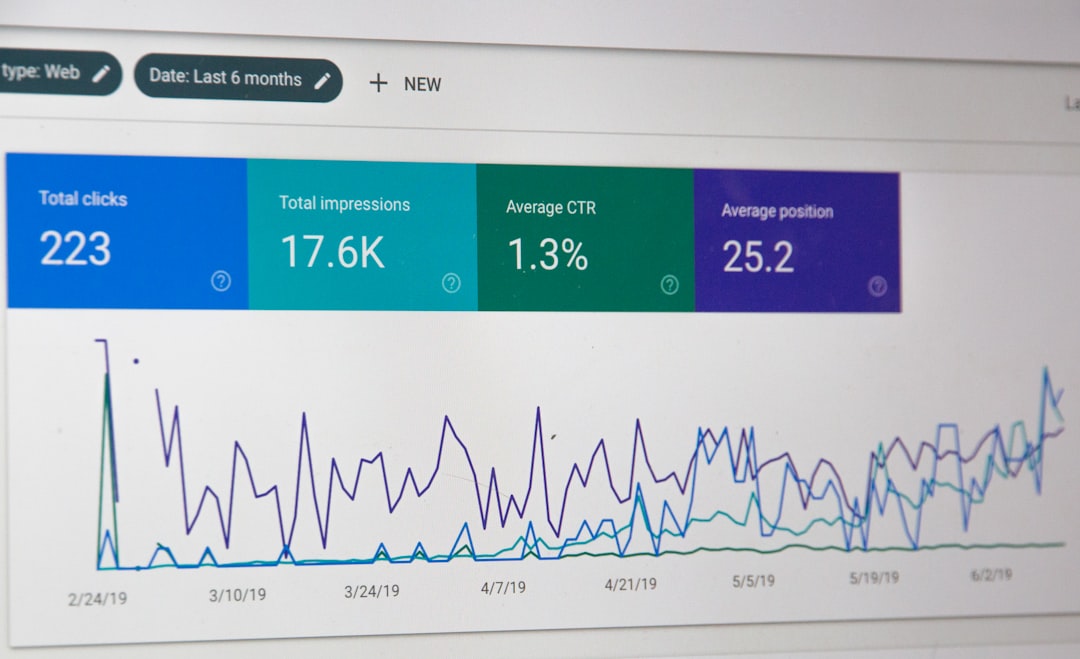
- Google Search Console (GSC): This is your direct line to how Google sees your site. Monitor performance (clicks, impressions, average position), index coverage, core web vitals, and any manual actions.
- Google Analytics (GA4): Understand user behavior on your site. Where are they coming from? What pages do they visit? How long do they stay? This data informs content improvements and user experience optimizations.
- Competitor Analysis: Regularly spy on your competitors. What are they doing that’s working well? What keywords are they ranking for? What kind of content are they producing?
- Stay Informed: Follow reputable SEO blogs, Google’s official announcements, and industry experts. The rules of the game are always changing.
- A/B Testing: Don’t be afraid to test different headlines, hero images, calls-to-action, or content structures to see what resonates best with your audience.
By focusing on these core areas – genuine user value, technical excellence, demonstrable authority, and adapting to AI – you’ll be well-positioned to not just rank, but thrive on Google in 2026. It’s about building a better web presence, not just chasing algorithms.