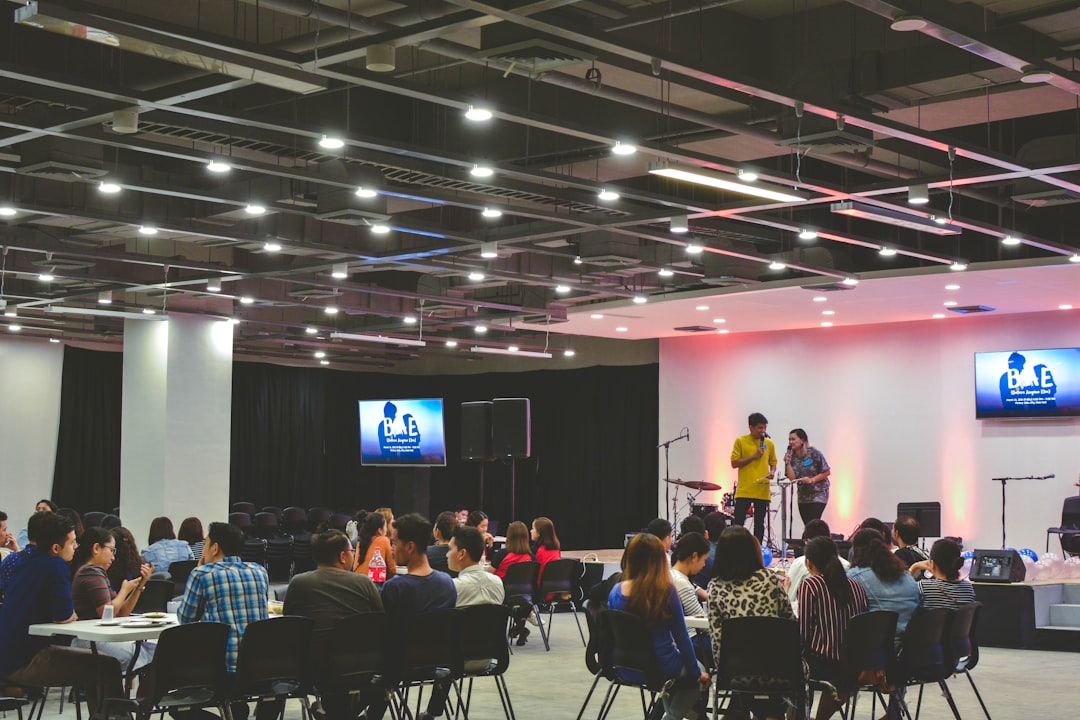
So, you’re thinking about diving into event management? Awesome! It can feel a bit daunting at first, like trying to juggle a dozen flaming torches, but it’s also incredibly rewarding. The short answer to “how to become an event manager for beginners in 2026?” is: start by understanding the fundamentals, get hands-on experience, and focus on building a solid network. It’s less about a magic formula and more about learning by doing and staying organized. This guide is packed with practical advice to get you started on the right foot.
Before you even think about booking a venue or sending out invitations, there are a few foundational concepts that will make your life so much easier. Think of these as your event management toolkit.
Understanding the Core Purpose of an Event
Every event, from a small brainstorming session to a massive music festival, has a reason for existing. What’s that reason?
Defining Objectives and Goals
This is where it all begins. What are you really trying to achieve with this event? Is it to generate leads, build brand awareness, celebrate a milestone, educate attendees, or foster community? Be specific. Instead of “increase brand awareness,” aim for “increase social media mentions by 20% during the event week.” Clear objectives guide every decision you make.
Identifying Your Target Audience
Who are you trying to reach? Understanding your audience is crucial for tailoring every aspect of the event, from the content and speakers to the marketing and catering. Are they tech-savvy professionals, creative artists, families, or potential investors? Their demographics, interests, and expectations will shape your entire strategy.
The Event Management Lifecycle: From Idea to Aftermath
Events don’t just magically happen. They follow a predictable, albeit sometimes chaotic, lifecycle. Knowing this flow helps you stay ahead of the curve.
Planning and Concept Development
This is the “dreaming and scheming” phase. You’re brainstorming ideas, defining the event’s theme, and outlining its overall structure. What’s the vibe? What are the key activities? What’s the unique selling proposition?
Pre-Event Logistics and Execution
Once the plan is solid, the real work begins. This involves everything from securing vendors and managing budgets to marketing and registration. It’s the nitty-gritty operational stuff that makes the event a reality.
On-site Management
This is showtime! It’s about ensuring everything runs smoothly on the day of the event, handling any unexpected issues, and making sure attendees have a fantastic experience. Think of yourself as the conductor of a symphony, keeping all the different instruments in harmony.
Post-Event Evaluation and Follow-up
The event isn’t truly over when the last guest leaves. This phase is critical for understanding what worked, what didn’t, and how you can improve for next time. This involves gathering feedback, analyzing data, and thanking everyone involved.
Building Your Foundation: Skills and Knowledge Base
You don’t need a fancy degree to be a great event manager, but a certain skillset is definitely a must. Luckily, many of these can be learned and honed over time.
Essential Soft Skills for Event Pros
These are the people-oriented skills that make you a great collaborator and problem-solver.
Communication is Key
This sounds obvious, but it’s worth repeating. You need to be able to communicate clearly and concisely with clients, vendors, staff, attendees, and stakeholders. This means active listening, writing effective emails, and delivering clear instructions.
Negotiation and Persuasion
You’ll be dealing with budgets, contracts, and sometimes challenging personalities. Being able to negotiate effectively and persuade others to see your point of view is a superpower.
Problem-Solving and Adaptability
Things will go wrong. A speaker might cancel, the weather might turn sour, or a crucial piece of equipment might fail. Your ability to think on your feet and find creative solutions is paramount.
Time Management and Organization
This is the backbone of event management. You’ll be juggling multiple tasks, deadlines, and priorities. A good calendar, to-do list, and ability to stay organized are non-negotiable.
Developing a Practical Skillset
Beyond the “soft” stuff, there are tangible skills that will make you an invaluable asset.
Budgeting and Financial Management
Understanding how to create, track, and manage a budget is absolutely critical. This isn’t just about spending money; it’s about making smart financial decisions to maximize value and meet objectives.
Vendor Management and Negotiation
You’ll be working with a wide range of suppliers: caterers, AV companies, decorators, security, etc. Knowing how to find reliable vendors, negotiate contracts, and build strong relationships is essential.
Risk Management and Contingency Planning
What could possibly go wrong? Think through potential issues, develop backup plans, and ensure you have appropriate insurance. Safety and security are always top priorities.
Project Management Fundamentals
Event management is essentially project management on a grand scale. Familiarize yourself with basic project management methodologies – even if it’s just creating a detailed timeline and assigning responsibilities.
Gearing Up: Practical Steps to Get Started in 2026
So, you’ve got the foundational knowledge. Now, how do you actually do it?
Gaining Hands-On Experience: Your Best Teacher
Theory is one thing, but practical experience is where you truly learn.
Volunteer for Events
This is perhaps the easiest and most effective way to get your foot in the door. Offer your services to local non-profits, community groups, student organizations, or even friends planning parties. You’ll learn about event setup, guest management, and troubleshooting in a low-pressure environment.
Internships and Entry-Level Positions
Look for internships with event planning companies, venue management teams, or corporate event departments. Even an administrative role can give you valuable exposure to the industry and a chance to network. Don’t be afraid to start at the bottom; every experience is a learning opportunity.
Plan Your Own Events (Even Small Ones!)
Host a themed dinner party, organize a charity bake sale, or plan a small workshop for your friends. Treat these like real events: set a budget, create an invitation list, and manage the details. This is your personal sandbox to experiment and make mistakes without high stakes.
Building Your Network: Who You Know Matters
The event industry thrives on connections.
Attend Industry Events and Workshops
Seek out local and online events related to event management, hospitality, marketing, and public relations. These are great places to meet people, hear about trends, and learn from experienced professionals.
Join Professional Organizations
Organizations like MPI (Meeting Professionals International), PCMA (Professional Convention Management Association), or local event professional groups offer networking opportunities, educational resources, and potential mentorship.
Leverage LinkedIn and Social Media
Connect with event professionals on LinkedIn. Engage in relevant groups, share insights, and follow companies and individuals in the industry. Social media can be a powerful tool for networking and staying updated.
Mastering the Tools: Software and Technology in Event Management
Technology isn’t just a buzzword; it’s a functional necessity in modern event management.
Essential Event Management Software Categories
There’s a tool for almost every aspect of event planning.
Registration and Ticketing Platforms
Tools like Eventbrite, Ticketleap, or Cvent streamline the process of selling tickets, managing attendee information, and collecting payments. They can also offer basic event website capabilities.
CRM (Customer Relationship Management) Systems
While not strictly event-specific, CRMs are crucial for managing attendee data, sponsors, and past clients over the long term. Salesforce, HubSpot, or even simpler tools can be invaluable for building relationships.
Project Management Tools
For keeping track of tasks, deadlines, and team collaboration, tools like Asana, Trello, Monday.com, or ClickUp are game-changers. They help visualize workflows and ensure nothing falls through the cracks.
Communication and Collaboration Tools
Slack, Microsoft Teams, or Google Workspace facilitate seamless communication among your event team, especially if people are working remotely or across different time zones.
Leveraging Technology for a Smoother Event
Think beyond just the basics.
Virtual and Hybrid Event Platforms
In 2026, understanding and utilizing platforms like Zoom Events, Hopin, or Bizzabo for virtual and hybrid components is still essential. These platforms manage online registration, networking, and content delivery.
Data Analytics and Reporting Tools
Understanding your event’s performance is vital. Tools that can analyze registration data, engagement metrics, and post-event surveys will help you demonstrate ROI and inform future planning.
Event App Development
For larger events, a dedicated event app can enhance attendee experience by providing schedules, maps, speaker bios, networking features, and real-time updates.
The event industry is always evolving. Staying ahead of the curve will give you a competitive edge.
The Rise of Experiential Marketing
Events are no longer just about information transfer; they’re about creating memorable experiences.
Creating Immersive and Interactive Environments
Think beyond just a stage and chairs. Consider how you can engage attendees with sensory experiences, interactive installations, and opportunities for participation.
Personalization and Customization
As technology advances, attendees expect more personalized experiences. This could mean tailored content recommendations, customized event paths, or unique networking opportunities based on their interests.
Sustainability and Social Responsibility
This isn’t a niche trend anymore; it’s a fundamental expectation.
Eco-Friendly Practices
From sourcing local and sustainable catering to minimizing waste and opting for digital materials, being environmentally conscious is key. This includes transportation considerations and energy efficiency.
Inclusivity and Accessibility
Events should be welcoming and accessible to all. This means considering physical accessibility, dietary needs, language barriers, and ensuring diverse representation in speakers and content. Think about neurodiversity and how to make everyone feel comfortable.
The Blurring Lines of Physical and Digital
The hybrid model is here to stay, and understanding its nuances is crucial.
Seamless Integration of Online and Offline Components
For hybrid events, the challenge is to create a cohesive experience, not two separate events. This means ensuring that remote attendees feel as engaged and valued as those present in person.
Data-Driven Decision Making for Hybrid Events
Analyzing engagement data from both virtual and physical attendees will provide a holistic view of event success and highlight areas for improvement in managing future hybrid gatherings.
Your Action Plan: Taking the First Steps
Feeling ready to jump in? Here’s a breakdown of how to start, right now.
Start Small, Dream Big
Don’t feel pressured to plan a massive conference on day one. Begin with smaller, manageable projects. The skills you develop on these will build confidence and credibility for larger endeavors.
Never Stop Learning
The event industry is dynamic. Read industry publications, attend webinars, and follow thought leaders online. The more you learn, the better equipped you’ll be to handle any challenge.
Embrace Feedback, Both Positive and Constructive
Every event, successful or not, is an opportunity to learn. Actively solicit feedback from attendees, clients, and your team. Use this information to refine your processes and improve future events.
Celebrate Your Wins
Event management can be stressful, so it’s important to acknowledge your accomplishments. Whether it’s a smoothly run reception or a well-received product launch, take a moment to appreciate what you’ve achieved.
Getting into event management in 2026 is an exciting prospect. By focusing on fundamental skills, actively seeking experience, and staying adaptable to new trends, you’ll be well on your way to a successful career. It’s a journey, and every step you take, no matter how small, is progress. Good luck!