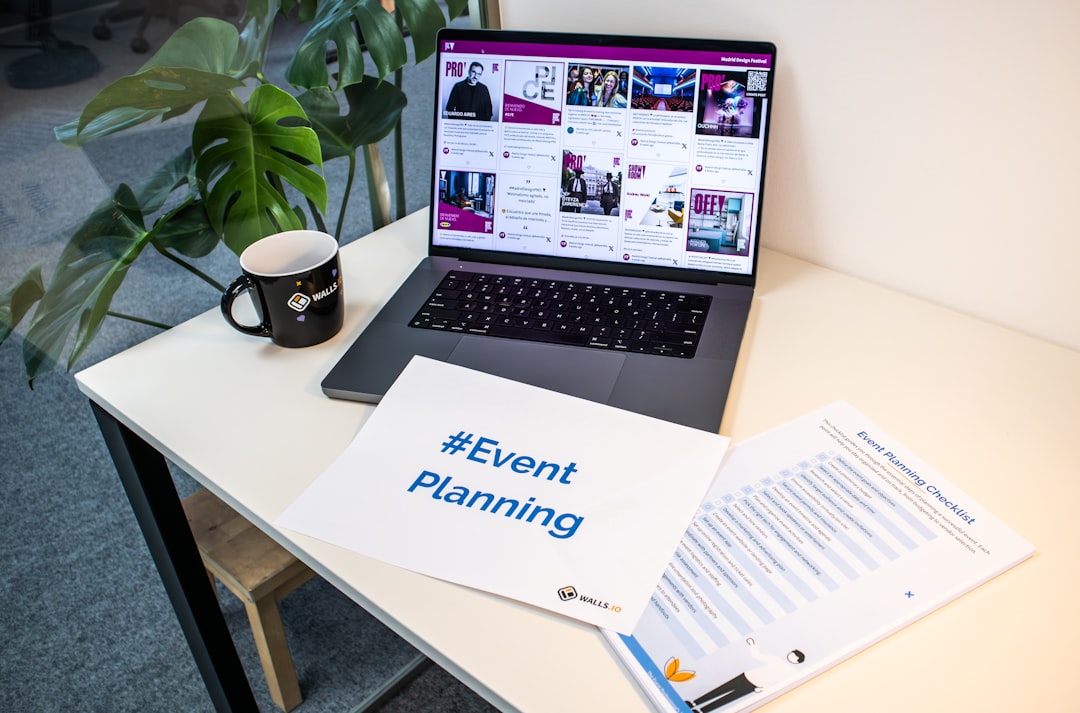
Organizing any event, from a small birthday party to a large corporate conference, can feel like navigating a complex maze. A structured approach, akin to assembling a precise machine, is crucial for success. This article outlines an essential to-do list for event planners, breaking down the process into manageable phases. The timeline and specifics will vary based on the event’s scale and nature, but the foundational steps remain consistent. Think of this list not as a rigid decree, but as a series of anchor points to steer your event ship through the planning waters.
Phase 1: Conceptualization and Foundation
This initial phase is where the blueprint of your event is drawn. Skipping or rushing these foundational steps is like building a house on sand; it can lead to structural weaknesses down the line. Here, you establish the core identity and purpose of the event.
Defining the Event’s Purpose and Objectives
Every successful event serves a reason. Is it to celebrate, educate, network, or fundraise? Clearly articulating the primary purpose is the bedrock upon which all other decisions are built. Without a clear purpose, your event lacks direction, like a compass without a magnetic north.
Identifying SMART Goals
To quantify success, your objectives should be SMART: Specific, Measurable, Achievable, Relevant, and Time-bound. Instead of “improve brand awareness,” an objective might be “increase social media engagement by 15% during the event week.” This provides a tangible target to aim for.
Understanding the Target Audience
Who are you trying to reach? Understanding your audience’s demographics, interests, and expectations is paramount. This influences everything from the venue choice and speaker selection to the marketing materials and overall tone of the event. Imagine a concert promoter booking a death metal band at a kindergarten graduation – a fundamental miscalculation of audience.
Establishing the Budget
The budget acts as the financial scaffolding for your entire event. It dictates the scope of possibilities and necessitates careful resource allocation. Underestimating costs or overestimating revenue can quickly turn a well-intentioned plan into a financial quagmire.
Estimating Key Expense Categories
Break down potential costs into major categories: venue rental, catering, A/V equipment, marketing, staffing, entertainment, and contingency. Each category requires detailed research and realistic estimates.
Identifying Potential Revenue Streams
For ticketed events, sponsorships, or sales, clearly define how income will be generated. This informs your pricing strategy and marketing efforts.
Allocating Funds and Creating a Detailed Spreadsheet
A detailed spreadsheet is your financial control panel. Allocate specific amounts to each category and track spending diligently. This spreadsheet should be a living document, updated as costs are incurred and adjusted as needed.
Setting the Date and Time
The chosen date and time can significantly impact attendance and availability. Consider other major events, holidays, and the preferred schedules of your target audience.
Researching Competing Events
Avoid holding your event when a similar or larger event is happening in your area, especially if it targets the same audience. This competition can dilute attendance and impact your ability to secure resources.
Considering Day of the Week and Time of Day
A business conference might thrive on weekdays during business hours, while a social gathering might be better suited for evenings or weekends.
Booking Keynote Speakers or Performers Early
If your event relies on specific talent, their availability will dictate your date. Secure these commitments as early as possible, as popular figures book up quickly.
Phase 2: Planning and Logistics
With the foundation laid, this phase focuses on the operational mechanics of the event. This is where the detailed architectural drawings are created and the construction plan is finalized.
Venue Selection and Booking
The venue is more than just a space; it’s an integral part of the event’s atmosphere and functionality. The right venue can enhance the attendee experience, while the wrong one can create significant obstacles.
Assessing Capacity Requirements
Ensure the venue can comfortably accommodate your expected number of attendees, with adequate space for seating, stages, breakout rooms, and traffic flow. An overcrowded venue can be uncomfortable and even unsafe.
Evaluating Location and Accessibility
Consider ease of access for attendees, including proximity to transportation, parking availability, and any accessibility needs for individuals with disabilities.
Reviewing On-site Amenities and Services
Check for essential services like Wi-Fi, catering facilities, restroom capacity, and A/V capabilities. Do they meet your event’s technological and logistical needs?
Negotiating Contracts and Deposits
Thoroughly review venue contracts, paying close attention to cancellation policies, included services, and any hidden fees. Secure your booking with the required deposit.
Vendor Management
Successful events rely on a network of reliable vendors. This involves finding, vetting, and managing relationships to ensure seamless execution. Think of them as the specialized tradespeople who bring your architectural plans to life.
Identifying Necessary Vendor Categories
This can include caterers, decorators, A/V technicians, printers, photographers, security, and transportation services, depending on the event’s needs.
Requesting Proposals and Obtaining Quotes
Gather detailed proposals from multiple vendors in each category to compare services, pricing, and availability.
Checking References and Reviews
Don’t underestimate the power of past performance. Speak to previous clients or read online reviews to gauge a vendor’s reliability and quality of work.
Negotiating Agreements and Contracts
Clearly define the scope of work, timelines, payment terms, and cancellation clauses in written contracts with all vendors.
Program and Content Development
This is the heart of your event – what attendees will experience and take away. It requires careful curation to ensure engagement and fulfillment of objectives.
Structuring the Event Schedule
Create a detailed timeline for the event, including session timings, breaks, meals, and any entertainment or networking opportunities.
Securing Speakers, Presenters, and Entertainers
Book individuals who align with your event’s theme and objectives, and who can captivate your audience.
Planning Interactive Elements and Activities
Incorporate Q&A sessions, workshops, icebreakers, or gamification to foster engagement and keep attendees involved.
Developing Supporting Materials
This can include presentations, handouts, signage, and any other materials needed to support the program.
Marketing and Promotion
Even the best-planned event will fall short if no one knows about it. Effective marketing is the megaphone that calls attendees to your event.
Developing a Marketing Strategy
Define your target audience and the channels through which you will reach them. This could include social media, email marketing, paid advertising, or public relations.
Creating Event Branding and Messaging
Develop a consistent visual identity and clear messaging that communicates the value proposition of your event.
Designing Promotional Materials
This includes brochures, flyers, website landing pages, and social media graphics that capture attention and convey key information.
Implementing a Ticketing and Registration System
Choose a user-friendly platform for attendees to register and purchase tickets, if applicable.
Phase 3: Execution and On-Site Management
This phase is the culmination of all your planning. It’s the live performance, where the meticulous preparation meets the unpredictable reality of the moment.
Pre-Event Setup and Logistics
Weeks, days, and hours leading up to the event are critical for ensuring everything is in place. This is the final check before the curtain rises.
Finalizing Vendor Coordination
Confirm arrival times, setup requirements, and any last-minute details with all vendors.
Site Walkthrough and Layout Confirmation
Conduct a final walkthrough of the venue to ensure the layout, seating arrangements, and signage are as planned.
Equipment Testing
Test all A/V equipment, lighting, and any other technical resources to prevent on-site failures.
Staff and Volunteer Briefing
Ensure all event staff and volunteers are fully briefed on their roles, responsibilities, and the event schedule.
On-Site Management
This is the period where you are the conductor of an orchestra, ensuring every section plays its part harmoniously.
Registration and Welcome Processes
Ensure a smooth and efficient check-in process for attendees, providing a positive first impression.
Managing the Event Schedule in Real-Time
Stay vigilant in adhering to the schedule, making adjustments as needed due to unforeseen circumstances.
Troubleshooting and Problem-Solving
Be prepared to address any issues that arise, from technical glitches to attendee inquiries, with a calm and efficient approach.
Communication and Coordination
Maintain clear and constant communication with your event team, vendors, and, when necessary, with attendees.
Attendee Experience Management
Focus on creating a positive and memorable experience for every participant.
Ensuring Comfort and Convenience
Monitor temperature, seating, and accessibility throughout the event to ensure attendee comfort.
Facilitating Networking and Engagement
Create opportunities for attendees to connect with each other and with speakers or presenters.
Handling Inquiries and Feedback
Be accessible to address attendee questions and be receptive to constructive feedback.
Phase 4: Post-Event Follow-Up
The event doesn’t truly end when the last attendee leaves. The post-event phase is crucial for evaluation, relationship building, and future improvement. This is where you analyze the data and gather lessons learned.
Debrief and Evaluation
Analyze the event’s performance against its initial objectives.
Gathering Feedback from Attendees
Send out post-event surveys to gauge satisfaction and identify areas for improvement.
Conducting a Team Debrief
Meet with your event team to discuss what worked well, what could have been better, and any lessons learned.
Analyzing Financial Performance
Compare actual expenses and revenue against the budget to assess profitability and identify cost-saving opportunities.
Post-Event Communications
Maintain engagement with attendees and stakeholders.
Sending Thank You Notes
Express gratitude to attendees, speakers, sponsors, vendors, and volunteers.
Sharing Event Highlights or Recaps
Post photos, videos, or summaries of the event on your website or social media to maintain engagement and provide lasting value.
Distributing Follow-Up Materials
Share presentations, resources, or other relevant information with attendees.
Vendor and Sponsor Follow-Up
Nurture these relationships for future collaborations.
Settling Final Payments
Ensure all outstanding invoices are paid promptly.
Providing Performance Reports
Share information on event success metrics that align with sponsor objectives.
Soliciting Feedback for Future Collaboration
Ask vendors and sponsors for their input on the event and their potential interest in future partnerships.
Phase 5: Documentation and Future Planning
This enduring phase solidifies the knowledge gained from each event, acting as a builder’s manual for future endeavors.
Archiving Event Data and Documentation
Create a comprehensive archive of all event-related materials for easy reference.
Storing Contracts and Invoices
Keep all financial records and vendor agreements for historical and auditing purposes.
Maintaining Attendee Lists and Engagement Data
Retain information on attendees for future marketing and relationship management.
Documenting Event Plans and Schedules
Save all program outlines, timelines, and logistical plans for future reference and adaptation.
Creating a Post-Event Report
Summarize the event’s success and key learnings.
Detailing Objectives and Outcomes
Clearly articulate whether the SMART goals set in the conceptualization phase were met.
Highlighting Successes and Challenges
Identify what went exceptionally well and what proved to be problematic, with proposed solutions.
Providing Recommendations for Future Events
Offer actionable suggestions based on the evaluation results to improve future event planning.
Updating Templates and Processes
Refine your organizational tools based on the latest experience.
Revising To-Do Lists and Checklists
Incorporate new steps or remove redundant items based on learnings.
Updating Budget Templates
Refine cost estimations and revenue projections based on real-world data.
Streamlining Communication Protocols
Improve methods of interaction with teams, vendors, and attendees.
By systematically working through this essential to-do list, event planners can transform the potential chaos of event organization into a well-executed and successful experience. The process is iterative, and each event provides valuable insights that refine the planner’s craft, making the next undertaking even smoother.
FAQs
What is an event planner to do list?
An event planner to do list is a detailed checklist that outlines all the tasks and activities required to successfully organize and execute an event. It helps event planners stay organized, manage time efficiently, and ensure no important steps are overlooked.
Why is a to do list important for event planning?
A to do list is important because it provides a clear roadmap of what needs to be done, helps prioritize tasks, tracks progress, and reduces the risk of forgetting critical details. It also improves communication among team members and ensures deadlines are met.
What are common tasks included in an event planner to do list?
Common tasks include defining the event objectives, setting a budget, selecting a venue, booking vendors (catering, entertainment, etc.), creating a timeline, sending invitations, arranging transportation, and coordinating on-site logistics.
How far in advance should an event planner start their to do list?
The to do list should ideally be started as soon as the event is conceptualized. For large events, planning and the to do list may begin several months in advance, while smaller events might require a few weeks of preparation.
Can an event planner to do list be customized?
Yes, an event planner to do list should be customized based on the type, size, and complexity of the event. It can be adjusted to include specific tasks relevant to the event’s unique requirements and goals.