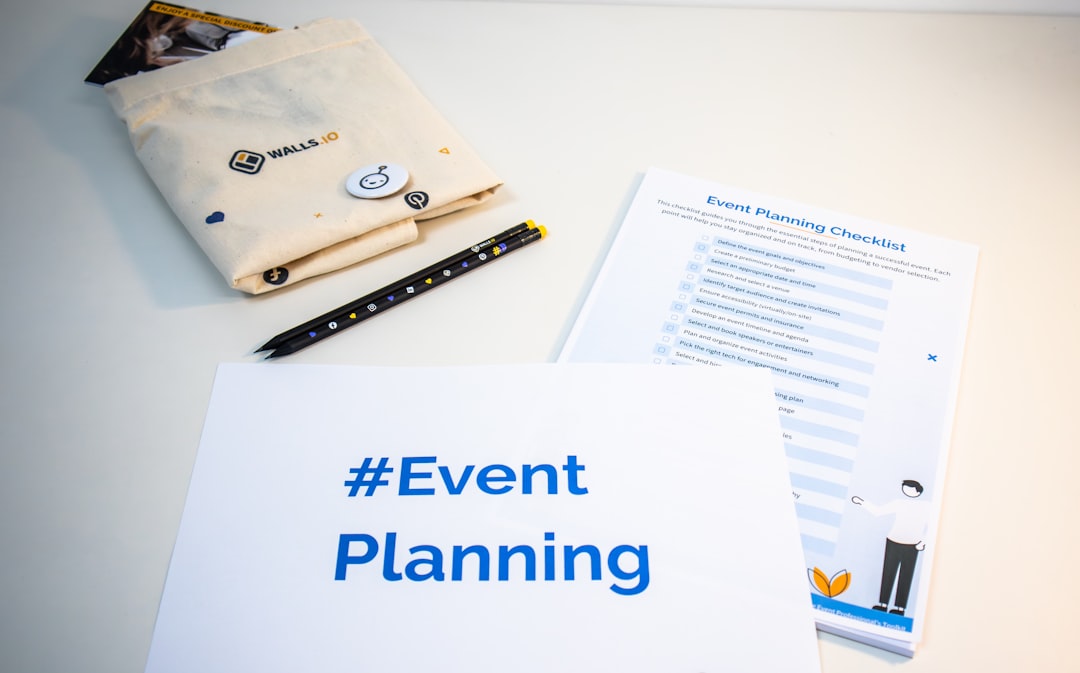
Planning an event, no matter the size, can feel like wrangling a herd of cats. Even seasoned professionals rely on a solid roadmap to avoid missed details and last-minute panics. This guide lays out a comprehensive checklist, the same kind many industry experts use, to keep you on track from initial concept to post-event wrap-up. Think of it less as a rigid rulebook and more as a detailed compass, ensuring you hit all the critical points.
Before you even think about invitations or catering, you need to establish the core elements of your event. Skipping these initial steps often leads to costly rework and unnecessary stress down the line.
Define Your Event’s Purpose and Objectives
Why are you holding this event? What do you hope to achieve? Is it to launch a new product, celebrate a milestone, educate an audience, or simply foster networking? Clearly articulating your purpose will guide every subsequent decision. Without a clear purpose, your event risks lacking direction and impact.
Understand Your Target Audience
Who are you trying to reach? What are their demographics, interests, and preferences? Knowing your audience dictates the event’s format, content, and even the overall tone. An event for tech entrepreneurs will look very different from one for retirees.
Establish Your Budget and Funding Sources
This is perhaps the most critical step. A realistic budget sets boundaries and helps you prioritize. Break down potential expenses into categories like venue, catering, AV, marketing, and staff. Identify how you’ll fund it – ticket sales, sponsorships, internal company funds, or a combination. Always factor in a contingency fund (10-15%) for unexpected costs.
Form Your Event Planning Team
Even for smaller events, a dedicated team (or at least designated roles) is crucial. Assign responsibilities early on to avoid duplication or oversight. This could involve roles for logistics, marketing, sponsorship, and volunteer management.
Choose Your Date and Time
Consider your audience’s availability, potential conflicts with other major events, and even time of year. A summer outdoor event in Arizona might not be ideal, for instance. Be flexible if possible, but once a date is set, it becomes a fixed point.
The Logistics: Making it Happen
With the conceptual framework in place, it’s time to dive into the nitty-gritty of bringing your event to life. These are the practical elements that attendees will directly experience.
Venue Selection and Booking
The venue sets the atmosphere. Consider capacity, location (accessibility, parking), available amenities (AV, internet), and cost. Visit potential venues, ask detailed questions about their inclusions and restrictions, and thoroughly review contracts before signing.
Vendor Sourcing and Management
This includes everything from catering and audiovisual (AV) companies to florists and photographers. Get multiple quotes, check references, and ensure all vendors understand your vision and expectations. Clear communication and contracts are essential.
Catering Decisions
Beyond just food, consider dietary restrictions, presentation, and service style (buffet, plated, stations). Factor in beverage service and potential licensing requirements.
Audiovisual Requirements
Don’t underestimate the importance of good sound and visuals. Consider microphones, projectors, screens, lighting, and any specific technical needs for presenters or entertainment. Test everything beforehand.
Photography/Videography
Decide if you need professional capture of your event. If so, establish clear deliverables and shot lists with your chosen provider.
Program and Content Development
What will actually happen at your event? Roughly outline the schedule, speakers, entertainment, and activities. Ensure there’s a logical flow and that the content aligns with your event’s purpose.
Speaker/Presenter Management
Identify and invite speakers well in advance. Provide clear guidelines, deadlines for materials, and offer support with presentations. Confirm their travel and accommodation as needed.
Entertainment/Activities
If applicable, book entertainment (music, performers, interactive experiences) that appeals to your audience and fits your event’s theme.
Registration and Ticketing
How will people sign up or purchase tickets? Choose a platform (online, on-site) that is user-friendly and can handle your expected volume. Clearly communicate pricing, refund policies, and any early bird incentives.
Data Collection
Consider what information you need to gather during registration (e.g., dietary restrictions, company, job title) to personalize the experience or for post-event analysis.
The Hype: Getting the Word Out
Even the best-planned event won’t succeed if no one knows about it. Effective marketing is about reaching your target audience where they are and compelling them to attend.
Develop a Marketing and Communication Plan
This isn’t just about sending a few emails. Plan your communication cadence, channels (social media, email, press releases), and key messages. Segment your audience if necessary for targeted outreach.
Create Promotional Materials
This includes event branding, logos, graphics, website content, email templates, and social media assets. Ensure consistency across all platforms.
Event Website/Landing Page
A dedicated online presence is crucial for providing information, handling registrations, and generating excitement. Keep it clean, informative, and easy to navigate.
Social Media Strategy
Identify relevant platforms and plan a content calendar. Engage with your audience, run contests, and use relevant hashtags.
Email Marketing Campaign
Segment your email list and send targeted communications, including save-the-date, invitation, reminder, and post-event follow-up emails.
Media Outreach (If Applicable)
If your event has news value, consider issuing press releases and inviting journalists or influencers. Prepare a media kit with key information.
The Execution: Event Day Essentials
The big day arrives! This phase is all about flawless execution and quick problem-solving. A well-briefed team and detailed plan are your best assets.
Finalizing Logistics and Set-up
Confirm all vendor arrivals and deliverables. Conduct a final walk-through of the venue to ensure everything is in place – signage, seating, AV, registration area.
Staff and Volunteer Briefing
Provide clear instructions, schedules, and emergency protocols to all staff and volunteers. Ensure everyone knows their role and who to contact for issues.
Registration and Check-in Process
Set up a clear and efficient registration desk. Have name badges, attendee lists, and a system for on-site registrations or troubleshooting.
Technical Rehearsals
For any presentations or performances, conduct thorough technical rehearsals with speakers and performers to iron out any glitches.
On-Site Management
Designate a central point of contact for all questions and issues. Be prepared to adapt to unexpected challenges with a calm and proactive approach.
Crisis Management Plan
No one expects things to go wrong, but a plan for emergencies (medical, power outage, severe weather) is non-negotiable. Know escape routes, first aid locations, and key contacts.
Speaker Support
Have a dedicated team member to assist speakers with their needs, timing, and any last-minute technical queries.
Attendee Experience
Continuously monitor attendee satisfaction. Is the temperature comfortable? Are lines moving efficiently? Is the content engaging?
The Follow-Up: After the Doors Close
The event isn’t truly over until the post-event actions are complete. This phase is crucial for gathering feedback, showing appreciation, and assessing your success.
Post-Event Communications
Thank attendees, sponsors, speakers, and volunteers. Share event highlights, photos, or video recaps.
Feedback Surveys
Send out surveys to gather valuable insights from attendees, speakers, and sponsors. What worked well? What could be improved? This data is gold for future events.
Financial Reconciliation
Pay all outstanding vendor invoices. Reconcile your budget against actual expenditures. This provides a clear financial picture of the event’s success.
Performance Analysis and Reporting
Armed with feedback and financial data, conduct a thorough debrief with your team. Did you meet your objectives? What were the key successes and challenges? Document lessons learned for future events.
Key Metrics Review
Look at attendance numbers, engagement levels, social media reach, and any other relevant KPIs. Compare them against your initial goals.
Archiving Event Materials
Keep a well-organized archive of all event-related documents – contracts, marketing materials, presentations, photos, and reports. This creates a valuable resource for future planning and institutional knowledge.
By systematically working through this checklist, you’ll significantly increase your chances of pulling off a successful and impactful event. It’s about breaking down a complex undertaking into manageable steps, ensuring that no critical detail slips through the cracks. Good planning doesn’t eliminate challenges, but it equips you to handle them effectively.
FAQs
What is event planning?
Event planning is the process of coordinating all the necessary details and logistics for an event, such as conferences, weddings, parties, or corporate gatherings. This includes everything from selecting a venue and managing vendors to creating a timeline and overseeing the event on the day of.
Why is event planning important?
Event planning is important because it ensures that all aspects of an event are carefully organized and executed, leading to a successful and memorable experience for attendees. It also helps to manage costs, minimize risks, and achieve the desired objectives for the event.
What is included in an event planning checklist?
An event planning checklist typically includes tasks related to venue selection, budgeting, vendor management, marketing and promotion, guest list management, logistics, and day-of coordination. It serves as a comprehensive guide to ensure that all necessary details are considered and addressed.
How can industry experts benefit from using a complete event planning checklist?
Industry experts can benefit from using a complete event planning checklist by ensuring that they do not overlook any important details or tasks. It helps them stay organized, manage their time effectively, and deliver successful events that meet or exceed client expectations.
What are some common challenges in event planning?
Common challenges in event planning include budget constraints, finding the right venue, managing multiple vendors, coordinating with various stakeholders, and handling unexpected issues on the day of the event. Effective planning and a comprehensive checklist can help mitigate these challenges.