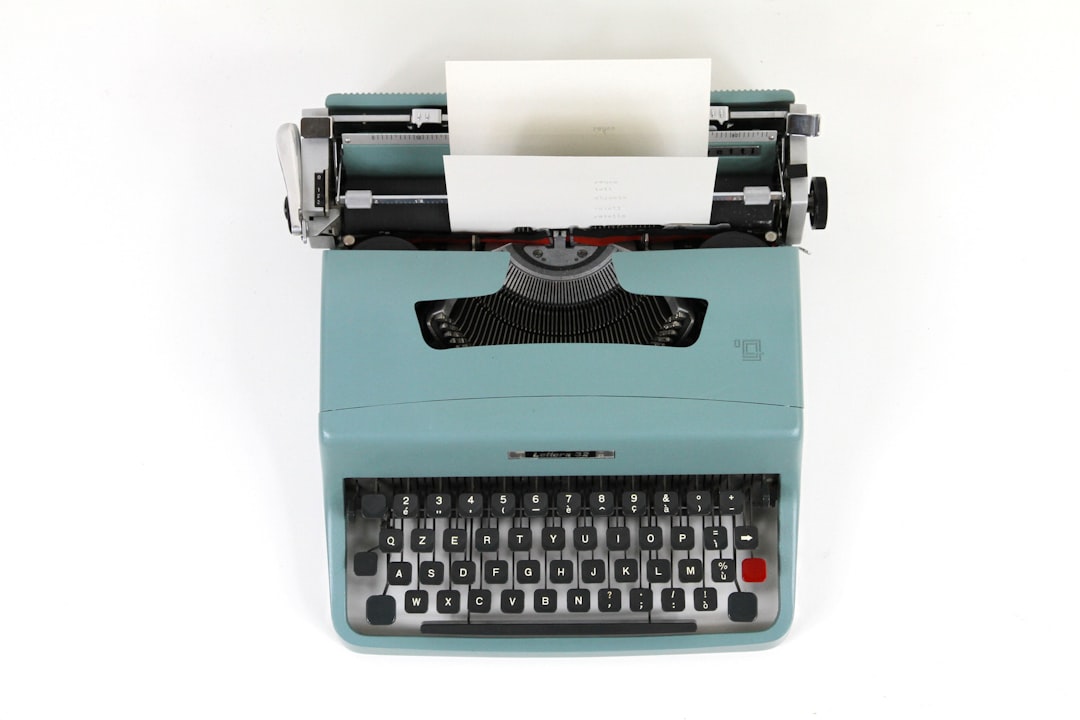
Want to get better at copywriting? For beginners, the core of it is learning to write clearly, persuasively, and with your audience in mind. It’s not just about fancy words; it’s about communicating effectively to get a desired response from your reader. Let’s delve into some practical tips to help you get started.
Before you write a single word, you need to know who you’re talking to. This sounds obvious, but it’s often overlooked.
Who Are You Talking To?
Think about their demographics: age, gender, location, income. But more importantly, think about their psychographics:
- Pains and Problems: What keeps them up at night? What are their biggest frustrations related to your product or service?
- Wants and Desires: What are their aspirations? What do they hope to achieve? How can your offering help them get there?
- Values and Beliefs: What matters to them? Do they value convenience, quality, sustainability, affordability?
- Why They Buy: What motivates their purchasing decisions? Is it an emotional need, a practical solution, or something else?
Creating an Audience Persona
It helps to create a “persona” – a semi-fictional representation of your ideal customer. Give them a name, a job, hobbies, and even some quotes. When you write, imagine you’re talking directly to this person. This makes your writing more personal and relatable.
Where Do They “Hang Out”?
Consider where your audience spends their time online and offline. This informs not only your content but also where you distribute it. If they’re on Instagram, your copy will be different than if they’re reading a professional white paper.
Crafting Compelling Headlines and Openings
The headline is your first, and often only, chance to grab attention. If it doesn’t hook them, they won’t read further.
The Power of a Strong Headline
Your headline needs to be clear, concise, and communicate a benefit or pique curiosity. Think of it as a promise.
- Benefit-driven: Clearly state what the reader will gain. (e.g., “Lose 10 Pounds in 30 Days Without Dieting”)
- Curiosity-driven: Make them want to know more. (e.g., “The Secret Nobody Tells You About [Topic]”)
- Problem-solution: Address a pain point and hint at a solution. (e.g., “Tired of Blank Pages? Our Guide Unlocks Your Writing Flow”)
- Direct: Straightforwardly state what the content is about. (e.g., “Copywriting Tips for Beginners”)
Writing Effective Lead Paragraphs
Once you have their attention with a headline, your opening paragraph needs to keep them engaged.
- Empathize with their pain: Show you understand their struggles. (e.g., “Struggling to get your message across? You’re not alone.”)
- State a compelling fact or statistic: Grab their attention with data. (e.g., “Did you know 8 out of 10 people won’t read past your headline?”)
- Ask a provocative question: Engage them immediately. (e.g., “What if you could turn casual readers into loyal customers?”)
- Tell a short, relevant story: Stories are memorable and create an emotional connection.
The goal is to get them to read the next sentence, and then the next, guiding them through your content.
Focusing on Benefits, Not Just Features
This is a fundamental shift in perspective for many beginners. Don’t just list what your product or service is; explain what it does for your customer.
Understanding the Difference
- Features: These are the facts, attributes, and characteristics of your product or service. (e.g., “Our camera has a 24-megapixel sensor.”)
- Benefits: These are the positive outcomes or advantages a customer gains from those features. They answer the question: “So what?” (e.g., “Our camera’s 24-megapixel sensor means you’ll capture incredibly detailed photos, even when you zoom in, preserving your memories with stunning clarity.”)
Translating Features into Benefits
For every feature, ask yourself: “What does this mean for my customer?” and “How does this make their life better, easier, or more enjoyable?”
- Feature: Fast shipping
- Benefit: Get your order in days, not weeks, so you can enjoy your purchase sooner.
- Feature: Responsive customer support
- Benefit: Get your questions answered quickly and efficiently, saving you time and frustration.
People buy solutions to their problems, not just products. They buy improved versions of themselves, convenience, peace of mind, or enjoyment. Your copy should reflect that.
Structuring for Readability and Impact
Even the best copy can be lost if it’s a wall of text. Clear structure is especially important for digital content, where attention spans are short.
Using Clear Headings and Subheadings
Break up your content into digestible chunks. Each heading should ideally summarize the content that follows. This allows readers to skim and find what’s most relevant to them.
- H2 Tags: For main sections (like the ones in this article).
- H3 Tags: For sub-sections within your main sections.
- H4 Tags: If you need even more granular detail.
This hierarchical structure not only improves readability but also helps with SEO (Search Engine Optimization) by giving search engines a clear understanding of your content’s organization.
Employing Short Paragraphs and Sentences
Long, dense paragraphs are intimidating. Break them down. Aim for paragraphs that are 2-4 sentences long. Shorter sentences are also easier to process.
- Keep it concise: Eliminate unnecessary words.
- One idea per paragraph: Helps maintain focus and flow.
- Vary sentence length: While short is generally good, a mix adds rhythm and prevents monotony.
Integrating Bullet Points and Numbered Lists
When you have a series of points, benefits, or steps, bullet points (for non-sequential items) and numbered lists (for sequential steps) are your best friends. They are easy to scan and absorb quickly.
- They break up text.
- They highlight important information.
- They improve retention.
Using White Space Effectively
Don’t be afraid of empty space on the page. It makes your content look less dense and more inviting. It gives the reader’s eyes a place to rest.
Developing a Clear Call to Action (CTA)
After you’ve informed and persuaded your reader, what do you want them to do next? This is where your Call to Action comes in. Don’t leave them guessing.
Making Your CTA Obvious
Your CTA should stand out. Use action-oriented language and consider how it’s visually presented (e.g., a button, bold text).
- Placement: Is it easy to find? At the end of a thought, section, or piece of content?
- Color/Design (for buttons): Does it grab attention?
- Language: Is it clear and concise?
Using Action-Oriented Language
Start your CTA with a strong verb. Tell them exactly what you want them to do.
- “Click Here” (a bit generic, but works)
- “Learn More”
- “Shop Now”
- “Download Your Free Guide”
- “Sign Up Today”
- “Get a Quote”
- “Contact Us”
Creating a Sense of Urgency or Exclusivity (Use Sparingly)
Sometimes, adding a subtle push can encourage action, but don’t overdo it or make false claims.
- Urgency: “Limited Time Offer,” “While Supplies Last,” “Ends Tomorrow”
- Exclusivity: “Members Only,” “Join Our Community,” “Be One of the First 100”
Remember, the goal of your CTA is to guide the user to the next logical step in their journey, whether it’s learning more, making a purchase, or signing up for a newsletter.
Practice and Refinement: The Ongoing Journey
Copywriting isn’t something you master overnight. It’s a skill that improves with consistent effort, feedback, and analytical thinking.
Read and Analyze Good Copy
Become a student of good writing. Pay attention to:
- Advertisements: Both online and offline.
- Email newsletters: Which ones do you open? Why?
- Landing pages: What makes you want to convert?
- Sales pages: What persuades you to buy?
- Blog posts: Which titles grab your attention?
Dissect what makes them effective. What techniques are they using? How do they structure their arguments?
Write Regularly
The more you write, the better you’ll get. Don’t wait for the perfect assignment.
- Daily exercises: Rewrite headlines, practice writing product descriptions for everyday items.
- Personal projects: Start a blog, write emails to imaginary customers.
- Volunteer: Offer to write copy for a small local business or a charity.
Treat every word you write as an opportunity to improve.
Seek Feedback and Be Open to Critiques
It’s hard to objectively evaluate your own writing. Get fresh eyes on your work.
- Trusted Peers: Anyone who can give you an honest opinion.
- Mentors: If you can find an experienced copywriter.
- Online Communities: Many groups exist for writers to share and critique work.
Don’t take feedback personally. It’s about making the copy better, not about your personal worth. Learn to identify patterns in the feedback – if multiple people point out the same issue, it’s something to address.
Test and Optimize
In the digital world, you have the advantage of testing.
- A/B Testing: Try different headlines, CTAs, or even different opening paragraphs to see which performs better (e.g., more clicks, higher conversion rates).
- Analytics: Pay attention to bounce rates, time on page, and conversion metrics to understand how your copy is performing.
This data-driven approach helps you move beyond educated guesses and truly understand what resonates with your audience. Copywriting is an iterative process; you write, you test, you learn, you refine.
Final Thoughts for Aspiring Copywriters
Remember, copywriting is about communication. It’s about connecting with people, understanding their needs, and offering a solution and a clear path forward. Stay curious, keep learning, and most importantly, keep writing. Your voice and your ability to persuade will grow with every word.