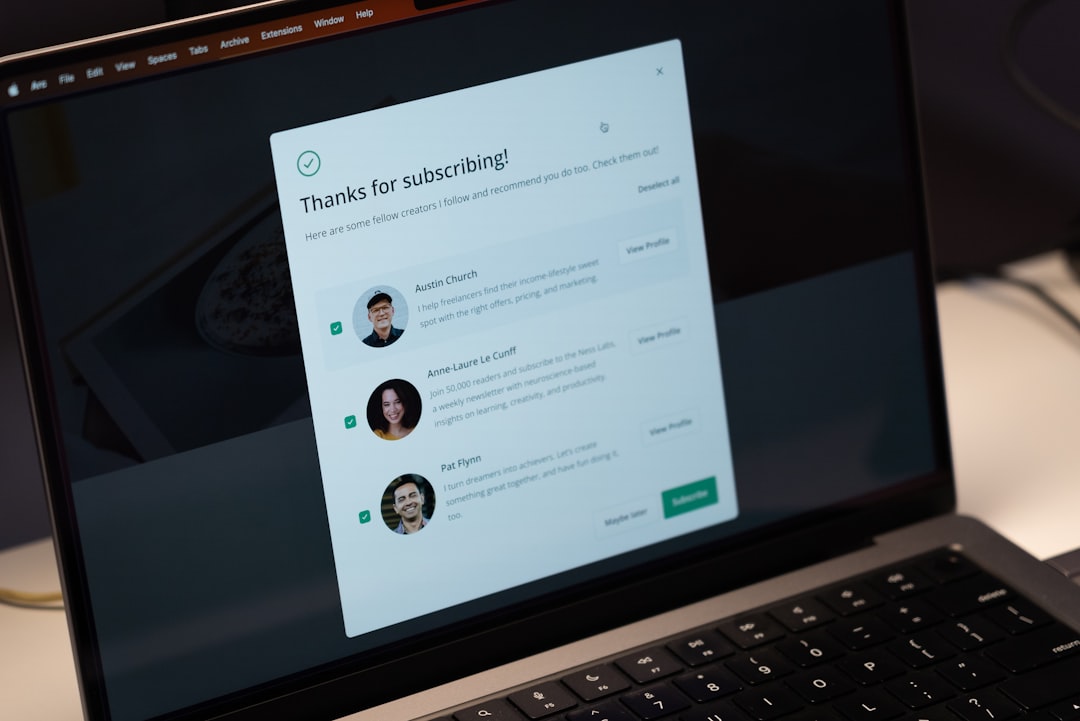
So, what exactly is the Creator Economy? In a nutshell, it’s a growing digital ecosystem where individuals can build businesses and earn a living by creating and sharing their own content online. Think of it as a modern twist on entrepreneurship, powered by platforms like YouTube, Instagram, TikTok, Substack, and even Twitch. Instead of relying on traditional jobs or established companies, creators leverage their skills, passions, and audiences to generate income.
The Core Idea: From Hobbyist to Entrepreneur
Remember when posting a photo online was just for friends and family? The Creator Economy has transformed that. It’s about turning your interests, expertise, or unique perspective into something people want to consume – and sometimes, pay for. This could be anything from sharing cooking tutorials and gaming streams to offering in-depth analyses, creative artwork, or even just well-crafted personal stories.
The fundamental shift is recognizing that individuals possess valuable intellectual property and the ability to directly connect with and influence an audience. They’re not just consumers; they’re producers, marketers, and business owners all rolled into one.
Who are these “Creators”?
When we talk about creators, we’re not just talking about the mega-famous YouTubers. The creator economy is incredibly diverse.
Diversifying the Creator Landscape
It encompasses a vast spectrum of individuals, each with their own niche and approach.
- Content Producers: This is the most obvious group – YouTubers making videos, podcasters sharing audio, TikTokers with short-form clips, and bloggers writing articles. They’re the bread and butter of the creator economy, generating awareness and engagement.
- Influencers: While often overlapping with content producers, influencers specifically leverage their established credibility and audience trust to promote products or services. Their recommendations carry weight with their followers.
- Educators and Experts: Think online course creators, coaches, consultants, and those who share specialized knowledge. They monetize their expertise by teaching others.
- Artists and Artisans: Musicians releasing their work, visual artists selling prints, writers publishing e-books, and crafters selling handmade goods online all fall under this umbrella.
- Community Builders: Individuals who cultivate engaged online communities, often around shared interests, and find ways to monetize that collective engagement. This can include Discord server owners, forum moderators, and exclusive membership group leaders.
- Gamers and Streamers: Live streamers on platforms like Twitch who entertain audiences with their gameplay, commentary, and interaction.
How Do Creators Actually Make Money?
This is where the “economy” part really kicks in. There’s no single way to earn a living as a creator; often, it’s a combination of different income streams.
Direct Monetization: Getting Paid for Your Work
This is when people directly pay you for your content or access to you.
- Advertising Revenue: Platforms like YouTube and Facebook share ad revenue with creators whose content receives a significant number of views. It’s a common starting point but can be inconsistent.
- Subscriptions and Memberships: Platforms like Patreon, Substack, and YouTube Memberships allow fans to pay a recurring fee for exclusive content, early access, or direct engagement with the creator. This builds a more predictable income.
- Direct Sales of Products: Creators can sell their own merchandise (t-shirts, mugs), digital products (e-books, courses, presets), or even physical goods if they are artisans.
- Tips and Donations: On platforms like Twitch, viewers can directly tip streamers. Other platforms also offer donation features.
- Paid Content/Courses: Creators can develop and sell in-depth courses or premium content directly to their audience, offering substantial value.
Indirect Monetization: Leveraging Your Influence
This is when your reach and reputation open doors to other forms of income.
- Brand Partnerships and Sponsorships: Companies pay creators to promote their products or services to their audience. This is a significant income stream for many larger creators. The key is authenticity – working with brands that genuinely align with their content and audience.
- Affiliate Marketing: Creators promote products from other businesses and earn a commission on any sales made through their unique referral link.
- Speaking Engagements and Events: As creators build a following and a reputation, they may be invited to speak at conferences, host workshops, or participate in live events.
- Licensing Content: Creators can license their photos, videos, or music to businesses or media outlets.
The Technology and Platforms Enabling the Creator Economy
The rise of the Creator Economy wouldn’t be possible without the sophisticated digital infrastructure that exists today.
The Backbone: Digital Platforms
These are the tools and marketplaces that empower creators.
- Content Hosting Platforms: YouTube, Vimeo, TikTok, Instagram, Facebook, Twitch – these are where creators publish and distribute their primary content. They provide the audience and the tools to engage.
- Monetization Tools: Patreon, Gumroad, Ko-fi, Substack, Buy Me a Coffee – these platforms offer ways for creators to receive direct support from their audience through subscriptions, one-time donations, or direct sales.
- E-commerce and Website Builders: Shopify, Etsy, Squarespace, WordPress – these allow creators to build their own online stores or personal websites to sell products and services independently.
- Communication and Community Tools: Discord, Slack, private Facebook groups – these are vital for building and nurturing an engaged community around a creator’s work.
- Analytics and Growth Tools: Platforms themselves offer analytics, but there are also third-party tools that help creators understand their audience, track their performance, and identify growth opportunities.
- Creator Management Platforms: As creators scale, they might use platforms that help with managing their finances, sponsorships, and overall business operations.
The “Why Now?” Factors: Driving Forces Behind the Growth
Several converging trends have fueled the explosive growth of the Creator Economy.
Shifts in Media Consumption and Trust
- Democratization of Content Creation: The barrier to entry for creating and distributing content has plummeted. Anyone with a smartphone and an internet connection can be a creator.
- Audience Fragmentation: People are no longer solely reliant on mass media. They seek out niche content and communities that cater to their specific interests, which creators excel at providing.
- Loss of Trust in Traditional Media and Institutions: Audiences often find more relatable and trustworthy voices in individual creators who share their authentic experiences and perspectives.
- The Rise of the “Gig Economy” Mindset: More people are looking for flexible work and entrepreneurial opportunities, and the Creator Economy offers a viable path.
- Technological Advancements: Improved internet speeds, user-friendly editing software, and the widespread adoption of smartphones have made content creation more accessible and professional-looking than ever before.
Challenges and Considerations for Aspiring Creators
While the allure of self-employment and creative freedom is strong, it’s not always smooth sailing.
- Inconsistency of Income: Especially in the early stages, income can be highly unpredictable. It takes time to build a stable revenue stream.
- Algorithm Dependence: Creators are often at the mercy of platform algorithms, which can change without notice and impact visibility and reach. This can be frustrating and require constant adaptation.
- Burnout and Mental Health: Juggling content creation, audience engagement, marketing, and business management can be demanding. Maintaining work-life balance and mental well-being is crucial.
- Competition and Saturation: As more people enter the creator space, standing out becomes more challenging. Finding a unique angle and building a distinct brand is essential.
- Platform Risk: Relying too heavily on a single platform can be risky. If a platform changes its policies, goes bankrupt, or a creator is de-platformed, their income can be severely impacted. Diversifying income streams and building an independent presence (like a website or email list) is a best practice.
- Building and Nurturing an Audience: Simply creating content isn’t enough. Creators need to actively engage with their audience, understand their needs, and build a loyal community.
- The Business Side: Creators are also running a business. This involves tasks like invoicing, financial management, legal considerations, and marketing, which can be time-consuming and require developing new skills.
The Future of the Creator Economy
The Creator Economy is still evolving, and its future looks dynamic and expansive. We’re likely to see:
- Increased Professionalization: More creators will treat their work as a serious business, investing in tools, education, and talent.
- New Monetization Models: Expect further innovation in how creators earn money, perhaps with more advanced forms of NFTs, decentralized platforms, or exclusive digital experiences.
- Greater Interoperability: Creators may have more tools to move their audience and content between different platforms, reducing platform dependence.
- The Rise of “Creator-First” Businesses: Companies will increasingly partner with and be built around creators, integrating their influence and communities into their own operations.
- Focus on Authenticity and Value: As the space matures, audiences will continue to gravitate towards creators who offer genuine value, build trust, and remain authentic to their voice.
In essence, the Creator Economy empowers individuals to take control of their careers, build communities, and monetize their passions in ways that were unimaginable just a generation ago. It’s a testament to the power of digital tools and the enduring human desire to connect, share, and create.