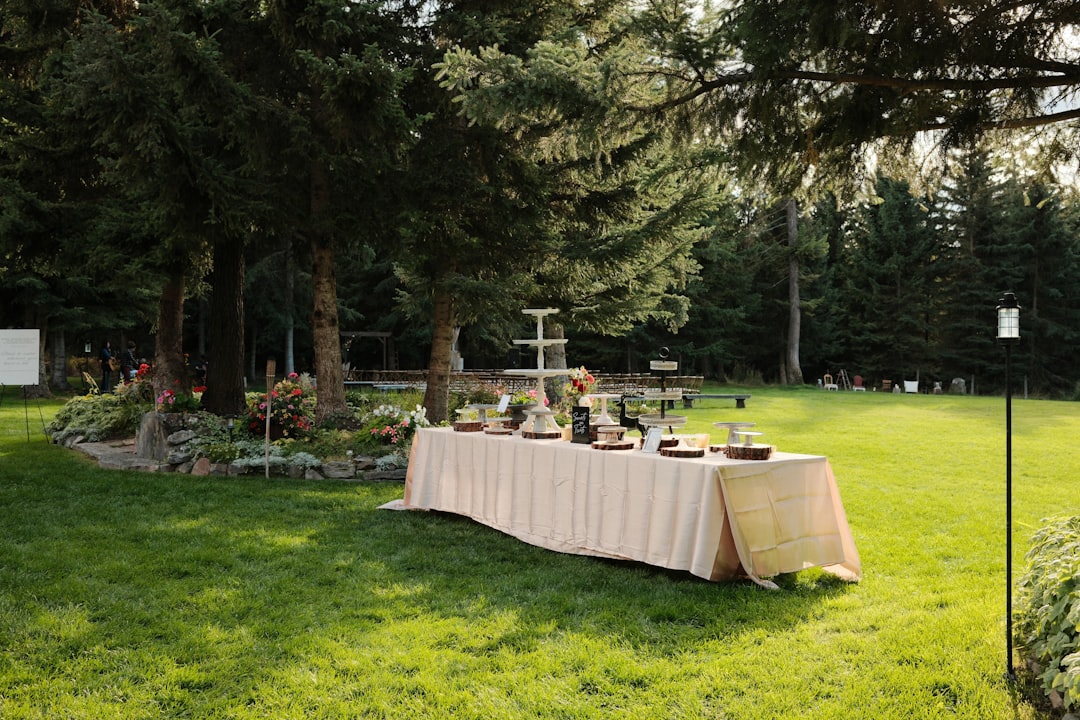
Planning a destination wedding is exciting, but when it comes to the food, you might be wondering, “How on earth do I manage catering when it’s far from home?” It’s a valid concern, and thankfully, it’s totally manageable with the right approach. The good news is you have several solid options, each with its own pros and cons, and a bit of savvy planning can ensure your guests enjoy delicious, memorable meals, no matter the location.
So, you’ve picked your dream spot for your wedding, be it a Tuscan villa or a beach in Mexico. Now comes the nitty-gritty of feeding everyone. The key is understanding the landscape of destination wedding catering and what works best for your specific situation. It’s not just about finding a caterer, but the right caterer for your chosen destination and your wedding vision.
The Caterer You Already Know (Maybe)
Sometimes, the most straightforward path is to leverage existing relationships or local expertise. This often involves exploring options that are already familiar with the destination or have established operations there.
Bringing in Your Home Team
In some cases, you might consider flying in your favorite caterer from your hometown. This is a big undertaking and comes with significant logistical hurdles and costs.
Pros of a Familiar Caterer
- Quality Control: You know their food, their service, and their reliability. There are no unknowns.
- Personal Connection: You have an established relationship, making communication potentially easier.
- Dietary Needs: If you or your guests have specific, complex dietary requirements, a caterer you trust implicitly might be the safest bet.
Cons of a Familiar Caterer
- Cost: This is usually the biggest barrier. You’ll be paying for their travel, accommodation, and potentially shipping of equipment and ingredients. This can quickly eclipse the cost of a local caterer.
- Logistics: Flights for staff, visas, local permits, sourcing ingredients on-site, kitchen equipment rentals – it’s a complex puzzle.
- Local Regulations: They might not be familiar with local health codes, food sourcing laws, or import restrictions.
The Venue’s Preferred Vendor List
Many destination wedding venues have a list of caterers they work with regularly. This is often a strong starting point.
Pros of Venue Recommendations
- Familiarity with the Space: These caterers know the venue’s kitchen, its limitations, and its strengths. They can navigate the space efficiently.
- Established Relationships: They have a good working relationship with the venue staff, which can smooth out service on the day.
- Simplified Logistics: The venue might handle some of the vendor coordination, making your life easier.
Cons of Venue Recommendations
- Limited Choice: You might feel a bit constrained if the list is short or if their styles don’t quite align with your vision.
- Potential for Higher Prices: Some venues may have arrangements with their preferred caterers that can inflate prices. Always get multiple quotes.
- “Wedding Factory” Vibe: Be wary if the caterer seems to offer a very standardized package. You want your food to feel personal.
Embracing Local Flavors
One of the biggest joys of a destination wedding is experiencing the local culture, and that absolutely includes the food! Hiring a local caterer is often the most authentic and practical approach.
The Allure of Local Cuisine
Tasting authentic regional dishes prepared by someone who grew up with those flavors can be a highlight for you and your guests.
Pros of Hiring a Local Caterer
- Authenticity: You get the real deal – local ingredients, traditional recipes, and the true taste of the destination.
- Cost-Effectiveness: Generally, local caterers are more budget-friendly as they don’t have travel costs.
- Ingredient Sourcing: They have established relationships with local farmers and suppliers, ensuring fresh, seasonal produce.
- Reduced Logistics: They are already on the ground, know the local regulations, and have their own equipment.
Cons of Hiring a Local Caterer
- Language Barriers: Communication can be challenging if there’s a significant language difference. This is where a good planner becomes invaluable.
- Quality Variance: Not all local caterers are created equal. Research and due diligence are crucial.
- Different Service Styles: Their typical service might differ from what you’re accustomed to (e.g., more casual plating). You’ll need to clearly communicate your expectations.
“Fusion” Catering: Blending Worlds
You don’t have to commit 100% to local. Many caterers are adept at blending local ingredients with international flavors or your preferred cuisine.
Pros of Fusion Catering
- Flexibility: You can have the best of both worlds – incorporating local specialties while still offering familiar dishes.
- Creative Menus: This can lead to unique and exciting menu creations that reflect your personal tastes and the destination.
Cons of Fusion Catering
- Finding the Right Fit: It might take more searching to find a caterer who excels at this blend.
- Communication Nuances: Ensuring they understand your vision for the “fusion” aspect is key.
Beyond finding a caterer, the practicalities of food service at a distance are what really require attention. This is where planning and clear communication become paramount.
Site Visits and Tastings: Crucial Steps
If at all possible, visiting the venue and doing a tasting is non-negotiable for destination wedding catering.
Making the Most of Your Visit
Schedule your visit strategically. If possible, aim for a time when you can see the venue functioning and perhaps even attend a small event.
Pre-Visit Research
- Online Reviews: Scour for reviews specifically mentioning food quality, service, and handling of dietary needs.
- Ask for Samples: Request menus and photos of past events.
- Wedding Planner Insights: If you have a planner, they are your best resource for vetting caterers.
The Tasting Experience
This is your chance to taste the food, meet the chef, and discuss your vision.
What to Look For During a Tasting
- Flavor and Presentation: Does the food taste as good as it looks? Is the plating professional?
- Staff Interaction: How do the caterer’s staff interact with you? Are they attentive and professional?
- Flexibility: Are they willing to make adjustments to dishes based on your feedback?
- Menu Development: Can they help you craft a menu that’s unique and personal?
Menu Planning: Beyond Just Deliciousness
Creating your wedding menu is more than just picking your favorite dishes. It’s about balancing flavors, considering the setting, and accommodating your guests.
Crafting a Memorable Menu
Think about the overall dining experience you want to create.
Balancing Familiarity and Adventure
- Appealing to All Palates: Offer a mix of familiar comfort foods and more adventurous local specialties.
- Consider the Climate: Hot weather might call for lighter, fresher dishes, while cooler climates might suit heartier fare.
- Theme Integration: Does your menu tie into your wedding theme or the destination’s culture?
Addressing Dietary Needs and Allergies
This is one of the most critical aspects of wedding catering, especially when you’re far from home.
Proactive Dietary Management
- Gather Information Early: Include a section on your RSVP cards for guests to list allergies and dietary restrictions.
- Communicate Clearly with Caterer: Provide a detailed list of all dietary needs to your caterer well in advance.
- Clear Labeling: Ensure dishes are clearly labeled at the reception, especially for buffets.
- Designated Contact: Assign a point person (perhaps your planner or a trusted friend) to discreetly handle any guest questions about food.
Beverages: The Unsung Hero
Don’t forget about drinks! Your beverage selection can significantly impact the guest experience.
Hydration and Celebration
Consider both alcoholic and non-alcoholic options.
Signature Drinks and Local Touches
- Signature Cocktails: Create a couple of signature cocktails that reflect your personalities or the destination.
- Local Wines and Spirits: Feature local wines, beers, or spirits to add a regional flavor.
- Water Stations: Especially in warm climates, ensure plenty of accessible water stations.
Contracts and Communication: Your Safety Net
This is where the legalities and ongoing dialogue come into play. A solid contract and consistent communication are your best defense against misunderstandings.
The Devil’s in the Details: Contracts
A comprehensive contract protects both you and the caterer.
What to Insist On
- Clear Scope of Service: Detail exactly what is included – food, drinks, service staff, equipment rental, setup, cleanup.
- Menu Confirmation: The final agreed-upon menu should be attached.
- Number of Guests: Specify the guaranteed guest count and the date by which you need to provide it.
- Pricing Breakdown: Itemize costs clearly.
- Payment Schedule: Outline deposit amounts and due dates.
- Cancellation Policy: Understand the terms for cancellations or changes.
- Insurance: Ensure the caterer has adequate liability insurance.
- Contingency Plans: What happens if a key ingredient isn’t available or a piece of equipment breaks?
Open Lines of Communication
Regular check-ins are essential, especially when you’re not physically present.
Staying Connected
- Designated Point Person: If you have a wedding planner, they will be your primary contact with the caterer.
- Regular Updates: Schedule regular calls or video conferences to discuss progress, address any concerns, and confirm details.
- Email Trails: Keep all important communications in writing to serve as a reference.
- Share Your Vision: Continuously reinforce your overall wedding vision and the atmosphere you want to create with the food.
On-Site Execution: The Final Countdown
The big day arrives! All the planning culminates in how the food is executed on location.
Vendor Coordination: The Symphony Conductor
Someone needs to be in charge of ensuring everything runs smoothly with the catering team.
The Role of Your Planner or Point Person
- Arrival and Setup: Ensure caterers arrive on time and have access to the necessary spaces.
- Timeline Management: Coordinate with the catering manager to keep the food service on schedule.
- Problem Solving: Be the go-to person for any immediate issues that arise, so you can enjoy your day.
Staffing and Service Style
The way your food is presented and served is a big part of the guest experience.
Matching Style to Setting
- Buffet vs. Plated: Consider which style best suits your venue, guest count, and desired formality.
- Family Style: This can foster a more communal and interactive dining experience.
- Food Stations: These can be great for larger weddings, allowing guests to mingle and choose their own adventure.
- Staffing Levels: Ensure there are enough servers to provide attentive service without long waits.
Contingency Planning: The “What If” Scenarios
Even the best-laid plans can encounter unforeseen issues.
Preparing for the Unexpected
- Weather: What happens if a storm rolls in and your outdoor buffet needs to be moved?
- Power Outages: Does the venue have a backup generator?
- Ingredient Shortages: Has the caterer identified alternative suppliers?
- Staffing Issues: What if a staff member is unexpectedly ill?
Post-Wedding Wrap-up
Your wedding is over, but there are still a few catering-related loose ends to tie up.
Final Payments and Feedback
Ensuring all financial obligations are met and providing constructive feedback can be beneficial for future couples.
Settling Up
- Review Invoices: Double-check the final invoice against your contract.
- Prompt Payment: Settle any remaining balances as per your agreement.
Sharing Your Experience
- Leave Reviews: Provide honest feedback online to help other couples choose their caterers.
- Thank You Notes: Acknowledge exceptional service from the catering team.
Managing food for a destination wedding might seem daunting, but by breaking it down into these manageable steps, you can ensure a delicious and stress-free culinary experience for you and your guests. It’s all about thorough research, clear communication, and embracing the unique opportunities your chosen destination offers.