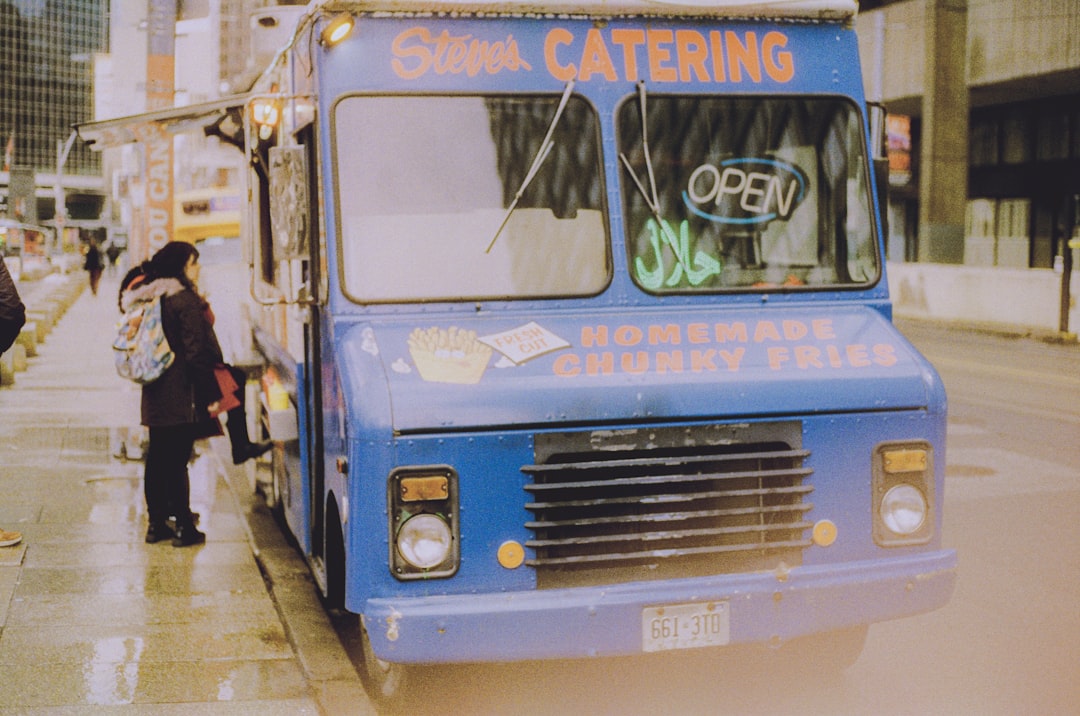
So, you’re wondering about food truck catering for your wedding? The short answer is: yes, it can be a fantastic, memorable, and often more budget-friendly option, but it also comes with its own set of considerations you’ll need to weigh. It’s not just about a cool vibe; it’s about logistics, cost, and guest experience.
Food trucks have truly exploded in popularity, and for good reason. They offer a unique blend of casual charm and serious culinary prowess. For weddings, they bring a distinct character that traditional catering sometimes lacks.
Why Food Trucks Are Trending
Beyond just being “hip,” food trucks offer a refreshing departure from the standard wedding banquet hall fare. They speak to couples looking for something more personal, less stuffy, and perhaps a bit more adventurous.
A Fresh Culinary Experience
Imagine your guests enjoying gourmet tacos, artisanal pizzas, or even bespoke desserts fresh off the truck. It’s an interactive experience, often with a visual appeal that adds to the overall ambiance of your special day.
Flexibility in Food Choices
One of the biggest draws is the sheer variety. You’re not limited to one caterer’s menu. You can often mix and match, bringing in different trucks for different courses or dietary needs.
Pros of Choosing Food Truck Catering
Let’s dive into the good stuff. There are some really compelling reasons to go this route for your big day.
Unique and Memorable Guest Experience
Your wedding will stand out. Guests will likely remember the delicious food from the quirky truck long after the confetti settles.
Interactive Element
Watching your food being prepared, even through a window, adds an element of entertainment. It’s a conversation starter and can make the meal feel more dynamic than a plated service.
Personalized Vibe
Food trucks often have strong brand personalities. This can be a great way to inject your own style and preferences into your wedding, reflecting your tastes as a couple.
Cost-Effectiveness
This is a big one for many couples. Food trucks can often be more budget-friendly than traditional full-service catering, though this isn’t always a guarantee.
Reduced Staffing Needs
Often, food trucks come with their own self-sufficient staff. This means you might not be paying for as many servers, bartenders, and kitchen staff as you would with a conventional caterer.
Streamlined Setup and Cleanup
The truck itself is the kitchen and serving station. This can significantly cut down on the time and effort required for setup and tear-down compared to building a temporary kitchen.
Culinary Diversity and Quality
Don’t let the “truck” part fool you. Many food truck chefs are highly skilled and passionate about their craft, offering restaurant-quality food.
Specialization Means Expertise
Most food trucks specialize in a particular cuisine or type of dish. This specialization often translates to higher quality and more authentic flavors than a caterer trying to do a little bit of everything.
Accommodating Dietary Restrictions
With multiple trucks, or even one good truck, it can be easier to cater to various dietary needs (vegetarian, vegan, gluten-free) by having dedicated options or even a dedicated truck.
Flexibility and Less Formality
If you’re aiming for a relaxed, fun atmosphere, food trucks fit right in.
Casual and Relaxed Atmosphere
They naturally lend themselves to a more laid-back vibe, which can be perfect for outdoor or rustic-themed weddings.
Adaptable to Various Venues
Provided there’s space and proper access, food trucks can operate in a wide range of venues, from open fields to urban lots.
Cons of Choosing Food Truck Catering
Now, for the reality check. It’s not all sunshine and gourmet tacos. There are practical challenges to consider.
Logistical Hurdles
This is where things can get tricky. Food truck catering requires careful planning and coordination.
Space Requirements
Food trucks are, well, trucks. They need ample space to park, maneuver, and operate safely. You’ll need to check with your venue about their policies and available space.
Power and Utilities
Most food trucks need access to power or will bring their own generators. If they use generators, consider the noise, especially during speeches or quiet moments. Water access might also be a concern.
Weather Dependency
If your wedding is outdoors, weather becomes a major factor. Rain, extreme heat, or cold can impact both the food quality and your guests’ comfort while ordering.
Permits and Regulations
Depending on your location and venue, there might be specific permits required for food trucks to operate, especially if they are serving alcohol. This can be a bureaucratic headache.
Service Flow and Efficiency
While charming, the service style of food trucks can present challenges for a large wedding.
Potential for Long Lines
If you have a large guest list and only one or two trucks, lines can form quickly, leading to guest frustration. This is especially true if each order is prepared individually.
Limited Menu Capacity
A single food truck often has a more limited menu than a traditional caterer. While specialization is a pro, it means less variety from that single source.
Not Ideal for Formal Settings
If you’re dreaming of a black-tie, sit-down dinner experience, food trucks simply won’t fit that aesthetic or service model.
Additional Costs and Hidden Fees
While often touted as cheaper, food truck catering can sometimes come with unexpected expenses.
Generator Rental/Fuel
If trucks need to bring their own power, there might be additional charges for generator rental and fuel.
Service Fees and Minimums
Many trucks have minimum spends for events, especially weddings. They might also charge travel fees, setup fees, or additional staff fees.
Tableware and Seating
Unlike full-service caterers who often provide plates, cutlery, and glassware, you’ll likely need to source these separately for food truck catering, adding to the cost and logistical load. You’ll also need to consider where guests will eat their food.
Trash Management
With guests potentially getting their food in disposable containers, you’ll have significantly more trash than a plated meal. You’ll need a plan and designated staff for trash collection and disposal.
Key Considerations Before Booking
Alright, you’ve weighed the pros and cons. If you’re still leaning towards food trucks, here are some crucial steps and questions.
Venue Compatibility
This is your first and most important hurdle. Don’t fall in love with a food truck before confirming your venue can accommodate it.
Discuss with Venue Coordinator
Ask about their policies on external caterers, specifically food trucks. Do they have preferred vendors? Are there noise restrictions? Power access? Designated parking?
Site Visit with Truck Owners
It’s a good idea for potential truck owners to visit your venue. They can assess accessibility, power sources, and suitable operating space.
Choosing the Right Food Trucks
This is where the fun begins, but also where careful vetting is essential.
Research and Taste Tests
Just like traditional catering, you need to taste the food! Attend local food truck events, check reviews, and schedule private tastings if possible.
Variety and Dietary Needs
Think about your guest list. Do you need a vegetarian-focused truck and a meat-focused one? Or one that can handle both well? Consider allergy information carefully.
Experience with Weddings/Events
Look for trucks that have experience catering weddings or large events. This indicates they understand the demands of such an occasion, from timing to service flow.
Logistics and Setup
This is where the devil is in the details. Don’t assume anything.
Number of Trucks per Guest
A general rule of thumb is one truck per 75-100 guests to avoid long lines, but this depends heavily on the type of food and service speed. For a cocktail hour and dinner, you might need more.
Service Schedule
Work with the truck owners to create a detailed service schedule. When will they arrive? When will food be served? How long will they serve?
Backup Plans
What happens if a truck breaks down or can’t make it? Discuss contingency plans with your other vendors or have a backup option in mind.
Waste Management
Who is responsible for trash? How will it be handled? This needs to be explicitly clear in your contracts.
Tips for a Seamless Food Truck Wedding
So you’ve decided to go for it. Here’s how to make it a roaring success.
Plan for All Weather Conditions
This is crucial for an outdoor food truck setup.
Tents and Covered Areas
Provide tents or covered areas for guests to queue and eat, protecting them from sun, rain, or even light wind.
Heating/Cooling Solutions
Depending on the season, consider portable heaters or cooling fans for guest comfort near the trucks.
Enhance the Guest Experience
Make it clear and comfortable for your guests.
Clear Signage
Help guests navigate! Clearly label which truck is serving what, and any dietary information.
Adequate Seating and Tables
Food truck food is often handheld, but guests will appreciate places to sit and eat comfortably, especially for larger meals. Don’t forget high-top tables or picnic benches.
Provide Water Stations
Staying hydrated is key, especially if guests are standing in line or if it’s a warm day.
Integrate with Other Wedding Elements
Food trucks don’t have to be entirely standalone.
Complementary Catering
Consider having a dessert truck alongside a more traditional main course, or vice-versa. Or use trucks for a late-night snack.
Beverage Service
Unless your food trucks are licensed to serve alcohol, you’ll need a separate bar service or bartender. Ensure this is coordinated with the food truck’s timing.
Designated Waiting Area
If lines are unavoidable, create a pleasant waiting area with music, lawn games, or comfortable seating.
Communicate Clearly with Vendors
Open and honest communication is paramount.
Detailed Contracts
Ensure everything is in writing: service times, menu, pricing, minimums, insurance, setup/teardown, and any specific requests.
Point Person
Designate a point person (wedding planner or trusted friend) who can coordinate with the food truck owners on the day of the wedding, so you don’t have to.
Insurance
Confirm that all food trucks have proper liability insurance. Your venue will likely require this.
Making the Final Decision
Food truck catering for your wedding can be an incredibly fun, personal, and delicious choice. It offers a chance to break free from tradition and create a truly memorable experience for your guests. However, it’s not a set-it-and-forget-it option. It requires careful planning, diligent research, and clear communication with all your vendors.
By thoroughly considering the pros and cons, addressing the logistical challenges head-on, and implementing smart planning tips, you can ensure your food truck wedding rolls smoothly and leaves everyone with full bellies and happy memories. Just make sure to grab a bite yourself!