Thinking about how to get more people to your events, or just generally boost your event business online? You’re in the right place. Digital marketing for event businesses is all about making sure the right people see what you’re offering at the right time, and ultimately, get them through the door (or to their screens). It’s not about shouting from the rooftops; it’s about having smart conversations in the right places.
Understanding Your Audience Before You Market
Before you even think about ads or social media posts, the absolute first step is to really know who you’re trying to reach. This isn’t just a formality; it’s the foundation of everything you’ll do online. Without this clarity, you’ll end up wasting time and money on marketing efforts that just don’t connect with the people you want to attend your events.
Why Knowing Your Audience Matters
Imagine you’re hosting a gourmet food tasting event. If you’re targeting young families with a focus on budget-friendly activities, you’re going to miss your mark entirely. Conversely, if you’re advertising a family-friendly festival to a crowd interested in high-end opera, you’re also out of luck. Understanding your ideal attendee means you can tailor your message, your visuals, and where you place those messages so they resonate.
Creating Your Ideal Attendee Profile
To get specific, start by thinking about:
- Demographics: What’s their age range? Where do they live (locally, nationally, internationally for online events)? What’s their income level? What’s their education like?
- Psychographics: What are their interests and hobbies? What are their values and beliefs? What kind of lifestyle do they lead? What motivates them? What are their pain points or unmet needs that your event can address?
- Behavioral Data: How do they typically discover events? Do they search online, rely on social media recommendations, read specific publications, or get recommendations from friends? When do they usually book tickets or decide to attend?
Don’t guess. Look at past attendees, survey potential attendees, and analyze data from your existing marketing efforts. This isn’t about profiling individuals in a creepy way; it’s about understanding broad trends so you can speak their language.
Investing in Your Event Website
Your website is your digital storefront and often the first impression potential attendees have of your event business. It needs to be more than just a place to list dates and ticket prices; it should be a hub of information, excitement, and easy navigation.
The Essentials of a Great Event Website
Think of your website as the ultimate information hub. It needs to be clear, concise, and compelling, providing all the necessary details without overwhelming visitors.
- Clear Event Information: For each event, make sure you have the date, time, venue (or online platform), a detailed description, pricing, and a prominent call to action (like “Buy Tickets” or “RSVP”).
- User-Friendly Navigation: People shouldn’t have to hunt for information. A simple, intuitive menu is crucial. They should be able to find event details, past event photos, contact information, and FAQs easily.
- Mobile Responsiveness: This is non-negotiable. A huge percentage of people will access your site on their phones. If it looks bad or is hard to use on a mobile device, they’ll leave.
- High-Quality Visuals: Use professional photos and videos that showcase the atmosphere and experience of your events. This tells a much better story than just text.
- Secure Ticketing/Registration: If you sell tickets or process registrations, ensure your system is secure, reliable, and easy to use. Look for platforms that integrate smoothly with your website.
- SEO Optimization: Make sure your website is structured so search engines can find it. This involves using relevant keywords in your content, having good meta descriptions, and ensuring fast loading times.
Beyond the Basics: Enhancing Your Website
- Blog/News Section: Share insights from speakers, behind-the-scenes content, highlight past successes, or offer tips related to your event’s theme. This helps with SEO and keeps your audience engaged.
- Testimonials/Reviews: Social proof is powerful. Showcase positive feedback from past attendees to build trust.
- Event Calendar: If you host multiple events, a well-organized calendar simplifies things for potential attendees looking to plan ahead.
- Contact Forms & Live Chat: Make it easy for people to ask questions. Live chat can be particularly effective for answering queries in real-time during peak booking periods.
Mastering Social Media for Event Promotion
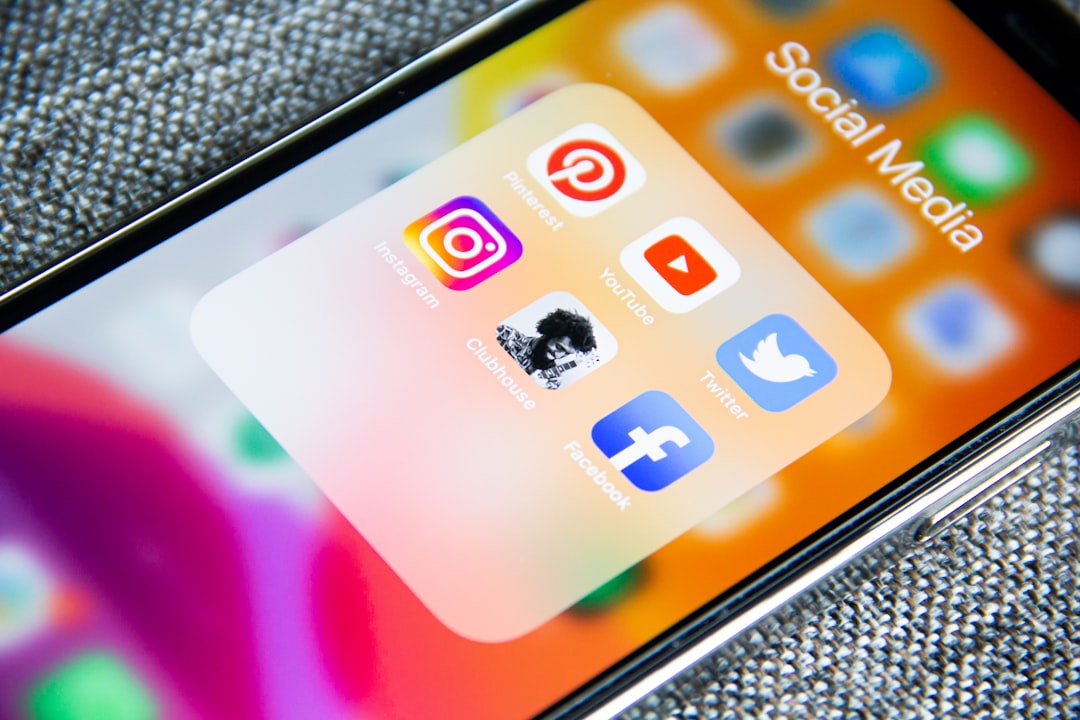
Social media is a dynamic tool for event businesses. It allows you to connect with your audience, build anticipation, and drive ticket sales in a way that feels more organic and conversational.
Choosing the Right Platforms
Not every social media platform is right for every event. Think about where your ideal attendees spend their time online.
- Facebook: Still a powerhouse for reaching a broad audience, especially for local events. Event pages are incredibly useful for sharing updates, discussions, and ticket links. Facebook Ads offer robust targeting options.
- Instagram: Visually driven, perfect for events with strong aesthetics – think weddings, festivals, art shows, food experiences. Stories, Reels, and high-quality posts can generate significant buzz.
- LinkedIn: Essential for business-focused events, conferences, workshops, and networking events. It allows you to reach professionals and thought leaders.
- TikTok: For younger demographics and events that can be creatively showcased in short, engaging video formats. Live streams can be very effective here for capturing real-time excitement.
- Twitter (X): Good for real-time updates, engaging in conversations around your event’s theme, and connecting with media or influencers.
Engaging Your Audience Creatively
It’s not just about posting a flyer. You need to tell a story.
- Behind-the-Scenes Sneak Peeks: Show the planning process, venue setup, or interviews with speakers/performers. This builds anticipation.
- User-Generated Content: Encourage attendees to share their experiences using a specific hashtag. Reshare their posts to build community and credibility.
- Interactive Content: Run polls, Q&A sessions, contests, or quizzes related to your event.
- Live Video: Stream parts of your event, interviews with participants, or Q&A sessions with organizers. This creates a sense of immediacy and exclusivity.
- Targeted Advertising: Utilize the advertising platforms on social media. You can target by interests, behavior, demographics, and even retarget people who have visited your website.
- Influencer Marketing: Partner with relevant influencers in your niche to reach their followers. Ensure they are a genuine fit for your event’s brand and audience.
Utilizing Email Marketing for Direct Connections
Email marketing remains one of the most effective ways to communicate directly with your audience. It’s a personal channel where you control the message and can nurture relationships with potential and past attendees.
Building Your Email List Strategically
Your email list is a valuable asset. Focus on building it with people who are genuinely interested in what you offer.
- Website Pop-ups: Offer a discount on tickets, a free guide, or exclusive content in exchange for an email address.
- Event Registration: Make it clear that by registering, they’ll also be added to your mailing list for future updates (with an opt-out option, of course).
- Social Media Sign-ups: Run campaigns that encourage people to sign up for your newsletter.
- Partnerships: Collaborate with complementary businesses or organizations to cross-promote email lists (with clear consent).
Crafting Effective Email Campaigns
Think of your emails as a conversation, not a broadcast.
- Welcome Series: For new subscribers, introduce your brand, what you do, and what they can expect from your emails.
- Event Announcements: Clearly state the event details, highlight the key benefits of attending, and include a strong call to action to purchase tickets.
- Reminder Emails: A few days before an event, send a reminder with all essential logistical information (what to bring, how to get there, etc.).
- Post-Event Follow-ups: Thank attendees, share photos or highlights, and perhaps offer a discount for future events or a survey for feedback.
- Segmentation: Divide your list based on past attendance, interests, or engagement levels. This allows you to send more targeted and relevant messages, which leads to higher open and click-through rates.
- Personalization: Use the attendee’s name, and reference their past interactions if possible. This makes the email feel more personal.
- Clear Calls to Action (CTAs): Make it obvious what you want them to do next – “Buy Tickets,” “Learn More,” “RSVP Now.”
Leveraging Paid Advertising for Reach and Results
While organic reach is great, paid advertising is often necessary to achieve your goals for event promotion, especially in a crowded marketplace. It allows you to target specific demographics and interests precisely.
Understanding Your Paid Advertising Options
There are several avenues to explore, each with its own strengths.
- Search Engine Marketing (SEM) / Google Ads:
- Search Ads: Appear when people actively search for terms related to your event (e.g., “music festival [city name],” “business conference topics”). This captures intent.
- Display Ads: Visual ads that appear on websites and apps across the internet. Good for brand awareness and remarketing.
- YouTube Ads: Video ads that can be highly effective for showcasing the experience of your event.
- Social Media Ads:
- Facebook & Instagram Ads: Offer incredibly detailed targeting options based on demographics, interests, behaviors, and custom audiences (like website visitors or customer lists).
- LinkedIn Ads: Ideal for B2B events, targeting professionals by job title, industry, company size, etc.
- Retargeting/Remarketing:
- This is crucial. Show ads to people who have already visited your website or engaged with your social media. They’ve shown interest, so a reminder can be very effective.
Key Principles for Effective Paid Campaigns
- Clear Goal Setting: What do you want to achieve with this ad campaign? Ticket sales, registrations, brand awareness? Your goal dictates your strategy and metrics.
- Precise Targeting: The more specific you are in defining your audience, the less you’ll waste money on clicks from uninterested people.
- Compelling Ad Copy & Creatives: Your ad needs to grab attention quickly. Use strong visuals, benefit-driven headlines, and a clear call to action. For videos, get straight to the point.
- Landing Page Optimization: When someone clicks your ad, where do they go? The landing page must be relevant to the ad, easy to navigate, and designed to convert (e.g., a direct ticket purchase page).
- Budget Management & Testing: Start with a reasonable budget and monitor your campaigns closely. A/B test different ad creatives, headlines, and targeting options to see what performs best.
- Conversion Tracking: Set up tracking so you know which ads and campaigns are actually leading to ticket sales or registrations. This is vital for understanding your ROI.
Measuring and Adapting Your Digital Marketing Efforts
The digital world is constantly evolving, and so should your marketing strategy. What works today might need tweaking tomorrow. That’s why tracking your results and being willing to adapt is absolutely critical.
Key Metrics to Track
Don’t get lost in a sea of numbers. Focus on the metrics that actually tell you if your efforts are paying off.
- Website Traffic: How many people are visiting your site? Where are they coming from (search engines, social media, direct)?
- Conversion Rate: What percentage of visitors to your website or landing page complete a desired action (e.g., buy a ticket, sign up for updates)?
- Click-Through Rate (CTR): For your ads and emails, what percentage of people who see them actually click on them?
- Cost Per Acquisition (CPA): How much does it cost you, on average, to get one ticket sale or registration through a specific campaign?
- Return on Investment (ROI): Are the profits from your events exceeding the money you’re spending on marketing?
- Social Media Engagement: Likes, shares, comments, and follower growth. Are people interacting with your content?
- Email Open & Click Rates: Are people opening your emails, and are they clicking on the links within them?
Tools to Help You Track
Fortunately, there are many tools available to simplify this process.
- Google Analytics: Essential for understanding website traffic, user behavior, and conversion tracking.
- Social Media Analytics: Most platforms (Facebook, Instagram, LinkedIn, etc.) have built-in analytics dashboards.
- Email Marketing Platform Analytics: Services like Mailchimp, Constant Contact, etc., provide detailed reports on your email campaigns.
- Ad Platform Dashboards: Google Ads and social media ad managers offer comprehensive performance data.
Adapting Your Strategy
Based on the data you collect, you can make informed decisions.
- Amplify What Works: If a particular social media platform or ad campaign is performing exceptionally well, consider allocating more budget or effort to it.
- Refine or Eliminate What Doesn’t: If a channel or campaign isn’t yielding results, don’t be afraid to adjust it or even stop it altogether. There’s no point in pouring resources into something that isn’t moving the needle.
- Test New Approaches: The digital landscape changes. Be open to experimenting with new platforms, ad formats, or content types.
- Listen to Your Audience: Pay attention to comments, feedback, and survey responses. These can provide invaluable qualitative insights that numbers alone can’t capture.
By consistently measuring your digital marketing efforts and being willing to adapt, you’ll ensure your event business stays relevant, reaches its target audience effectively, and ultimately sees greater success.