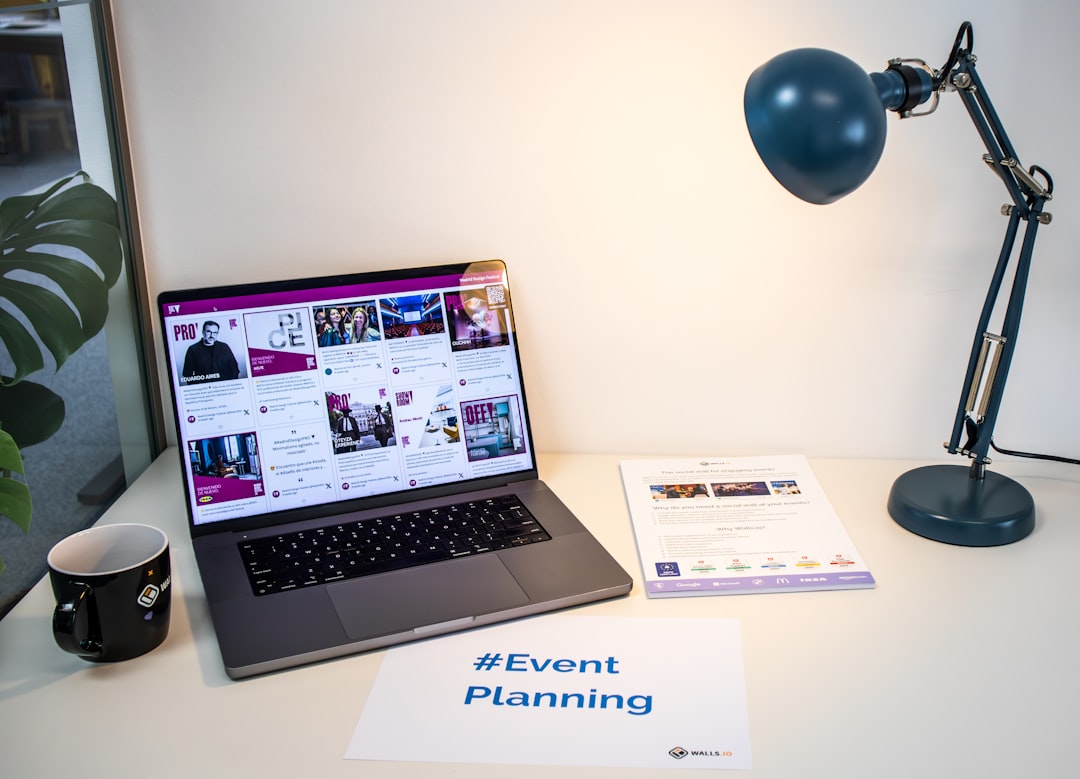
So, you want to make your event unforgettable in a crowded market? It all comes down to smart branding. Event branding isn’t just about a logo or a flashy website; it’s about crafting an entire experience that resonates with your audience and differentiates you from the competition. Think of it as developing your event’s unique personality and ensuring every touchpoint reflects that.
Your event’s identity is its heart and soul. It’s what makes people remember you, talk about you, and ultimately, want to come back. This goes way beyond just picking a nice font.
Define Your Core Values
What does your event genuinely stand for? Is it innovation, community, entertainment, education, or something else entirely? Pinpointing these core values is crucial. They’ll act as a compass for every branding decision you make. For instance, if your event champions sustainability, every element, from your materials to your messaging, should reflect that commitment. Don’t just pick buzzwords; dig deep and articulate what makes your event tick at its very core. This isn’t about what you think people want to hear, but what your event truly embodies.
Understand Your Target Audience Inside Out
Who are you trying to attract? What are their demographics? More importantly, what are their psychographics – their interests, pain points, aspirations, and even their lifestyle choices? Building detailed attendee personas will help you tailor your branding to speak directly to them. If you’re targeting young, tech-savvy professionals, your branding will naturally lean more modern and digital. If it’s for a family-oriented festival, a softer, more approachable aesthetic might be better suited. Don’t just assume; conduct surveys, look at social media trends, and analyze data from previous events. The more you know them, the better you can connect.
Develop a Distinctive Visual Language
This is where your event starts to look and feel like “it.” Your visual language includes your logo, color palette, typography, and even the style of imagery you use. Consistency is absolutely key here.
The Power of Your Logo
Your logo is often the first visual impression. It needs to be memorable, scalable, and versatile enough to work across all your marketing materials, from a tiny social media icon to a large banner. Don’t rush this. Consider hiring a professional designer who understands your event’s values and target audience. A good logo is simple, unique, and timeless.
Strategic Color Palettes
Colors evoke emotions and convey meaning. Research color psychology and choose a palette that aligns with your event’s values and desired mood. A tech conference might opt for cooler, modern blues and greens, while a music festival might use vibrant, energetic hues. Stick to a primary palette of 2-3 colors and a secondary palette for accents to maintain consistency.
Choosing Complementary Typography
Just like colors, fonts have personalities. A sleek, sans-serif font communicates modernity, while a serif font can convey tradition or sophistication. Choose a primary font for headlines and a secondary font for body text that are legible and visually appealing together. Avoid using too many different fonts, as this can make your branding look messy and unprofessional.
Consistent Imagery and Graphics
Whether it’s photos, illustrations, or icons, maintain a consistent style. If your event uses realistic photography, don’t suddenly throw in cartoony illustrations. Ensure the overall aesthetic of your visuals reinforces your brand’s personality. This builds familiarity and strengthens your overall identity.
Strategic Content and Messaging
Once you’ve got your visual identity down, it’s time to think about what you actually say and how you say it. This is where you tell your story.
Craft a Compelling Brand Story
Behind every successful event is a good story. What’s the narrative? Why did you create this event? What problem does it solve, or what experience does it offer that no one else does? People connect with stories, not just features. For example, instead of just saying “we have great speakers,” tell the story of how your event brings together diverse voices to spark groundbreaking ideas. Make it authentic and relatable.
Develop a Strong Brand Voice and Tone
Your brand voice is your event’s personality expressed in words. Is it formal, informal, witty, inspirational, educational, playful? Your tone is how that voice adapts to different situations. For example, your voice might be “expert and insightful,” but your tone in a social media comment might be slightly more playful, while in a press release, it would be more formal. Consistency in voice and tone builds trust and recognition.
Messaging for Different Stages of Engagement
Your messaging should adapt as attendees move through the journey from awareness to registration and beyond. Early stage messaging might focus on the big picture and excitement, while later stage messaging might be more practical and informational.
Clear and Concise Copywriting
In today’s fast-paced world, people scan, they don’t always read every word. Your copy needs to be clear, concise, and impactful. Get straight to the point, highlight benefits, and use action-oriented language. Avoid jargon unless it’s specifically for a niche audience that understands it.
Utilize Storytelling in Marketing Materials
Don’t just list features; tell stories. Use testimonials, attendee success stories, and behind-the-scenes glimpses to showcase the human element of your event. This makes your event feel more accessible and engaging. Video content is particularly powerful for storytelling. Short, impactful video clips that highlight key moments or participant interactions can be incredibly effective.
Experiential Branding
This is where your brand really comes to life beyond screens and paper. The actual experience of attending your event is the ultimate branding tool.
Design On-Site Experiences That Reflect Your Brand
Every physical touchpoint at your event should reinforce your brand. From the registration desk to the breakout rooms, signage, and even the food and beverage options – think about how each element contributes to the overall brand experience. If your brand is about innovation, your event setup should feel futuristic and interactive. If it’s about wellness, create calming, serene spaces.
Branded Decor and Signage
Don’t just put up generic arrows. Design all your signage, banners, and backdrops to align with your visual identity. Use your brand colors, fonts, and logo consistently. Event decor should go beyond functional and contribute to the overall atmosphere and brand story.
Interactive Elements
Think beyond passive displays. How can attendees interact with your brand? Photo booths with branded props, interactive installations, gamification, or even unique branded lounges can create memorable moments and opportunities for attendees to share their experiences.
Curate Content and Speakers Aligned with Your Brand
The content itself is a massive branding opportunity. The speakers you invite, the topics you cover, and the format of your sessions all communicate your brand’s values and expertise. Ensure that everything presented aligns with your brand story and appeals to your target audience. If your event focuses on cutting-edge technology, your speakers should be leaders in that field presenting forward-thinking topics.
Speaker Selection Criteria
Go beyond just “famous.” Choose speakers who resonate with your brand’s message, have a unique perspective, and can engage your audience effectively. Their personal brands should ideally align with your event’s brand.
Thematic Content Development
Ensure all your sessions, workshops, and keynotes contribute to a cohesive theme that reinforces your event’s overall message. This creates a strong sense of purpose and helps attendees understand the value proposition.
Leverage Sound and Scent
These often-overlooked elements can significantly enhance the attendee experience and reinforce your brand. Carefully chosen background music can set the mood, and subtle, pleasant scents can make a space feel more inviting and memorable. A carefully curated playlist for networking sessions, or a signature scent diffused in key areas, can leave a lasting impression that aligns with your brand’s personality. Think about how major retailers use scent to evoke certain moods – you can do the same for your event.
Digital Branding and Promotion
In today’s connected world, your digital presence is just as important, if not more important, than your physical event.
Build an Engaging Event Website
Your website is often the first point of contact for potential attendees. It needs to be visually appealing, user-friendly, and mobile-responsive. Ensure it clearly communicates your event’s identity, value proposition, and all necessary information.
User Experience (UX) and User Interface (UI) Design
A well-designed website isn’t just about looks; it’s about functionality. Make it easy for people to find information, register, and navigate between pages. A smooth UX contributes to a positive brand perception.
High-Quality Multimedia
Use high-resolution images, engaging videos, and interactive elements to showcase what your event is all about. Provide a glimpse into the experience to entice potential attendees.
Consistent Social Media Presence
Social media is a powerful tool for building anticipation, engaging with your audience, and extending your brand reach. Develop a consistent content strategy across your chosen platforms.
Platform-Specific Content
Understand that different platforms require different content strategies. What works on LinkedIn might not work on TikTok. Tailor your visuals, captions, and hashtags to each platform while maintaining your core brand voice.
Community Engagement
Don’t just broadcast; engage. Respond to comments, answer questions, run polls, and encourage user-generated content. This builds a loyal community around your event.
Create a unique and memorable event hashtag. Promote it heavily before, during, and after the event to encourage attendees to share their experiences and amplify your brand’s reach.
Email Marketing That Converts
Email remains one of the most effective tools for direct communication. Design your email templates to reflect your brand’s visual identity and craft compelling subject lines and content.
Segmented Campaigns
Don’t send the same email to everyone. Segment your audience based on their interests, past attendance, or registration status to deliver highly relevant content.
Automated Workflows
Set up automated email sequences for registration confirmations, reminders, and post-event follow-ups. This ensures a consistent brand experience and reduces manual workload.
Beyond the Event: Sustaining Your Brand
Your event brand shouldn’t disappear as soon as the last attendee leaves. Long-term thinking is key.
Post-Event Engagement
Keep the conversation going. Share highlights, photos, and videos. Encourage attendees to share their takeaways and feedback. This extends the life of your event and fosters a sense of community until the next one.
Follow-Up Communication
Send personalized thank-you notes, surveys for feedback, and early bird notifications for the next event. This keeps your audience engaged and shows you value their input.
Content Repurposing
Turn recordings of sessions, speaker insights, or attendee testimonials into blog posts, podcasts, or social media snippets. This provides ongoing value and reinforces your expertise.
Branded Merchandise and Memorabilia
Thoughtful, quality merchandise can be a powerful branding tool. It serves as a physical reminder of the event and can even generate revenue. Think practical items that people will actually use, rather than just clutter. A well-designed t-shirt, a useful branded notebook, or a high-quality water bottle can extend your brand’s presence in people’s lives.
Quality Over Quantity
Cheap, poorly made merchandise reflects poorly on your brand. Invest in items that are well-designed and functional.
Relevance to Your Brand
Ensure the merchandise aligns with your event’s theme and values. If you’re a sustainable event, choose eco-friendly products.
Gathering Feedback and Iterating
Your brand is not static. Collect feedback from attendees, sponsors, and speakers. What worked well? What could be improved? Use this information to refine your branding strategy for future events. Continuously evolving based on real-world input shows that you are responsive and dedicated to providing the best possible experience. This iterative process is crucial for long-term brand success and adaptability in a competitive landscape. Don’t be afraid to tweak, adjust, and even sometimes pivot, as long as it aligns with your core values.