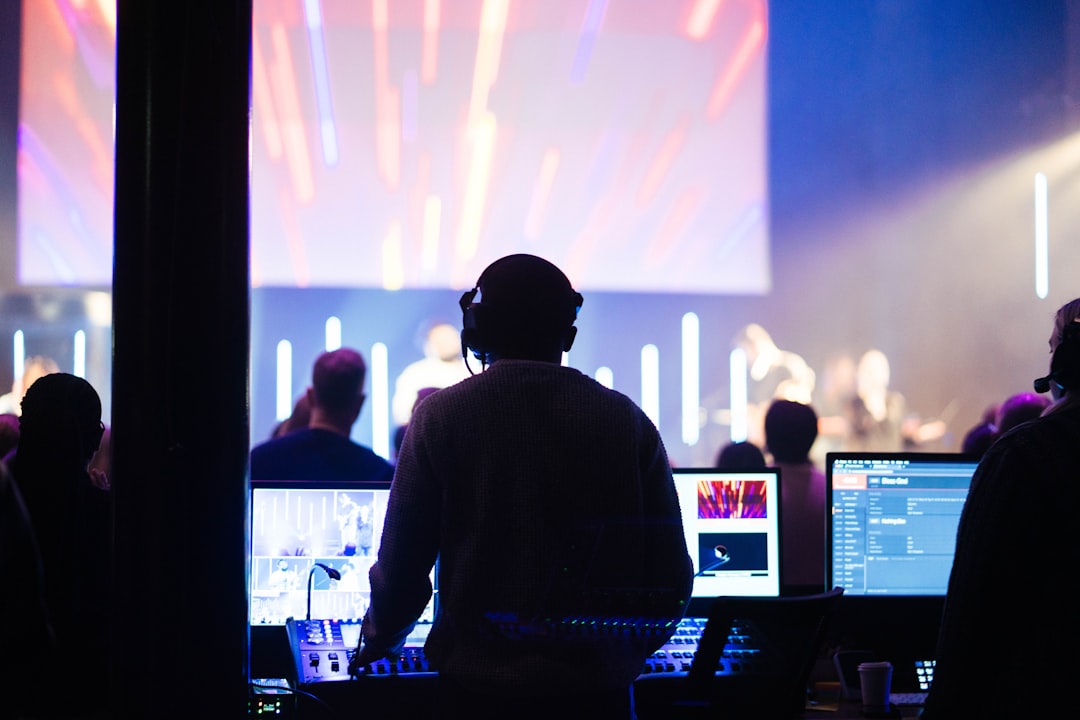
So, you’re curious about what virtual events will look like in 2030? In short, expect them to be vastly more immersive, personalized, and integrated into our daily lives, moving far beyond the glorified video calls we’re familiar with today. We’re talking about experiences that genuinely rival, and in some cases surpass, the benefits of in-person gatherings, all powered by advancements in technology and a deeper understanding of human engagement.
The days of staring at a grid of faces on a flat screen are quickly fading. By 2030, virtual events will be defined by their ability to transport attendees into rich, dynamic digital environments.
Realism through Advanced Graphics
Imagine trade shows where you can virtually walk through detailed exhibition halls, examining products up close with photorealistic rendering. Conferences could take place in meticulously crafted digital auditoriums, complete with interactive stages and breakout rooms that feel genuinely spatial. This isn’t just about pretty pictures; it’s about creating a sense of presence that minimizes cognitive load and enhances focus. We’ll see the widespread adoption of game-engine technologies, like Unreal Engine, used to build these environments, allowing for incredibly detailed and interactive virtual worlds.
The Rise of the Metaverse and Web3
While the “metaverse” is a buzzy word now, by 2030, its application in virtual events will be practical and commonplace. Think of persistent virtual spaces where communities can gather, not just for a scheduled event, but for ongoing discussions and collaborations. NFTs might serve as unique tickets, badges with special access, or even digital assets exchanged within these events, adding a layer of ownership and exclusivity. Web3 principles will foster decentralized event platforms, giving creators and attendees more control over their data and experiences.
Haptic Feedback and Sensory Immersion
This is where things get really interesting. While still in its nascent stages, expect haptic feedback to play a role in enhancing the virtual experience. Imagine “feeling” a handshake during a virtual networking session or experiencing subtle vibrations that correspond to an on-screen presentation. Olfactory tech (smell stimulation) might even be introduced in niche events, though its widespread adoption will likely be slower. The goal is to engage more senses, making the virtual indistinguishable from the physical at a sensory level.
Personalization at Scale: Tailored Experiences
One of the biggest advantages virtual events will leverage by 2030 is truly individualized experiences, moving away from a one-size-fits-all approach.
AI-Powered Event Journeys
Artificial intelligence will be the backbone of personalized event experiences. Imagine an AI concierge that understands your interests and networking goals, recommending sessions, booths, and even other attendees you should connect with. It could dynamically adjust the content you see, surfacing only the most relevant information and filtering out the noise. This means less time wasted browsing and more time engaging with what truly matters to you.
Dynamic Content Delivery
Content won’t just be streamed; it will be responsive. Depending on your engagement, previous interactions, and declared preferences, the event platform will serve up specific videos, documents, or even live Q&A sessions dynamically. Think of choose-your-own-adventure style events, where your decisions genuinely influence the information you receive and the path you take through the event.
Adaptive Networking Spaces
Networking often feels forced in current virtual events. By 2030, AI will facilitate more natural connections. Algorithms will identify ideal networking matches based on shared interests, professional goals, and even past collaboration history. Virtual networking spaces will adapt, allowing for impromptu group discussions or one-on-one meetings, complete with AI-powered icebreakers and conversation starters to ease the initial awkwardness.
The Hybrid Evolution: Blending Realities
While this article focuses on virtual events, it’s impossible to talk about their future without acknowledging the enduring role of hybrid models. By 2030, the lines between physical and virtual will be beautifully blurred.
Seamless Integration of Physical and Digital Attendees
Hybrid events won’t be about having a “virtual track” and a “physical track.” Instead, both sets of attendees will be deeply integrated. Virtual attendees might “teleport” a high-fidelity avatar into a physical event space to interact with in-person participants, while physical attendees could seamlessly join virtual breakout rooms with remote colleagues. Holographic projections and advanced AR glasses could further bridge this gap, allowing remote speakers to appear “live” on stage or offering attendees interactive overlays on their environment.
Leveraging Local Hubs
For larger global events, we’ll see a rise in decentralized hybrid models. Instead of everyone flying to one central location, local “hubs” will emerge. These hubs will offer small, in-person gatherings with curated content and networking opportunities, all connected to a larger virtual event platform. This reduces travel costs and environmental impact while still providing a sense of community and localized interaction.
Content Creation & Distribution Parity
Content created at a physical event will be immediately optimized for virtual consumption, and vice-versa. Think AI-powered real-time transcriptions, translations, and summarizations of live keynotes for virtual attendees, or virtual-first content being selectively beamed into physical event screens. The distinction between “recorded” and “live” content will also diminish, with events offering on-demand, interactive segments available long after the “live” portion ends.
Accessibility and Inclusivity: A New Standard
The virtual format has already opened doors for many, but by 2030, accessibility and inclusivity will be fundamental design principles, not afterthoughts.
Universal Design Methodologies
Event platforms will be built from the ground up with universal design in mind. This means robust support for screen readers, keyboard navigation, and adjustable font sizes as standard. Features like real-time closed captioning and multi-language translation will be ubiquitous, ensuring content is accessible to a global audience with diverse needs.
Avatar Customization and Identity Representation
Going beyond basic skin tone and hair color, avatar customization will allow for genuine representation of gender identity, ability, and cultural expression. This fosters a more inclusive environment where attendees can present themselves authentically, enhancing psychological safety and comfort.
Bridging the Digital Divide
While a challenge, efforts will be made to address the digital divide. Event organizers might partner with local communities to provide access points, or platforms will be designed to be highly bandwidth-efficient, ensuring a decent experience even for those with limited internet access. The goal is to minimize barriers to participation, making knowledge and networking available to a broader spectrum of society.
Monetization and Business Models: Evolving for Value
The financial landscape of virtual events will mature significantly, moving beyond simple ticket sales to diverse, value-driven models.
Subscription-Based Event Access
Imagine subscribing to an “event season” from a particular industry association, granting you access to all their virtual conferences, workshops, and even exclusive networking lounges throughout the year. This provides consistent revenue for organizers and continuous value for attendees.
Micro-Transactions and Enhanced Experiences
Beyond basic tickets, attendees might pay small fees for premium features: advanced AI networking tools, access to exclusive “VIP” virtual areas, personalized coaching sessions, or unique digital collectibles (NFTs) tied to their event experience. These micro-transactions could fund richer content and more engaging features.
Data-Driven Sponsorship and Advertising
Sponsorship will become far more sophisticated. Instead of static logos, sponsors will have dynamic, interactive virtual booths, offering personalized product demonstrations or direct engagement with qualified leads identified by AI. Data analytics on audience engagement will provide sponsors with tangible ROI metrics, allowing for highly targeted and effective advertising within the virtual environment. This means less generic banner ads and more contextualized, valuable interactions.
In essence, the future of virtual events in 2030 isn’t just about recreating physical events online. It’s about designing entirely new, powerful, and personalized experiences that leverage technology to connect, educate, and inspire in ways we’re only just beginning to imagine. It’s an exciting prospect, promising a world where geographical limitations no longer dictate access to knowledge and community.