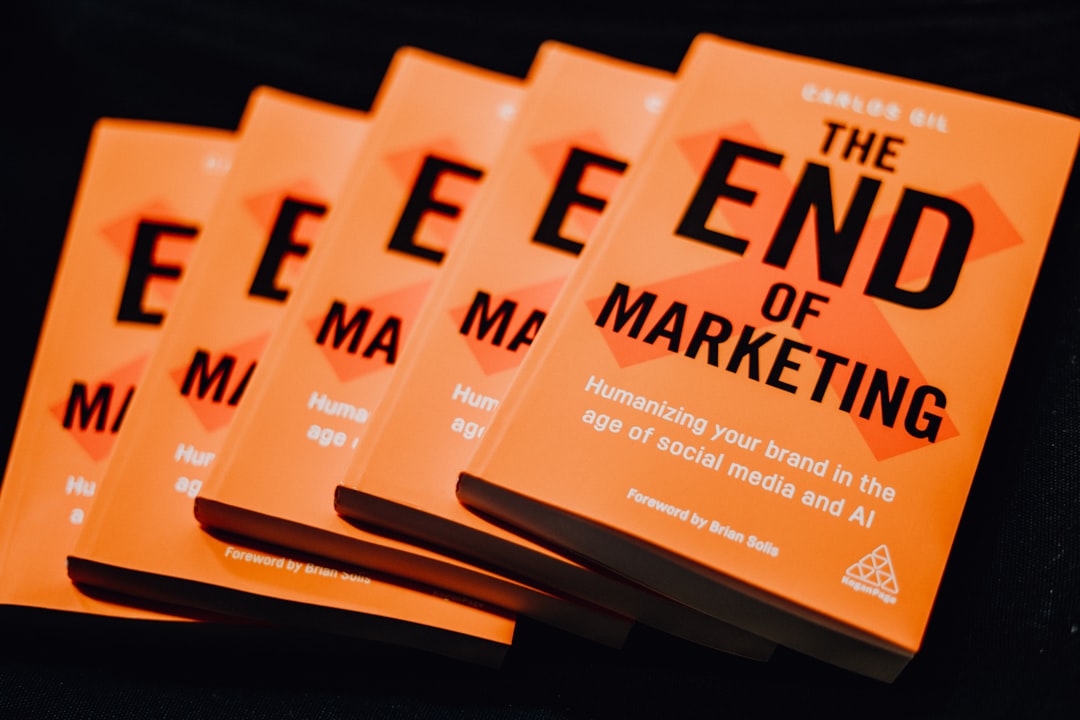
Let’s talk about marketing psychology – what actually works to grab people’s attention and get them interested in what you have to offer, without being pushy or feeling fake. It boils down to understanding how people think and feel when they’re making decisions, especially when it comes to buying something. It’s not about tricking anyone; it’s about communicating in a way that resonates.
Tapping Into Curiosity: The Power of the Unknown
Ever scrolled past something online and stopped because the headline made you go, “What’s that about?” That’s curiosity in action, and it’s a seriously potent marketing tool. People are naturally wired to want to fill gaps in their knowledge. When you present something that hints at something more, something they don’t yet know, they’re much more likely to click, read, or investigate further.
The “Curiosity Gap” Principle
This is the core idea. You create a little bit of mystery, a question mark, or a hint of something valuable that isn’t fully revealed upfront. Think of it like a trailer for a movie – it shows you enough to pique your interest but leaves you wanting to see the whole thing.
Crafting Intriguing Headlines
Your headline is your first and often only chance to grab someone. Instead of saying “Our New Product Is Amazing,” try something like:
- “The One Simple Trick That Doubled My Sales” (Implies a secret, easily replicable method)
- “Are You Making This Common Marketing Mistake?” (Plays on the fear of missing out or doing something wrong)
- “Unlock the Hidden Potential of [Your Industry/Topic]” (Suggests exclusive knowledge and benefit)
The key is to hint at a solution, a benefit, or a revelation without giving it all away.
Using Visual Cues
Images and videos can also create curiosity. A slightly obscured product, a mysterious silhouette, or a video that starts with an intriguing question can all draw people in. It’s about making them wonder what’s behind the curtain.
The Follow-Up Effect
Once you’ve got someone engaged with curiosity, you need to deliver on the promise. If you create a huge buzz but then offer a lackluster explanation or a disappointing product, you’ll erode trust. The follow-up content should satisfy that initial curiosity in a meaningful way.
Social Proof: We Trust What Others Trust
Think about the last time you were trying to decide between two similar products. Did you look at the reviews? Did you see how many people had bought one versus the other? That’s social proof, and it’s incredibly powerful because it leverages our innate tendency to follow the crowd. If other people seem to like something, we’re more inclined to believe it’s good.
Testimonials and Reviews: The Real Deal
Actual feedback from real people is gold. This isn’t just about saying “great product.” It’s about specific examples of how your product or service solved a problem.
Featuring Customer Stories
Instead of just having a star rating, encourage customers to share their experiences. A video testimonial or a detailed written review that explains the journey and the outcome can be incredibly convincing.
Using “Wisdom of the Crowds” Metrics
Numbers matter. Showing things like:
- “Over 10,000 satisfied customers”
- “Our most popular item”
- “Featured in [Reputable Publication]”
These statistics subtly tell potential customers that many others have already made the decision and found value.
Influencer Marketing: Leveraging Trust
When someone with a significant following and genuine credibility recommends your product, it’s a form of social proof. People often trust the opinions of influencers they follow as much as they would a friend’s recommendation.
Authenticity is Key
The most effective influencer marketing happens when the influencer genuinely uses and believes in the product. Forced endorsements feel hollow and can backfire.
Micro-Influencers for Niche Audiences
Don’t overlook smaller influencers. They often have highly engaged, niche audiences who see them as more relatable and trustworthy than macro-influencers.
Scarcity and Urgency: The Fear of Missing Out (FOMO)
This is a classic for a reason. When people perceive something as limited, they often assign it a higher value and feel a stronger urge to act quickly.
Limited Stock Alerts
Phrases like “Only 5 left in stock!” or “Selling fast!” create a sense of urgency. This works best when it’s genuine.
Time-Sensitive Offers
“This offer ends tonight,” or “Sale ends Friday!” are effective because they put a deadline on the decision. It helps people overcome procrastination.
The Principle of Reciprocity: Give to Get
This is one of the most fundamental psychological principles. When someone does something nice for you, you feel an almost irresistible urge to do something nice back. In marketing, this translates to giving value upfront before you ever ask for anything.
Offering Free Value
The most common way to leverage reciprocity is by giving something away for free. This could be:
- Free content: Blog posts, guides, webinars, podcasts.
- Free samples: For physical products.
- Free trials: For software or subscription services.
- Free consultations: For service-based businesses.
This act of generosity makes people feel indebted, increasing the likelihood they’ll consider your paid offering later.
The Quality of the Freebie
The free value you offer must be genuinely useful and high-quality. A shoddy freebie will do more harm than good. It should showcase the expertise and quality you can deliver.
Framing the “Ask” After the Gift
Once you’ve provided value, your subsequent request for a purchase or sign-up feels less like an imposition and more like a natural exchange.
Building Relationships
Reciprocity isn’t just transactional. It applies to building relationships too. When you consistently offer helpful advice, respond to questions promptly, and show genuine interest in your audience, you build goodwill. This makes them more likely to support you when you do have something to sell.
Loss Aversion: We Fear Losing More Than We Desire Gaining
Loss aversion is the idea that people feel the pain of a loss about twice as strongly as the pleasure of an equivalent gain. This means highlighting what someone stands to lose by not taking action can be more motivating than highlighting what they stand to gain.
Framing Downsides of Inaction
Instead of focusing on all the amazing benefits of your product, consider what problems it solves and what those problems will cost them if left unaddressed.
“Don’t Miss Out On…”
This is a direct application of loss aversion. It’s about focusing on what they won’t have if they don’t act.
Highlighting Risks of the Status Quo
If your audience is stuck in an inefficient or costly situation, show them the losses they are currently incurring. For example, for a business:
- “How much is wasted time costing your team each week?”
- “Are outdated systems bleeding your profits?”
This frames your solution as a way to prevent further loss.
Free Trials and Money-Back Guarantees
These are powerful tools that directly address loss aversion by removing the perceived risk of purchase.
The “Try Before You Buy” Mentality
When people can try something for free, they get accustomed to it. The idea of losing that convenience or benefit after the trial ends can be a strong motivator to convert.
Risk Reversal
A money-back guarantee essentially flips the risk. The buyer has nothing to lose, while you are banking on the product’s value convincing them to keep it.
The Power of Storytelling: Connecting on an Emotional Level
People don’t just buy products; they buy solutions, experiences, and aspirations. Stories are the most effective way to communicate these deeper connections. They bypass the purely logical brain and tap into emotions.
Why Stories Resonate
Our brains are hardwired for stories. We remember narratives better than dry facts. Stories create empathy, make abstract concepts relatable, and build a stronger emotional bond.
Case Studies as Narratives
A customer success story is a perfect example. It has a protagonist (the customer), a challenge (their problem), a journey (how they used your solution), and a resolution (their success).
Brand Origin Stories
The “why” behind your brand is often more engaging than the “what.” People want to know the passion, the struggle, and the vision. This builds authenticity and connection.
Empathy Through Character
When you tell stories, use characters that your audience can identify with. If your audience is overwhelmed parents, tell a story about a parent who found relief. This allows them to see themselves in the narrative.
Emotional Triggers in Content
Think about the emotions you want to evoke: hope, excitement, security, relief. Craft your message to touch upon these.
Using Vivid Language
Descriptive words and imagery help paint a picture in the reader’s mind, making the story more immersive and emotionally impactful.
Focusing on Transformation
People are often looking for a transformation. Show them how your product or service can take them from a less desirable state to a much better one. The story should illustrate this journey.
Simplicity and Clarity: Less is More
In a world full of noise and distractions, the ability to communicate clearly and concisely is a superpower. Overly complex messaging often leaves people confused and disengaged.
Removing Friction
The easier it is for someone to understand what you offer and how to get it, the more likely they are to do so.
Clear menus, intuitive layouts, and easy-to-find information reduce frustration.
Streamlined Checkout Processes
Long, complicated checkout forms are a major conversion killer. Make it as fast and painless as possible.
Unambiguous Value Proposition
What problem do you solve, and for whom? This needs to be crystal clear from the outset.
“So What?” Test
For every feature or benefit you list, ask yourself, “So what?” Why does that matter to the customer? Keep drilling down to the core value they receive.
Avoiding Jargon and Buzzwords
Unless your audience is highly technical and specific, steer clear of industry jargon. Use language that your ideal customer would use themselves.
Visual Simplicity
Clean design, ample white space, and easy-to-read fonts contribute to a sense of clarity and professionalism. It helps the message stand out rather than getting lost in clutter.
Conclusion
Marketing psychology isn’t about manipulation; it’s about understanding human behavior and using that knowledge to communicate more effectively and ethically. By tapping into curiosity, leveraging social proof, practicing reciprocity, understanding loss aversion, telling compelling stories, and prioritizing clarity, you can connect with your audience on a deeper level and build genuine relationships that lead to lasting success. It’s about making your message heard and understood by the right people, in a way that resonates with them.