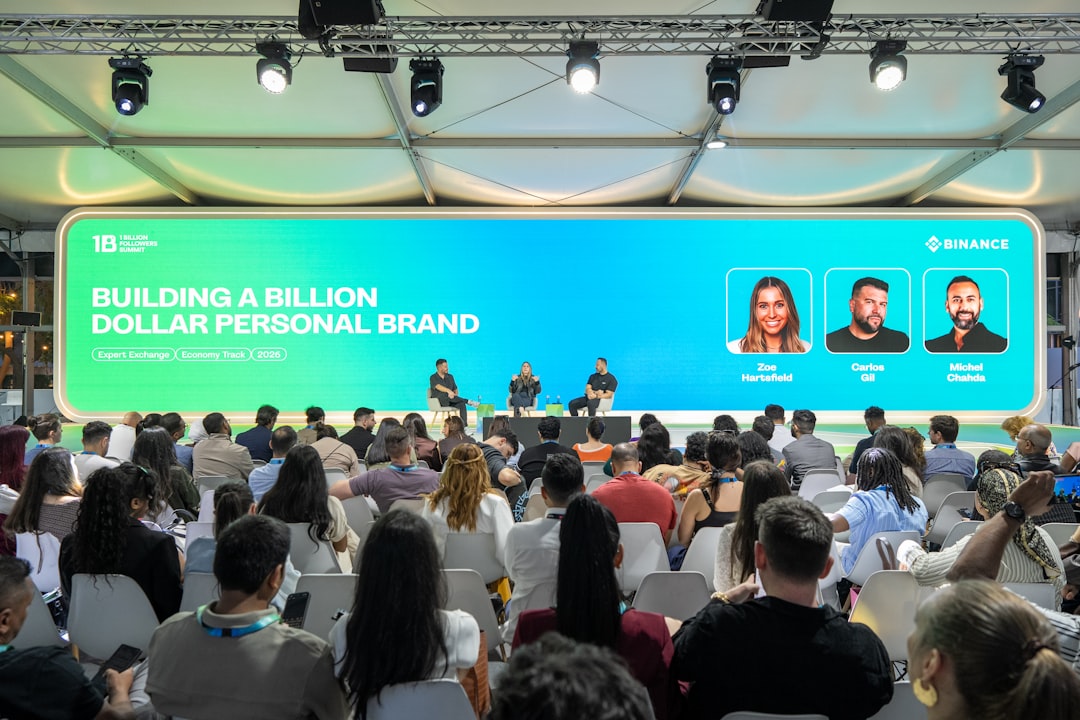
Thinking about how to get people excited about your next event? You’re not alone. Coming up with fresh content ideas for event marketing campaigns can feel like a constant uphill battle. The good news is, it doesn’t have to be. The key is to tap into what your potential attendees actually care about and show them why your event is the solution to their needs or desires. Let’s dive into some practical ways to fill your content calendar and make your next event a buzzworthy success.
People love feeling like they’re getting an exclusive look. This is especially true for events. It creates anticipation and makes them feel more connected to what’s happening before it even begins.
Venue Reveal and Setup Tours
Showcasing your event space can be a powerful tool. It gives attendees a tangible idea of what to expect.
- Walkthrough Videos: Film a quick video tour of the venue. Highlight key areas like the main stage, networking zones, breakout rooms, and even restrooms or amenities. This helps people visualize where they’ll be and orient themselves.
- “Day Before” Photos: Share candid snapshots of the venue setting up. This shows the hard work and excitement building. It’s a simple but effective way to build hype.
- Floor Plan Graphics: Create a visually appealing graphic of the event layout. Point out important locations and how attendees can navigate the space. This adds a practical layer to the excitement by making the event feel more accessible.
Speaker and Performer Spotlights
Your speakers and performers are often the main draw. Give them the spotlight they deserve.
- “Meet the Speaker” Series: These aren’t just bios. Interview them! Ask them about their passion for the topic, what they’re most excited to share, or even a fun fact. This humanizes them and makes attendees eager to hear them speak.
- Short Video Introductions: Have speakers record brief video clips (15-30 seconds) introducing themselves and what they’ll be covering. These are easily shareable on social media.
- “From the Stage” Teasers: If possible, get short audio snippets or even a few sentences from what a speaker plans to say. This offers a direct glimpse into the content.
Event Team Introductions
Letting people see the faces behind the event can foster trust and goodwill. It shows there’s a dedicated team working to make things happen.
- “Meet the Team” Posts: Short, friendly introductions of key team members, their roles, and maybe a fun fact about their involvement with the event.
- “A Day in the Life” Snippets: Show a team member working on a specific task – designing signage, coordinating logistics, handling registrations. This demonstrates the effort involved.
Value-Driven Content That Solves Problems
Beyond just announcing your event, your marketing should offer genuine value. This positions you as a helpful resource, not just an advertiser.
Pre-Event Educational Content
Think about what challenges or questions your target audience has that your event will address. Create content that solves those small problems before the event.
- “How-To” Guides Related to Event Themes: If your event is about digital marketing, create guides on specific tactics like “5 Quick Wins for Social Media Engagement” or “A Beginner’s Guide to SEO.”
- Checklists and Templates: Offer downloadable checklists for attendees preparing for the event. For example, a “Conference Networking Survival Kit” or a “Workshop Preparation Checklist.”
- Industry Trend Reports (Summarized): Share digestible summaries or infographics of key trends relevant to your event’s industry. This shows you’re knowledgeable and keeps attendees informed.
- “Ask Me Anything” Sessions (Pre-Event): Host live Q&A sessions on social media or via webinar with a speaker or an expert on a topic that will be covered at the event. Answer common questions that attendees might have.
Resource Libraries and Toolkits
Compile useful resources for attendees that they can access both before and after the event.
- Curated Links to Articles and Studies: Gather a collection of valuable articles, research papers, or whitepapers related to your event’s themes. Present them as a “Further Reading” list.
- Glossaries of Terms: If your event involves technical jargon or industry-specific language, a glossary can be incredibly helpful for newcomers.
- Recommended Reading/Listening Lists: Suggest books, podcasts, or other media that complement the event’s content.
Case Studies and Success Stories
Highlighting how others have benefited from similar experiences (or from your organization) builds credibility.
- Short, Impactful Testimonials: Go beyond generic quotes. Feature attendees from past events, sharing specific outcomes or takeaways they achieved. Video testimonials are particularly effective.
- “Before and After” Scenarios: Illustrate the transformation that attendees can expect. For example, “Before: Struggling with X. After attending our event: Successfully implemented Y.”
- Industry Deep Dives (with Event Relevance): Analyze a successful project or initiative within your industry and subtly link it back to the expertise or lessons that will be shared at your event.
Interactive Content to Drive Engagement
Static content is fine, but interactive elements get people involved and make them more likely to remember your event.
Polls and Quizzes
These are easy to create and provide instant engagement for your audience.
- “What’s Your Biggest Challenge?” Polls: Ask audience members about their pain points related to your event’s subject matter. This helps you tailor content and shows you’re listening.
- “Test Your Knowledge” Quizzes: Create fun quizzes related to the event’s industry or topics. This can be a lighthearted way to introduce concepts.
- “Predict the Future” Polls: For industry events, ask attendees to predict upcoming trends or outcomes. This sparks discussion.
Contests and Giveaways
Who doesn’t like winning something? Contests are a classic for a reason.
- “Share to Win” Contests: Encourage attendees to share event posts or their excitement about attending for a chance to win a prize – perhaps upgraded tickets, merchandise, or a special VIP experience.
- Trivia Contests: Tie trivia questions to your event’s themes or speakers. This can be a fun way to educate and engage.
- Photo/Video Contests: Ask attendees to share photos or short videos related to the event’s theme, or even their preparations for attending.
Q&A and Live Sessions
Real-time interaction is incredibly valuable.
- “Ask Me Anything” (AMA) with Speakers: Host live Q&A sessions on social media or a dedicated platform where attendees can submit questions to speakers in advance or during the session.
- Live Debates or Panel Discussions (Pre-event): Stage short, live discussions on trending topics related to your event. This offers a taste of the engaging content participants can expect.
- Interactive Workshops (Demo): If your event features hands-on workshops, offer a very short, introductory live demo or a mini-session online to showcase the format and value.
User-Generated Content (UGC) Strategies
Leveraging what your audience and past attendees are already saying is incredibly powerful and authentic.
Encouraging Attendee Stories and Experiences
Empower your audience to become your content creators.
- “Why I’m Attending” Campaign: Ask people to share why they’ve registered for the event, what they’re hoping to learn, or who they’re excited to see. Use a specific hashtag.
- Throwback Thursdays to Past Events: If you have a history, share photos and videos from previous events and ask attendees to share their favorite memories using your event hashtag.
- Highlighting Attendee Networking Goals: Encourage attendees to share who they’re hoping to connect with and why. This can facilitate pre-event networking.
A well-promoted hashtag is central to UGC.
- Create a Unique and Memorable Hashtag: Make it easy to remember and unlikely to be used by others.
- Promote the Hashtag Everywhere: Include it on your website, social media profiles, email signatures, and all promotional materials.
- Actively Monitor and Engage: Don’t just create a hashtag; monitor it. Like, comment on, and reshare relevant posts from attendees. This encourages more participation.
Showcasing Social Proof
People trust what other people say more than what brands say.
- Curated Social Media Walls: Embed a feed of posts using your event hashtag onto your event website. This adds real-time social proof.
- “What People Are Saying” Snippets: Regularly share positive tweets, comments, or even short video clips from attendees on your own channels, always asking for permission.
- Repurpose Attendee Quotes and Photos: With permission, turn great attendee feedback into visually appealing graphics or short video testimonials.
Post-Event Content to Extend the Lifespan
The event might be over, but your content creation shouldn’t stop. This is crucial for building loyalty and driving attendance for future events.
Recaps and Highlights
Give attendees (and those who missed out) a taste of what happened.
- Event Recap Videos: Produce a polished video highlighting the best moments, key takeaways, and overall atmosphere of the event.
- Photo Galleries: Share high-quality professional photos from across all event days and sessions.
- “Top Moments” Blog Posts or Social Media Threads: Summarize the most impactful speeches, the most insightful discussions, or the most engaging activities.
Session Recordings and Summaries
Provide ongoing access to valuable content.
- On-Demand Session Videos: Make recordings of key sessions available to attendees (or offer them as paid content or an incentive for future registration).
- Slide Decks and Presentations: Share speakers’ presentation slides (with their permission). This allows attendees to revisit specific points.
- Key Takeaway Summaries: For each major session or theme, create concise written summaries that capture the core messages and action items.
Community Building and Future Engagement
Keep the conversation going and nurture relationships.
- Thank You Messages: Send personalized thank you notes to attendees, speakers, sponsors, and volunteers.
- Feedback Surveys: Collect crucial feedback not only for improvement but also as a way to show attendees their opinions matter. Analyze this feedback and share key themes or actions you’ll be taking.
- Future Event Teasers: Start hinting at what’s next. Share early bird registration dates or announce themes for the next event while excitement is still high.
- Online Community Forums: If appropriate, create a dedicated online space (e.g., a LinkedIn group or Slack channel) for attendees to continue networking and discussions.
By planning your content with these ideas in mind, you can create a robust and engaging marketing campaign that not only gets people excited about your upcoming event but also provides lasting value for your audience. Remember to always think about your target attendee and what will truly resonate with them.