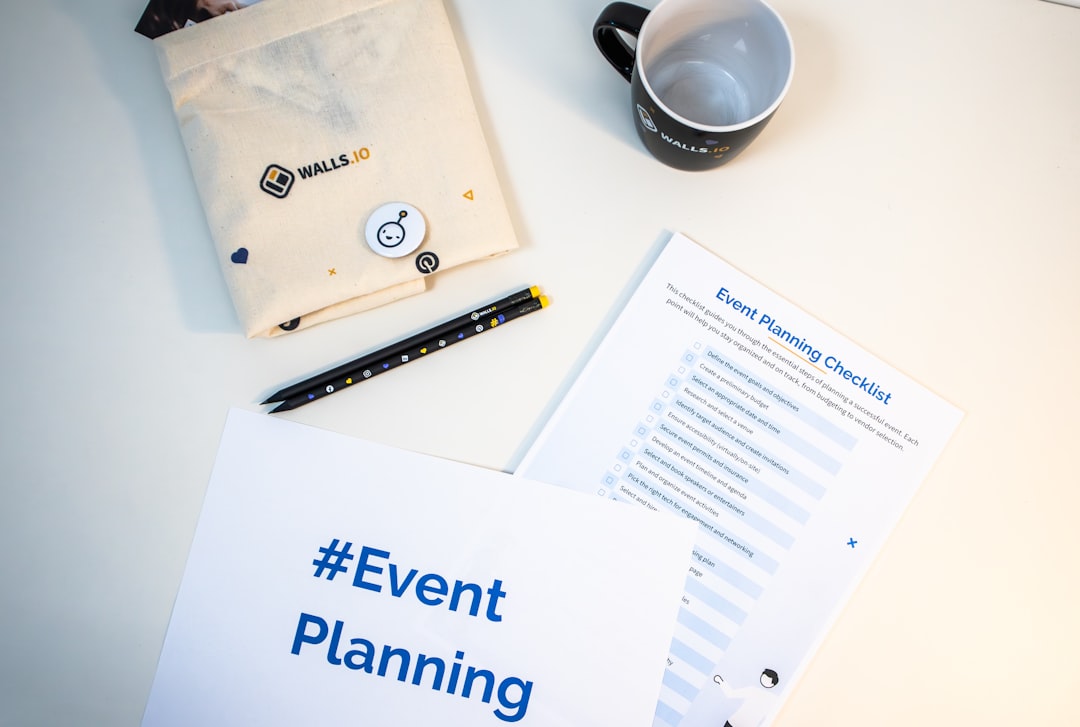
So, you’re planning an event? Big or small, there’s a lot to wrangle, and knowing where to start can feel a bit overwhelming. The good news is, event timeline planning isn’t some mystical art. It’s all about breaking things down into manageable steps. Think of it like packing for a trip – you don’t just shove everything in at the last minute. You plan, you pack smart, and you end up much less stressed.
The absolute core of event timeline planning is to start backward from your event date. Figure out what must happen and by when, then work your way forward, assigning tasks and deadlines to each step. This checklist will help you do just that, keeping you organized and on track, no matter what kind of event you’re putting together.
This is where you lay the groundwork. If you’ve already got your event date locked in, great! If not, now’s the time to pencil it in, keeping in mind popular dates or potential conflicts. This phase is about defining what the event is and who it’s for.
Defining Your Event’s Core
- What’s the purpose? Be blunt. Is it to celebrate? To educate? To network? To launch something? Knowing the “why” helps guide every other decision.
- Who are you inviting? This is crucial. Define your target audience. Their expectations, interests, and demographics will shape the entire event. Are you aiming for industry professionals, community members, friends and family, or a specific niche?
- What’s your budget? Get realistic. Even a rough estimate at this stage is better than none. This will dictate venue choices, catering, entertainment, and pretty much everything else. Break it down into categories (venue, F&B, marketing, staffing, etc.).
- Set SMART Goals: What does success look like? More attendees? Increased sales? Higher engagement? Make them Specific, Measurable, Achievable, Relevant, and Time-bound.
Securing the Date & Venue
- Tentative Date: If you haven’t already, pick a few potential dates. Consider holidays, other major local events, and the availability of key people.
- Venue Research: Start looking at spaces that fit your budget, capacity needs, and overall vibe. Don’t just look at pictures online; schedule site visits.
- Venue Booking: Once you find “the one,” get that contract signed. Understand cancellation clauses and deposit requirements. This is a huge commitment, so read the fine print.
Phase 2: Building the Framework (6-12 Months Out)
Now that you have your date and venue, it’s time to flesh out the details. This is where you start making concrete decisions about the look, feel, and flow of your event.
Developing the Event Concept & Program
- Theme/Vibe: Does your event need a theme? This can be a fun way to tie everything together, from decorations to entertainment. Or is it more about a functional purpose, like a conference?
- Key Programming Elements: What will actually happen at your event? Think speakers, workshops, entertainment, networking sessions, activities. Outline these in broad strokes for now.
- Guest Experience Mapping: Put yourself in your attendees’ shoes. What will their journey be like from the moment they hear about the event to when they leave? Identify touchpoints and potential pain points.
Assembling Your Core Team & Vendors
- Identify Key Roles: Do you need a registration manager, a marketing lead, a volunteer coordinator? Delegate tasks early.
- Vendor Research & Selection: Start researching and getting quotes for essential vendors: catering, A/V, decorators, photographers, security, transportation.
- Contracting Vendors: Just like the venue, get contracts in place for your key vendors. This locks them in and clarifies expectations.
Initial Marketing & Communication Strategy
- Branding & Messaging: What’s the consistent look and feel of your event? Develop your logo, color palette, and key messaging.
- Website/Landing Page: Create a central hub for event information, registration, and updates.
- Early Bird Registration: If applicable, set up your registration system and consider an early bird discount to incentivize sign-ups.
- Save-the-Dates: For larger or more formal events, send out save-the-date notices.
Phase 3: The Nitty-Gritty Details (3-6 Months Out)
This is when many of the operational aspects of your event come into sharper focus. You’ll be confirming details, finalizing choices, and starting to promote more heavily.
Finalizing Program & Content
- Speaker Confirmation & Briefing: Confirm all speakers, presenters, or performers. Provide them with clear guidelines, deadlines for materials, and information about their audience.
- Content Creation: Work on presentations, workshop materials, and any other content that will be shared at the event.
- Detailed Run of Show: Create a minute-by-minute schedule of everything that will happen during the event. This is your bible for the day.
Vendor Coordination & Logistics
- Menu Approvals: Finalize catering menus, considering dietary restrictions and your budget.
- A/V Requirements: Confirm all audio-visual needs – microphones, projectors, screens, lighting, internet access.
- Decor & Signage: Plan your event’s aesthetic. Order decorations, signage, and any branded materials.
- Floor Plans & Layouts: Work with your venue to finalize seating arrangements, stage placement, registration areas, etc.
Marketing & Registration Push
- Launch Full Marketing Campaign: This includes social media, email marketing, advertising, and any public relations efforts.
- Ticket Sales Monitoring: Keep a close eye on registration numbers and adjust your marketing strategy as needed.
- Sponsorship Outreach: If you have sponsors, finalize agreements and ensure they receive all promised benefits.
Staff & Volunteer Management
- Recruitment: If you need volunteers, start recruiting and screening them.
- Role Assignment: Define specific roles and responsibilities for your staff and volunteers.
- Initial Briefing: Provide an overview of the event and their anticipated duties.
Phase 4: The Pre-Event Sprint (1-3 Months Out)
The event is getting close! This phase is about confirming all the final details, managing last-minute changes, and ensuring everyone knows their role.
Final Confirmations & Communications
- Vendor Check-ins: Touch base with all vendors to reconfirm arrival times, setup details, and any outstanding questions.
- Speaker Briefings (Final): Have a final chat with speakers about logistics, timing, and any last-minute changes.
- Attendee Communications: Send out important information to attendees: directions, parking, dress code, what to expect.
- Finalize Guest List: Make sure your registration system is up-to-date.
Operational Readiness
- Order Supplies: This includes things like name tags, pens, notepads, decorations, and any giveaway items.
- Print Materials: Get menus, programs, signage, and any other printed materials finalized and printed.
- Payment & Invoicing: Ensure all vendor payments are on track and you’re managing invoices effectively.
- Contingency Planning: What happens if a speaker cancels, the weather turns bad, or there’s a tech issue? Have backup plans in place.
Staff & Volunteer Training
- Detailed Briefings: Conduct thorough training sessions for your staff and volunteers, covering their specific roles, emergency procedures, and customer service expectations.
- Distribute Schedules: Provide them with their individual schedules and any necessary contact information.
Phase 5: Event Week & Day-Of Execution (The Final Countdown)
This is it! The culmination of all your planning. The focus shifts to flawless execution, problem-solving on the fly, and ensuring a positive experience for everyone.
Event Week Preparations
- Site Visits Revisited: A final walkthrough of the venue to ensure everything is as planned.
- Vendor Deliveries & Setup: Oversee the arrival and setup of all external suppliers.
- Finalize Registration Desk: Prepare all materials needed for check-in.
- Team Huddle: Gather your core team for a final run-through of the event and roles.
Day-Of Execution
- Station Staff: Ensure all staff and volunteers are in their designated positions before attendees arrive.
- Manage Arrivals: Oversee registration, welcome guests, and guide them to their areas.
- Oversee Program Flow: Stick to the run of show as closely as possible, making adjustments as needed.
- Troubleshooting: Be prepared to handle any issues that arise quickly and calmly. This is where those contingency plans pay off.
- On-Site Communication: Maintain clear communication with your team via radios or a dedicated app.
- Guest Engagement: Keep an eye on attendee satisfaction and address any concerns.
Post-Event Wrap-up (Within 1-2 Weeks)
The event might be over, but the work isn’t quite done. This phase is about tidying up loose ends and learning from the experience.
- Venue Teardown & Cleanup: Ensure the venue is left in the agreed-upon condition.
- Vendor Payments: Settle all outstanding invoices.
- Data Analysis: Gather feedback from attendees, staff, and volunteers. Review registration numbers, social media engagement, etc.
- Debrief Meeting: Hold a post-event debrief with your team to discuss what went well, what could be improved, and lessons learned.
- Thank You Notes: Send thank you messages to speakers, sponsors, volunteers, and attendees.
- Financial Reconciliation: Finalize all event finances and create a post-event budget report.
By following this phased approach and using this checklist as your guide, you’re well on your way to planning and executing a successful event with a lot less stress and a lot more confidence. Remember to breathe, delegate, and enjoy the process!