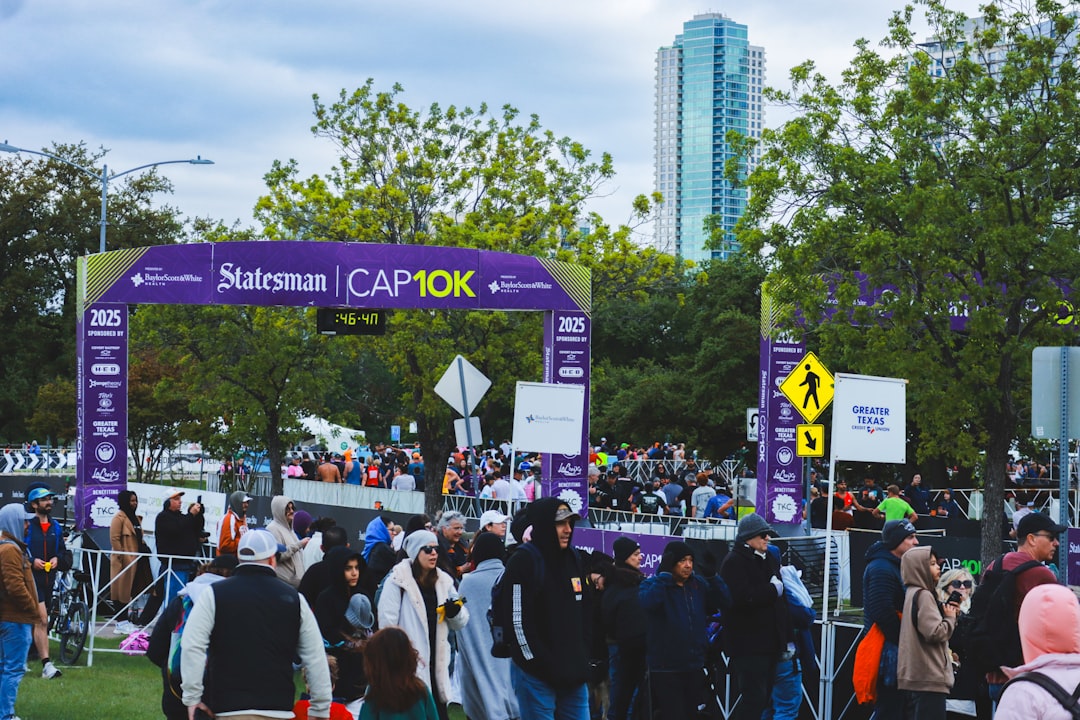
So, you’ve got an event bubbling up and you’re thinking, “How can I actually get sponsors without it feeling like a full-time job or a sales pitch that makes everyone uncomfortable?” That’s a fair question! The good news is, it’s definitely doable, and it doesn’t have to be a headache. Think of it less as “begging for money” and more as “building mutually beneficial relationships.” Once you understand what sponsors are truly looking for, you can position your event in a way that naturally attracts them.
Let’s break it down into practical steps that make sense, so you can focus on making your event fantastic and securing the backing you need.
This is the absolute bedrock of successful sponsorship acquisition. Forget about just listing what your event offers; you need to get inside a sponsor’s head. What are their goals? Why would they even consider putting their brand in front of your audience?
Business Objectives
Sponsors aren’t doing this as a charity. They have specific business objectives they’re trying to meet, and your event is a potential vehicle.
Brand Awareness
This is probably the most common driver. They want more people to know their name, their products, or their services. Your event audience is a group of people they want to reach.
- Think about it: If your event attracts a demographic they’re targeting (e.g., young professionals, tech enthusiasts, families, local residents), that’s gold.
Lead Generation
For many businesses, especially those with a direct sales component, sponsoring an event is about getting actual potential customers.
- Consider this: If your event attendees are likely to be interested in what a sponsor offers, they can see it as an opportunity to gather contact information, build their database, and follow up.
Product/Service Launch
Is the sponsor launching something new? An event can be the perfect stage for that.
- Key takeaway: They might want to showcase a new product, get early feedback, or drive initial sales to a fresh offering.
Community Engagement & Corporate Social Responsibility (CSR)
Many companies have a desire to be seen as good corporate citizens, supporting local communities or causes they believe in.
- Your angle: If your event aligns with a sponsor’s CSR pillars (e.g., environmental sustainability, education, health), it’s a powerful selling point.
Audience Alignment
This is paramount. A sponsor will only care about your event if your audience aligns with their target market. This is not about having a lot of people; it’s about having the right people.
Demographic Match
Are your attendees the age, gender, income bracket, and lifestyle that a sponsor is trying to reach?
- Be specific: Don’t just say “young people.” Say “18-30 year olds in urban areas, interested in music festivals and sustainable living.”
Psychographic Alignment
What are your attendees’ interests, values, and behaviors? Do these resonate with the sponsor’s brand personality?
- Example: If a sponsor positions itself as innovative and forward-thinking, an event focused on emerging technology will be a better fit than one focused on traditional crafts.
Enthusiasm and Engagement
Are your attendees passionate and actively involved in your event? This translates to a more receptive audience for sponsors.
- Prove it: If you have data showing high engagement levels (e.g., social media sharing, repeat attendees), highlight it.
Crafting a Compelling Sponsorship Proposal
This is where you translate your understanding of sponsor needs into a tangible offer. A good proposal is clear, concise, and directly addresses the potential sponsor’s goals.
Keep it Professional, But Personal
While it needs to look polished, avoid generic templates. Show you’ve done your homework and understand their specific business.
Research is Key
Before you even think about writing, research the potential sponsor thoroughly. What are their recent campaigns? Who are their competitors? What values do they project?
- Actionable tip: Look at their website, social media, annual reports, and press releases.
Tailor Every Proposal
Never send out the same proposal to everyone. Customize it to highlight precisely how your event benefits that specific company.
- Practical step: Use their company name, mention specific campaign ideas, and connect your audience to their known customer base.
Highlight the Value, Not Just Features
Don’t just list what you’re offering; explain the benefit of that offer to the sponsor.
Beyond Logo Placement
While logos are a standard part, think about what else you can offer.
- Think creatively: Exclusive access to attendees, speaking opportunities, product demonstration zones, co-branded content, social media takeovers.
Quantify Wherever Possible
Numbers speak louder than words. If you can put data behind your claims, do it.
- Examples: “Our last event had an average attendee age of 28, with 75% identifying as homeowners,” or “Our social media campaign for the previous event reached over 100,000 unique users.”
Structure Your Proposal Clearly
Make it easy for the busy decision-maker to find the information they need.
Executive Summary
A brief, compelling overview of your event and the sponsorship opportunity, designed to capture attention immediately.
About Your Event
Paint a picture of your event: its mission, target audience, history, and unique selling points.
Sponsorship Levels and Benefits
Clearly outline different sponsorship packages, detailing the inclusions and the specific ROI for each.
Case Studies or Testimonials
If you’ve had sponsors before, include success stories or quotes from them.
Call to Action
Clearly state what you want them to do next – schedule a meeting, discuss options, etc.
Identifying and Approaching Potential Sponsors
Not all companies are created equal when it comes to sponsorship. You need to be strategic about who you approach.
Start Local and Relevant
Often, the easiest sponsors to secure are those with a direct connection to your event’s location or theme.
Local Businesses
Think about businesses in your immediate vicinity that cater to your target audience.
- Examples: Restaurants, retailers, service providers, community organizations.
Industry-Specific Companies
If your event is about a particular niche (e.g., coding, gardening, craft beer), companies in that industry are prime candidates.
- Focus: They have a vested interest in reaching people passionate about their field.
Look for Alignment First
Before you even pick up the phone, check if they’re a good fit.
Sponsorship History
Do they sponsor other events, especially similar ones? This indicates they see value in sponsorship.
- How to check: Look at their website, social media, or search for news articles about their partnerships.
Brand Values
Do their brand values and messaging align with your event’s ethos?
- Crucial check: Sponsoring an event that clashes with their brand image can do more harm than good.
The Initial Approach
Once you’ve identified potential sponsors, how do you make that first contact without being annoying?
The Warm Introduction
If at all possible, try to get a warm introduction through a mutual connection. This dramatically increases your chances of getting a response.
- Networking power: Leverage your existing network – friends, colleagues, past attendees.
The Cold Email/Call
If a warm intro isn’t possible, a well-crafted cold outreach is your next best bet.
- Keep it brief: Your initial email should be short, to the point, and highlight the core value proposition.
- Personalize heavily: “Dear [Contact Name]” is far better than “To Whom It May Concern.”
- Focus on them: Start by mentioning something specific about their company or a recent initiative you admired.
Building the Sponsorship Package
This is where you create tangible offerings that sponsors will buy. It’s about presenting clear value in exchange for their investment.
Tiered Sponsorship Levels
Most successful sponsorship programs have different levels, catering to various budgets and marketing objectives.
Naming Rights (The Big One)
Having a sponsor’s name attached to the event itself (e.g., “The [Sponsor Name] Music Festival”). This commands the highest investment.
- Key benefit: Maximum exposure and brand association.
Platinum/Gold/Silver Tiers
These are common tiers that offer a decreasing set of benefits.
- Think about it: Platinum might include prominent signage, a speaking slot, exhibition space, and extensive digital promotion. Gold might offer slightly less prominent signage, a smaller booth, and digital promotion. Silver gets the basics.
Specific Area Sponsorship
You can also sell sponsorship for specific parts of your event.
- Examples: Sponsoring the main stage, a workshop area, the food court, the networking lounge, or even the Wi-Fi.
In-Kind Sponsorship
Don’t underestimate the value of non-cash sponsorships.
- What it means: A sponsor provides goods or services instead of cash.
- Examples: Providing event decorations, printing services, catering, technical equipment, or staff volunteers. This can significantly reduce your event’s expenses.
What to Include in Each Tier
Be specific about what each sponsorship level entails.
Brand Visibility
This is what most people think of first.
- Signage: Banners, flags, directional signs, stage backdrops. Where will their logo be seen?
- Digital: Logo on website, social media shout-outs, email blasts, event app.
- Print: Logos on programs, tickets, flyers.
Engagement Opportunities
Allowing sponsors to actively interact with attendees.
- Exhibition Booth/Stand: Space for them to showcase products, hand out samples, or collect leads.
- Speaking Opportunities: A slot in a program to present or give a talk related to their expertise.
- Product Demos/Sampling: Allowing attendees to directly experience what they offer.
- Branded Activities/Contests: Fun, interactive ways for attendees to engage with their brand.
Access and Exclusivity
Offering privileges that differentiate higher tiers.
- VIP Area Access: Invites to exclusive lounges or parties.
- Networking Events: Dedicated time for sponsors to connect with key attendees or organizers.
- Audience Data (with permission): Carefully considered and anonymized insights into attendee demographics or survey results. (Always prioritize data privacy.)
Media and PR Benefits
Leveraging the event’s promotional efforts.
- Inclusion in press releases: When mentioning sponsors in official communications.
- Social media promotion: Dedicated posts or mentions highlighting their sponsorship.
- Website listing: Prominent placement on your event website.
Delivering on Your Promises and Nurturing Relationships
Securing a sponsorship is just the beginning. The real magic happens in how you execute and how you treat your sponsors afterward.
Post-Event Follow-Up is Crucial
Don’t go silent after the event is over. Your follow-up is key to repeat business and positive word-of-mouth.
The Post-Event Report
This is your chance to prove the value of their investment.
- What to include: Attendance numbers, demographic data, social media reach and engagement from the event, photos of their branding in action, media mentions, and any other metrics that demonstrate ROI.
- Tailor it: Make this report specific to the sponsor and the benefits they received.
Thank You and Feedback
Send a personalized thank you and ask for their honest feedback.
- What to ask: What worked well? What could be improved? What were their overall impressions?
Discuss Future Opportunities
Use the insights from the report and feedback to discuss potential collaborations for future events.
- Be prepared: If they had a great experience, they’ll likely be open to continuing the partnership.
Maintaining a Strong Relationship
Think of sponsors not as one-off transactions, but as partners.
Keep Them Informed
Even outside of event cycles, keep them in the loop about your organization and any developments.
- Share exciting news: Major milestones, growth, or new initiatives.
Be Responsive and Accessible
Make it easy for them to contact you and respond promptly.
- Build trust: Reliability is a cornerstone of strong business relationships.
Ongoing Engagement
Look for small ways to keep the connection alive throughout the year.
- Examples: Inviting them to other relevant events, offering a small discount for future sponsorships, or simply sharing industry news that might be of interest.
Getting sponsorship might seem daunting, but by focusing on understanding what partners need, creating clear value, and building genuine relationships, you can make the process much smoother and more rewarding for everyone involved. Good luck!