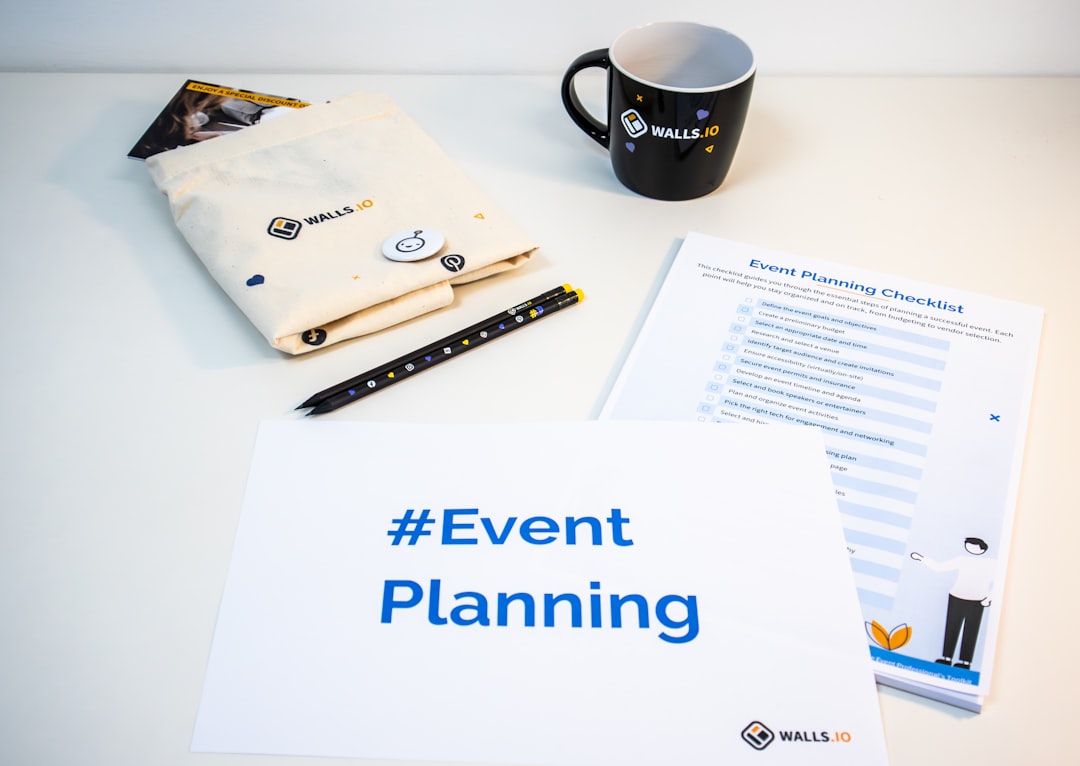
Event planning for nonprofit organizations presents a unique set of challenges. Unlike for-profit entities where the primary goal is financial return, nonprofits are driven by mission and impact. This mission-driven focus, while noble, can sometimes complicate the logistical intricacies of organizing successful events. From fundraising galas and awareness campaigns to volunteer appreciation days and community workshops, each event requires meticulous planning, execution, and follow-through. Traditionally, this has often involved a complex web of spreadsheets, manual data entry, paper-based processes, and significant staff or volunteer hours. This approach, while functional, is akin to navigating a dense forest with a hand-drawn map; it can get you there, but it’s inefficient, prone to errors, and significantly increases the effort required.
The advent of specialized nonprofit event planning software offers a powerful solution to these challenges. These platforms are designed to centralize information, automate repetitive tasks, and provide valuable insights, thereby transforming the event planning process from a potentially chaotic endeavor into a more streamlined and effective operation. Think of event planning software not as a magic wand, but as a sophisticated set of tools and a robust blueprint that allows you to build a well-organized and successful event more efficiently. This article explores how nonprofit organizations can leverage such software to enhance their event planning capabilities.
One of the most significant benefits of nonprofit event planning software is its ability to act as a central hub for all event-related information. Without a unified system, data can become fragmented, scattered across different departments, email inboxes, and physical files. This fragmentation can lead to redundancies, missed details, and a general lack of clarity, much like trying to assemble a puzzle with pieces spread across multiple rooms.
Contact Management and Communication
Effective event planning hinges on robust communication with a multitude of stakeholders, including attendees, donors, volunteers, sponsors, vendors, and staff. Event planning software typically incorporates advanced contact management features.
Maintaining Attendee Databases
Instead of relying on disparate spreadsheets or Rolodexes, these platforms allow for the creation and maintenance of comprehensive attendee databases. This includes contact details, past attendance history, donation records, and any specific dietary restrictions or accessibility needs. Imagine a librarian meticulously cataloging every book; similarly, this software organizes your “event audience” for easy access and targeted communication.
Streamlining Communication Channels
Direct communication with different stakeholder groups is crucial. Software platforms can facilitate personalized email campaigns, SMS messaging, and even in-app notifications to keep everyone informed about event details, updates, and acknowledgments. This prevents the scenario where important updates are missed due to an overflowing inbox or a forgotten email thread.
Budget Management and Financial Tracking
Nonprofits operate under tight budgets, and every dollar counts. Event planning software offers sophisticated tools to manage income and expenditure effectively.
Real-time Budget Oversight
Organizations can input budgeted amounts for various categories (venue rental, catering, marketing, etc.) and track actual expenses against these figures in real-time. This provides an immediate overview of financial health, allowing for timely adjustments and preventing budget overruns. It’s like having a financial dashboard on your event’s dashboard, showing you the fuel levels and speed.
Revenue Tracking and Forecasting
The software can track income generated from ticket sales, sponsorships, donations, and other revenue streams. This data can be used to forecast future event revenue and assess the financial viability of different planning strategies. This foresight is invaluable for long-term financial planning and resource allocation.
Vendor and Sponsor Management
Events often involve numerous vendors fulfilling different roles, and securing sponsorships requires meticulous management of relationships and deliverables.
Centralized Vendor Information
All vendor contracts, contact details, payment schedules, and service agreements can be stored and accessed within the platform. This eliminates the need to dig through paper files or endless email chains to find crucial vendor information.
Sponsor Package Tracking
For sponsors, the software can track commitment levels, logo placements, acknowledgment protocols, and any promised benefits. This ensures that all sponsor agreements are fulfilled, fostering strong relationships for future support.
Automating Tedious Tasks: Freeing Up Valuable Resources
One of the most compelling advantages of event planning software is its capacity to automate time-consuming and repetitive tasks. This automation is not about replacing human effort but about redirecting it towards more strategic and impactful activities, such as donor cultivation or program development. Think of it as automating the mundane chores so you have more time to focus on the creative and interpersonal aspects of your mission.
Registration and Ticketing
Manual processing of registrations and ticket sales can be an enormous drain on resources. Event planning software typically offers integrated registration and ticketing systems.
Online Registration Forms
Customizable online forms can be created to collect attendee information, process payments, and manage different ticket tiers. This eliminates the need for manual data entry from paper forms or even basic online forms that require significant backend processing.
Automated Confirmation and Reminders
Upon successful registration, attendees automatically receive confirmation emails, and the system can be configured to send automated reminders as the event date approaches. This reduces the administrative burden of communication and ensures attendees are kept informed.
Volunteer Coordination
Nonprofit events often rely heavily on the support of volunteers. Managing their schedules, roles, and communication can be complex.
Volunteer Sign-ups and Scheduling
Platforms can allow volunteers to sign up for specific roles and shifts online. This simplifies the process of matching volunteer availability with event needs and creating an organized schedule, removing the guesswork and manual coordination.
Automated Volunteer Communication
Automated emails or notifications can be sent to volunteers regarding their assigned shifts, responsibilities, and any pre-event training or briefing sessions. This ensures volunteers are well-informed and prepared.
Email Marketing and Campaign Management
Engaging with your audience before, during, and after an event is critical for success. Software often includes integrated email marketing tools.
Targeted Email Campaigns
Based on attendee data and segmentation, organizations can send personalized email campaigns for invitations, promotions, event updates, and thank-you messages. This elevates your communication from a general broadcast to a tailored conversation.
Performance Tracking of Campaigns
These tools often provide analytics on email open rates, click-through rates, and conversion rates, allowing you to assess the effectiveness of your marketing efforts and refine future strategies. This data-driven approach is like having a compass that tells you which direction your message is heading and how well it’s being received.
Enhancing Attendee Experience: Building Loyalty and Engagement
The attendee experience is paramount for any event, especially for nonprofits where positive interactions can foster lasting relationships and encourage continued support. Event planning software plays a crucial role in ensuring a smooth and engaging experience for all participants, from initial engagement to post-event follow-up.
Mobile Event Apps
Many modern event planning platforms offer integrated mobile applications that serve as a central resource for attendees.
Event Information Hub
Attendees can access schedules, speaker biographies, venue maps, exhibitor details, and other essential information directly from their smartphones. This makes it easy for them to navigate the event and stay informed without needing physical programs.
Networking Opportunities
Some apps facilitate attendee networking by allowing participants to connect with each other, schedule meetings, and engage in discussions. This can foster a sense of community and encourage valuable connections among attendees.
Real-time Updates and Notifications
Any last-minute changes to the schedule, announcements, or important alerts can be instantly pushed to attendees via the mobile app, ensuring everyone is up-to-date.
Personalized Engagement
Leveraging the data collected within the software allows for a more personalized attendee experience.
Customized Communication
As mentioned earlier, personalized emails and messages tailored to individual interests or past interactions can make attendees feel valued and understood.
Targeted Content Delivery
During the event, content can be customized. For example, attendees interested in a specific topic might receive tailored notifications about related sessions or resources.
Seamless Check-in and On-site Management
The initial moments of an event set its tone. Software can streamline this process considerably.
Efficient Check-in Systems
QR code scanning or badge printing integrated with the registration system can significantly expedite the check-in process, reducing queues and improving the first impression of the event.
On-site Support Tools
Staff and volunteers can use mobile versions of the software to quickly access attendee information, manage on-site registrations, or address attendee inquiries, ensuring a responsive and helpful presence.
Data Analysis and Reporting: Informing Future Success
The information gathered throughout the event planning and execution process is a treasure trove of insights. Event planning software excels at consolidating this data and presenting it in actionable reports, allowing nonprofits to learn from past events and make more informed decisions for the future. This is akin to a hiker reviewing their expedition log to plan their next, more successful trek.
Post-Event Evaluation
After the event concludes, a thorough evaluation is necessary to understand what worked well and what could be improved.
Attendance and Engagement Metrics
The software can generate reports on overall attendance, session attendance, attendee demographics, and engagement levels (e.g., app usage, networking activity). This provides a clear picture of who participated and how they interacted.
Financial Performance Reports
Comprehensive reports detailing revenue sources, expenses, and profitability can be generated, allowing for a full financial post-mortem of the event.
ROI and Impact Assessment
Beyond simple attendance numbers, nonprofits need to understand the return on investment and the overall impact of their events.
Fundraising Yield Analysis
For fundraising events, the software can help analyze the effectiveness of different appeals, donation methods, and sponsorship levels in generating revenue.
Mission Impact Metrics
While harder to quantify, some software can help track connections made, awareness raised (through social media mentions or survey responses), or volunteer engagement, which contribute to the organization’s mission.
Identifying Trends and Patterns
By accumulating data from multiple events over time, nonprofits can identify recurring trends and patterns.
Understanding Audience Preferences
Analysis of past attendance and engagement can reveal preferences for event formats, topics, or timings, guiding future event planning.
Optimizing Resource Allocation
Understanding which event components were most cost-effective or generated the highest returns can inform future budget allocations and vendor choices.
Scalability and Integration: Growing with Your Needs
As a nonprofit organization grows and its event portfolio expands, the chosen event planning software must be able to scale accordingly and integrate with other existing systems. Think of this as choosing building materials that can support additional floors as your organization expands.
Handling Increased Event Volume
Organizations may start with a few events per year but grow to host dozens. The software should be robust enough to manage a higher volume of events concurrently without performance degradation.
Multi-Event Management Capabilities
The platform should allow for simultaneous management of multiple events, with clear separation of data and resources for each. This prevents a tangled mess of overlapping information.
Integration with Other Nonprofit Software
Many nonprofits use a suite of software solutions for donor management (CRMs), accounting, marketing automation, and more. Seamless integration with these existing systems is crucial.
CRM Integration
Connecting event management software with a donor relationship management system allows for a unified view of constituents, ensuring that event participation data is accurately reflected in donor profiles. This breaks down silos and creates a comprehensive understanding of each individual’s relationship with the organization.
Accounting Software Integration
Automating the transfer of financial data from event planning software to accounting systems reduces manual data entry, minimizes errors, and ensures accurate financial reporting.
Customization and Flexibility
While off-the-shelf solutions offer benefits, the ability to customize the software to meet specific organizational needs is often essential.
Workflow Customization
The ability to adapt workflows and forms to match existing organizational processes can significantly improve user adoption and efficiency.
Report Customization
Beyond standard reports, organizations may require custom reports tailored to their unique metrics and reporting requirements. This allows the software to speak the organization’s specific language of success.
The strategic implementation of nonprofit event planning software transforms a potentially overwhelming undertaking into a manageable and impactful process. By centralizing information, automating tedious tasks, enhancing attendee experience, leveraging data for future planning, and ensuring scalability and integration, these platforms empower nonprofit organizations to dedicate more of their valuable resources to their core mission. The transition from manual processes to a sophisticated software solution is not merely about modernization; it is about increasing efficiency, maximizing impact, and ultimately, better serving the communities that nonprofit organizations strive to support.
FAQs
What is non profit event planning software?
Non profit event planning software is a digital tool designed to help organizations plan, manage, and execute events efficiently. It typically includes features such as registration management, ticketing, volunteer coordination, fundraising integration, and communication tools tailored to the needs of non profit organizations.
How does non profit event planning software benefit organizations?
This software streamlines event logistics, reduces manual work, improves attendee engagement, and enhances fundraising efforts. It allows non profits to track donations, manage volunteers, and communicate with participants effectively, ultimately saving time and resources.
Are there specific features to look for in non profit event planning software?
Yes, important features include online registration and ticketing, donor and volunteer management, customizable event pages, fundraising tools, reporting and analytics, and integration with other platforms like CRM systems and email marketing tools.
Is non profit event planning software typically affordable for small organizations?
Many providers offer tiered pricing or discounts specifically for non profits, making the software accessible to organizations of various sizes. Some platforms also provide free versions with basic features suitable for small events or organizations with limited budgets.
Can non profit event planning software integrate with other tools?
Most modern non profit event planning software supports integration with popular tools such as CRM systems, email marketing platforms, payment gateways, and social media. This helps organizations maintain seamless workflows and better manage their data across different systems.